

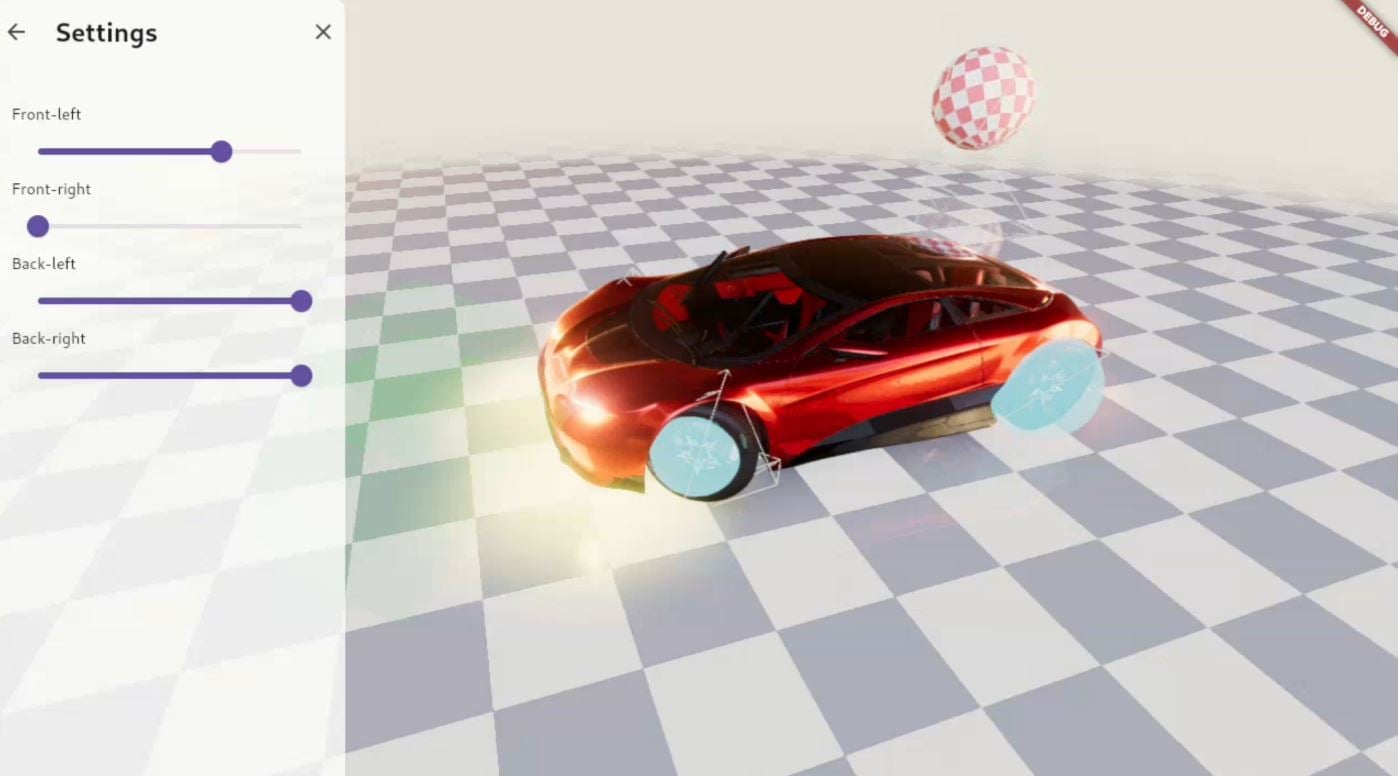
Toyota Connected North America has announced Fluorite, an open-source, console-grade game engine built using Google‘s Flutter UI framework and the Dart programming language, designed to deliver high-performance graphics and interactive experiences even on lower-end or embedded hardware like in-vehicle systems; it includes a high-performance C++ Entity Component System core, console-level 3D rendering via Google’s Filament engine, model-defined trigger touch zones, and support for Flutter’s Hot Reload, with Toyota positioning Fluorite as a lighter, licensing-friendly alternative to proprietary engines such as Unity and Unreal while potentially extending beyond automotive dashboards into broader development use. turn0view0
Sources
https://automaton-media.com/en/news/toyota-announces-open-source-console-grade-proprietary-game-engine/
https://www.phoronix.com/news/Fluorite-Toyota-Game-Engine
https://www.opensourceforu.com/2026/02/toyota-builds-open-source-fluorite-engine-to-power-console-grade-car-cockpits/
Key Takeaways
• Toyota is developing an open-source game engine, Fluorite, aimed at console-grade graphics and interactive UI features that run well on embedded hardware. turn0search1 turn0search7
• The engine is built around Google’s Flutter UI toolkit, the Dart programming language, and uses Filament for 3D rendering, supporting modern graphics APIs and higher-level tooling for developers. turn0search0 turn0search1
• Toyota’s motivation includes avoiding the weight, complexity, and licensing costs associated with popular proprietary engines and providing a platform that could see use beyond automotive dashboards. turn0view0 turn0search7
In-Depth
In a move that reflects broader tech diversification by major automotive companies, Toyota Connected North America has introduced Fluorite, a console-grade open-source game engine engineered to deliver robust graphical performance across a range of devices, with an early focus on automotive dashboards and in-vehicle digital cockpits. This announcement marks an intriguing departure from Toyota’s traditional engineering domains by centering on a software stack that leans on open technologies like Flutter, Dart, and Google’s Filament 3D renderer to deliver hardware-accelerated graphics and interactive UI capabilities even on embedded systems that typically can’t support heavier proprietary engines.
Fluorite’s architecture—rooted in a high-performance C++ Entity Component System core—enables developers to write both game logic and interface components in Dart, while benefiting from Flutter’s rich UI toolkit and Hot Reload capabilities that accelerate iterative development. The integration with Filament and modern graphics APIs means the engine can handle console-level rendering, including physically based lighting, custom shaders, post-processing effects, and multiple concurrent 3D scene views, without the prohibitive resource demands or licensing fees typical of engines like Unity and Unreal.
Beyond its initial automotive audience, Toyota’s vision for Fluorite suggests the engine could find traction in wider software development circles. By releasing it as open source, Toyota is signaling a willingness to collaborate with the open-source community to evolve Fluorite into something that’s not just powerful and versatile but also accessible to developers of all stripes. This approach aligns with broader industry trends toward more open and flexible software ecosystems, especially as vehicles increasingly resemble moving computers with rich interactive interfaces. Overall, Fluorite could reshape how embedded graphics and interactive systems are built, lowering barriers to entry and potentially challenging established proprietary alternatives in both automotive and general-purpose development spaces.