

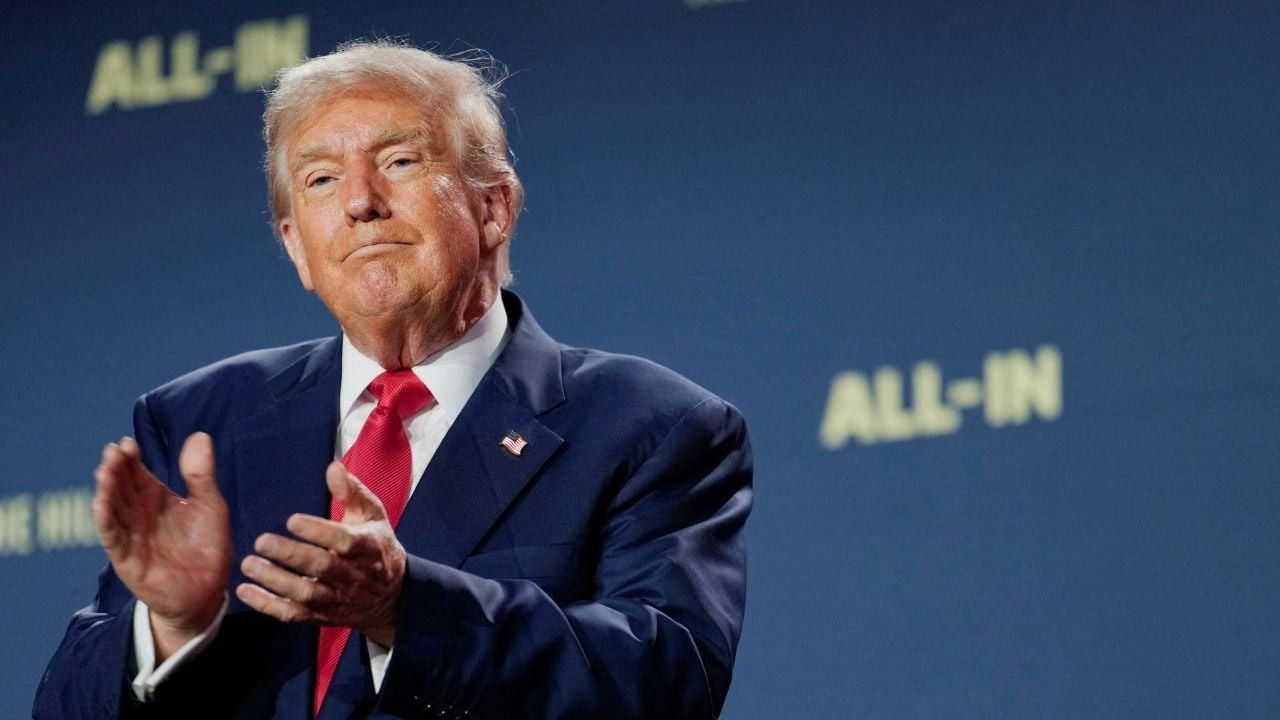
President Donald Trump has signed a sweeping executive order aimed at dismantling cybercrime networks and predatory online schemes that have increasingly targeted American citizens, businesses, and critical infrastructure. The directive orders federal agencies to coordinate a comprehensive strategy against transnational criminal organizations responsible for ransomware attacks, phishing campaigns, sextortion, financial fraud, and impersonation scams—crimes that have collectively cost Americans billions of dollars annually. The order mandates a government-wide review of operational, diplomatic, and regulatory tools used to fight cyber-enabled crime, along with the creation of a detailed action plan to identify and disrupt international scam networks. It also prioritizes prosecutions for cyber-enabled fraud and directs federal officials to pressure foreign governments that tolerate criminal operations through sanctions, visa restrictions, or limits on foreign aid. With reported losses from online scams surpassing $12.5 billion in a single year and millions of Americans affected by digital fraud, the initiative frames cybercrime not just as a financial issue but as a national security threat requiring aggressive enforcement and international pressure.
Sources
https://www.theepochtimes.com/us/trump-signs-executive-order-to-combat-cybercrime-predatory-schemes-5995488
https://www.whitehouse.gov/fact-sheets/2026/03/fact-sheet-president-donald-j-trump-combats-cybercrime-fraud-and-predatory-schemes-against-american-citizens/
https://www.govinfosecurity.com/trump-pledges-action-on-cybercrime-cyberspace-threats-a-30942
https://www.quiverquant.com/news/Trump%2BSigns%2BExecutive%2BOrder%2BTargeting%2BCybercrime%2C%2BFraud%2C%2Band%2BTransnational%2BScam%2BNetworks
Key Takeaways
- The executive order directs federal agencies to aggressively pursue transnational cybercrime networks responsible for ransomware, phishing, sextortion, and other digital fraud schemes targeting Americans.
- The policy calls for sanctions, visa restrictions, and diplomatic pressure against foreign governments that allow criminal cyber operations to flourish within their borders.
- Federal authorities are instructed to prioritize prosecutions of cyber-enabled fraud while exploring a victims restoration program that could return seized funds from criminals to those harmed by scams.
In-Depth
The rapid growth of cybercrime has become one of the most damaging and pervasive threats facing American households and businesses, and the newly signed executive order represents an effort to bring a tougher, more coordinated federal response to the problem. The directive centers on the recognition that many of today’s scams are not isolated crimes committed by lone hackers but large-scale operations run by sophisticated international criminal networks. These organizations often operate from overseas scam compounds and rely on elaborate social engineering tactics to trick victims into transferring money, revealing personal information, or granting access to financial accounts.
Federal officials argue that these schemes have evolved into a sprawling global industry. Criminal groups now use everything from ransomware attacks and phishing campaigns to impersonation fraud and sextortion schemes to prey on vulnerable targets. In some cases, victims lose life savings after being manipulated through long-running romance scams or investment fraud schemes. The scale of the losses is staggering. Reports show Americans lost more than $12 billion to cyber-enabled fraud in a single year, with seniors among the most heavily targeted groups.
The executive order attempts to confront this threat by organizing a more forceful national strategy. Agencies including the Department of Justice, Department of Homeland Security, Department of State, and Treasury Department are tasked with identifying the criminal organizations behind scam operations and building a coordinated plan to disrupt them. The government will also expand cooperation with private-sector cybersecurity firms and intelligence partners to better track malicious actors and the digital infrastructure they use.
Another significant element of the order is its emphasis on international pressure. Many of the largest scam networks operate in countries where law enforcement cooperation is weak or where authorities have historically turned a blind eye. The directive instructs American diplomats to push those governments to take action, warning that sanctions, visa restrictions, or reductions in foreign aid could be used if they fail to address criminal activity occurring within their borders.
Supporters of the initiative say the tougher approach reflects the reality that cybercrime now intersects with national security, organized crime, and even human trafficking. Investigations into scam centers in parts of Southeast Asia have revealed that some operations rely on forced labor, with workers compelled to run online scams under threat of violence.
While the executive order lays out an aggressive vision, its ultimate impact will depend on how effectively federal agencies execute the strategy. Coordinating law enforcement, intelligence gathering, and international diplomacy against criminal groups that operate across multiple jurisdictions is inherently complex. Even so, advocates for stronger cyber enforcement argue that a coordinated federal effort—combined with diplomatic leverage and private-sector collaboration—could finally begin to disrupt the criminal ecosystems responsible for draining billions of dollars from American victims every year.