

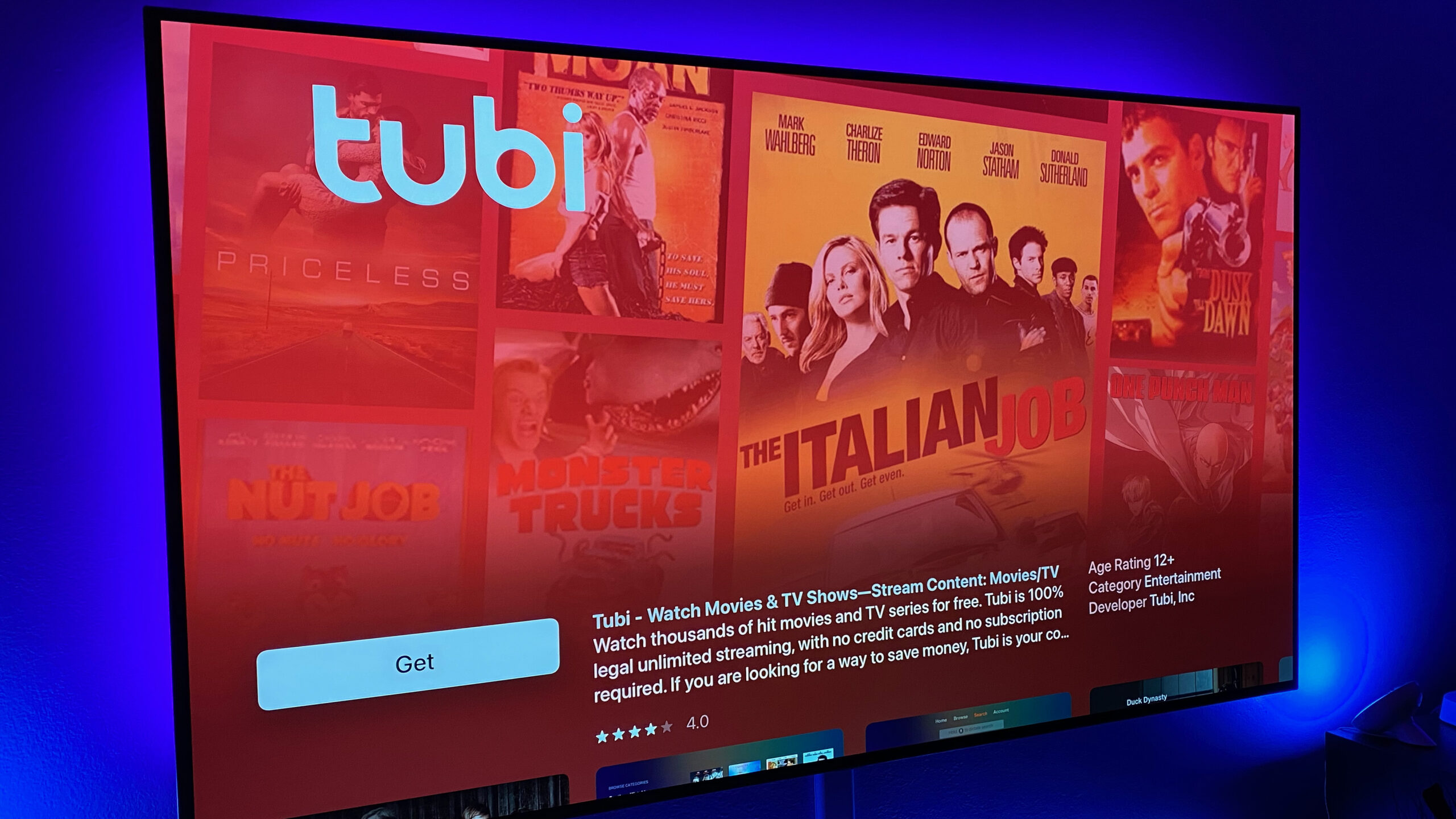
Tubi is doubling down on its push into original programming by teaming up with a roster of popular TikTok creators to produce exclusive streaming content, signaling a broader shift in how digital media platforms are courting younger audiences and monetizing creator-driven ecosystems. The move reflects a calculated effort to blend short-form viral talent with long-form streaming formats, leveraging TikTok influencers’ built-in audiences to drive viewership while bypassing traditional Hollywood gatekeeping structures. As competition intensifies across the streaming landscape, Tubi’s strategy highlights a growing recognition that creator-first content models may offer a cost-effective, scalable alternative to legacy production pipelines, while also raising questions about quality control, audience retention, and the long-term viability of influencer-led entertainment.
Sources
https://techcrunch.com/2026/03/19/tubi-joins-forces-with-popular-tiktokers-to-create-original-streaming-content/
https://www.theverge.com/2026/3/19/streaming-platforms-tiktok-creators-long-form-content-strategy
https://www.hollywoodreporter.com/business/digital/tubi-tiktok-creators-streaming-strategy-2026-1235859012/
Key Takeaways
- Streaming platforms are increasingly relying on social media influencers to attract younger demographics and reduce production costs.
- Tubi’s strategy reflects a broader industry pivot away from traditional studio-driven content toward creator-led programming models.
- The success of this approach hinges on whether short-form creators can effectively transition into long-form storytelling formats.
In-Depth
Tubi’s latest move to partner with TikTok creators underscores a significant evolution in the entertainment industry, one that continues to chip away at the dominance of traditional Hollywood production systems. Rather than relying solely on expensive, top-down studio projects, platforms like Tubi are recognizing the raw audience power that independent creators bring to the table. These influencers already command millions of followers, meaning the platform can effectively “import” an audience rather than build one from scratch.
From a business standpoint, the appeal is obvious. Creator-led content is typically far less expensive to produce than conventional television or film, and it carries a built-in marketing engine through the creators’ own social channels. This is a pragmatic, market-driven decision that aligns with a more decentralized media environment—one where audience loyalty often lies with individuals rather than institutions.
At the same time, this strategy is not without risk. Transitioning from short, fast-paced TikTok videos to sustained, long-form storytelling is not a guaranteed success. Many creators excel in bite-sized formats but struggle to maintain narrative depth over longer runtimes. That raises legitimate concerns about whether these projects can retain viewer engagement beyond initial curiosity.
Still, Tubi’s approach reflects a broader ideological shift in media—one that prioritizes direct audience connection, entrepreneurial content creation, and a break from legacy gatekeepers. Whether this becomes the dominant model or a passing experiment will depend on execution, but the direction is clear: the future of streaming may belong less to studios and more to individuals who already command the public’s attention.