

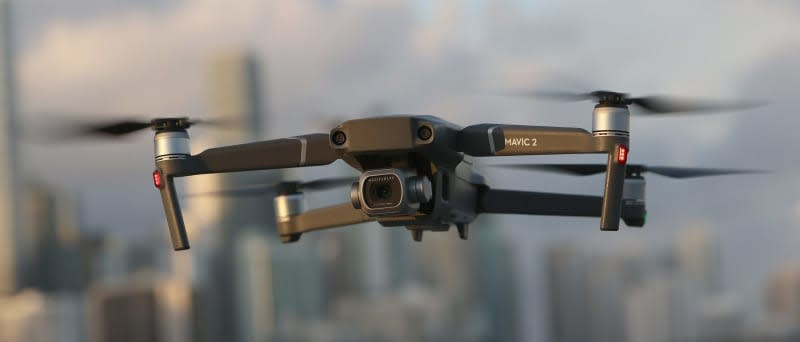
The Federal Communications Commission on Jan. 7, 2026 announced it will exempt certain foreign-made drones and their critical components from a sweeping import ban that it issued in December 2025 after a national security review deemed foreign-produced unmanned aircraft systems (UAS) and parts to pose “unacceptable risks” to the United States. Under the revised policy, specific drones and components that meet Pentagon-vetted security criteria — including those on the Pentagon’s Blue UAS Cleared List and products that qualify as “domestic end products” under Buy American standards — may be imported and sold in the U.S. through the end of 2026 despite the broader ban. While the exemptions provide relief to some operators and companies, leading foreign manufacturers such as China’s DJI remain effectively barred from bringing new models into the U.S. market, and industry groups warn of lingering operational and supply-chain challenges. The changes reflect a balancing act between national security imperatives and economic or commercial concerns about maintaining access to advanced drone technologies.
Sources:
https://www.theepochtimes.com/us/fcc-exempts-some-foreign-made-drones-from-us-import-ban-5967833
https://www.reuters.com/business/aerospace-defense/us-exempts-some-foreign-made-drones-trump-import-ban-new-models-2026-01-08/
https://avweb.com/aviation-news/fcc-rolls-back-foreign-drone-ban/
Key Takeaways
• The FCC’s revision allows some foreign-made drone models and critical components to be imported into the U.S. through the end of 2026, under specific Pentagon-approved criteria.
• Major foreign drone manufacturers, particularly those tied to Chinese industry like DJI, remain blocked from new model imports, preserving the core intent of the December national security-driven ban.
• The exemptions aim to mitigate industry disruption and provide flexibility for U.S. commercial and agricultural users while keeping pressure on foreign reliance in UAS technology.
In-Depth
In a move that underscores the U.S. government’s dual priorities of national security and economic continuity, the Federal Communications Commission (FCC) updated its sweeping foreign drone import ban just weeks after its original implementation. The December 2025 policy, which placed all foreign-made unmanned aircraft systems (UAS) and their critical components on the FCC’s Covered List of restricted technology, was designed to cut off access to hardware deemed a threat to national security. However, that rigid approach immediately sparked concerns across commercial, agricultural, and public safety sectors, where advanced drones have become essential tools.
Recognizing those concerns, the FCC on January 7 issued a revised ruling that temporarily exempts certain foreign-made models and parts from the ban. These exemptions apply to drones and components that the Pentagon has evaluated and cleared — listed on the Blue UAS Cleared List — as well as products that qualify as “domestic end products” under Buy American procurement standards. The result is a targeted carve-out that allows these vetted systems to continue entering the U.S. market through the end of 2026.
This measured adjustment aims to balance national security imperatives with the practical needs of U.S. industries that have grown dependent on reliable drone platforms. Key national security advocates argue that limiting new model imports is vital to reduce potential vulnerabilities from foreign adversaries, particularly in communications or data collection technologies. At the same time, allowing vetted exemptions acknowledges that an outright ban could disrupt operations in sectors like agriculture, infrastructure inspection, and emergency response, where drone usage has become deeply integrated.
Despite the exemptions, major foreign manufacturers, especially those based in China such as DJI, remain unable to import new models that lack Pentagon clearance or meet domestic content thresholds. That keeps the overall policy aligned with its security goals while providing defined relief for select participants. Looking ahead, the temporary window for exemptions suggests that future adjustments to the policy could tighten or expand depending on how U.S. domestic drone manufacturing evolves and how foreign threats to U.S. systems are assessed by national security agencies. Meanwhile, industry stakeholders and lawmakers continue to debate the long-term implications of restricting access to global innovation in unmanned aircraft technologies.