

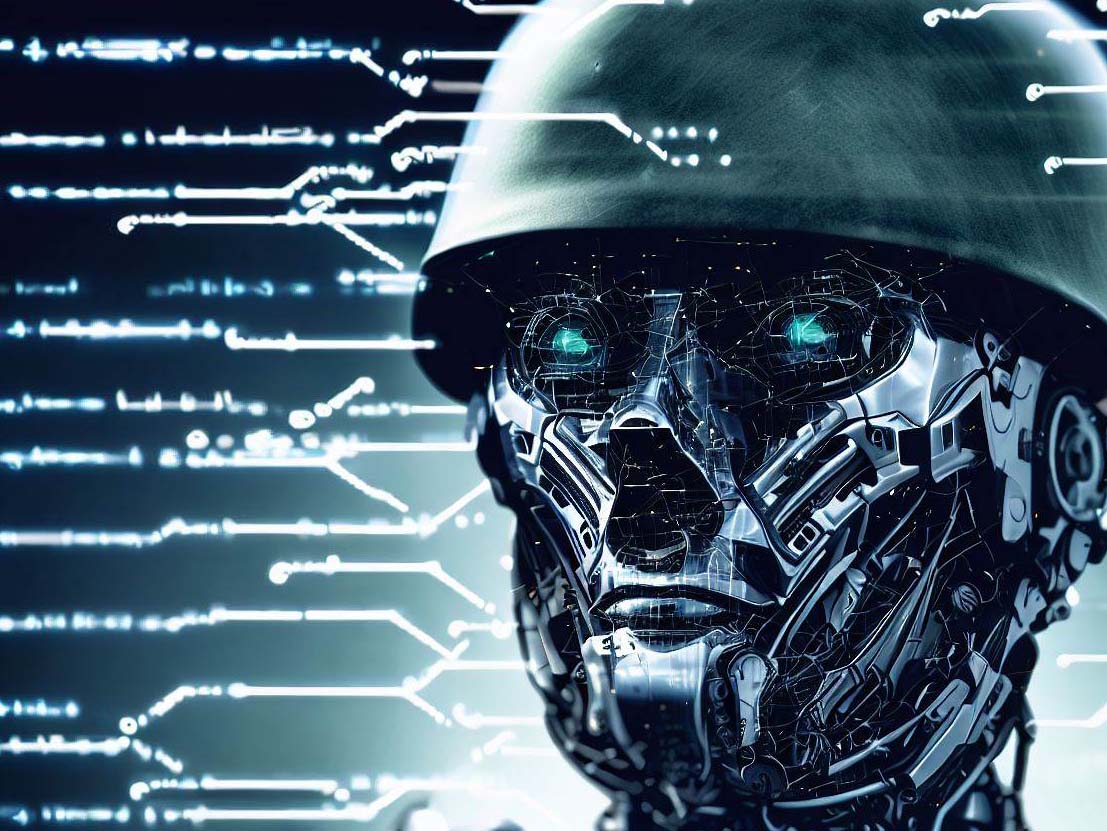
A surge of artificial intelligence–generated war footage circulating online during the escalating Iran conflict has forced the social media platform X to take new measures aimed at curbing misinformation, including penalizing users who post AI-generated battlefield videos without labeling them as synthetic content. The move comes after timelines across major platforms filled with fabricated clips purporting to show missile strikes, destroyed military assets, or dramatic combat scenes that never actually occurred. Some viral posts have accumulated tens of millions of views before being debunked, highlighting how rapidly modern AI tools can manufacture convincing images and videos that mislead the public during moments of geopolitical crisis. Analysts warn that the growing ease of producing deepfakes and manipulated media has transformed the information environment into a parallel battleground where propaganda, opportunistic content creators, and state-linked influence campaigns compete to shape public perception. The crackdown reflects increasing concern that viral synthetic footage—often posted for clicks, political messaging, or financial incentives tied to social media engagement—can distort the public’s understanding of fast-moving military events and potentially inflame tensions or spread panic.
Sources
https://www.timesofisrael.com/x-cracks-down-on-ai-generated-war-footage-as-iran-misinformation-runs-rampant
https://apnews.com/article/9e495017dc5c4bf24a0b6152863dbfb1
https://www.theguardian.com/technology/2026/mar/04/x-ban-users-earning-revenue-post-unlabelled-ai-generated-war-videos
https://www.wired.com/story/x-is-drowning-in-disinformation-following-us-and-israels-attack-on-iran
Key Takeaways
- Artificial intelligence tools are now capable of generating convincing fake battlefield footage, and such content has spread widely online during the Iran conflict, misleading millions of viewers before fact-checkers can intervene.
- Social media platforms are beginning to impose penalties for users who post AI-generated war footage without disclosure, recognizing that synthetic media can distort public perception during armed conflicts.
- State-linked propaganda networks, opportunistic accounts seeking viral engagement, and coordinated influence operations are all contributing to a growing ecosystem of digital misinformation surrounding the conflict.
In-Depth
The eruption of conflict involving Iran has exposed a rapidly intensifying challenge in the digital era: the ability of artificial intelligence to manufacture convincing war imagery that spreads across social media faster than traditional verification mechanisms can respond. As missile strikes, air raids, and geopolitical tensions dominate global headlines, the online information environment has become saturated with fabricated videos and images purporting to show dramatic battlefield developments. Many of these clips are not merely recycled footage from unrelated events—an older form of misinformation—but entirely synthetic scenes generated with modern AI tools capable of producing highly realistic visuals.
Social media timelines quickly filled with videos claiming to depict Iranian missile strikes, destroyed aircraft, or catastrophic explosions in major cities. Some of the most widely circulated clips gathered tens of millions of views before analysts and fact-checkers were able to identify telltale signs of manipulation. In several cases, subtle anomalies—such as distorted shadows, objects behaving unrealistically, or inconsistencies in motion—revealed that the footage had been artificially generated or heavily altered. But the sheer speed at which such content spreads has created a difficult challenge for both platforms and the public.
Faced with the flood of synthetic media, the platform X introduced a policy targeting accounts that post AI-generated footage of armed conflicts without clearly labeling it as artificial. Under the new approach, users who repeatedly share unlabeled AI war videos risk losing access to the platform’s creator revenue program, with escalating penalties for continued violations. The policy reflects the recognition that viral misinformation is often incentivized by the economic structure of social media itself, where sensational content can generate advertising revenue and engagement.
Beyond individual content creators, experts warn that state-linked propaganda campaigns are also exploiting artificial intelligence to shape narratives around the conflict. Fabricated videos portraying exaggerated battlefield successes or catastrophic losses for opponents have appeared online, sometimes amplified by coordinated networks of accounts. In modern conflicts, information warfare increasingly accompanies physical combat operations, with digital propaganda designed to influence domestic audiences, international observers, and political decision-makers.
The proliferation of AI-generated misinformation underscores a broader transformation in how wars are perceived by global audiences. In earlier conflicts, verifying imagery required technical expertise or access to specialized equipment. Today, powerful generative tools are widely accessible, enabling anyone with a computer to create highly realistic visual content. As a result, the line between authentic documentation and digital fabrication has grown increasingly difficult for ordinary viewers to distinguish.
This new reality raises significant questions about how societies will navigate the next phase of the information age. When synthetic media can mimic reality with increasing precision, the challenge is no longer simply identifying false claims—it is preserving trust in legitimate reporting and credible evidence. The Iran conflict has therefore become not only a military confrontation but also a demonstration of how artificial intelligence is reshaping the battlefield of information itself.