

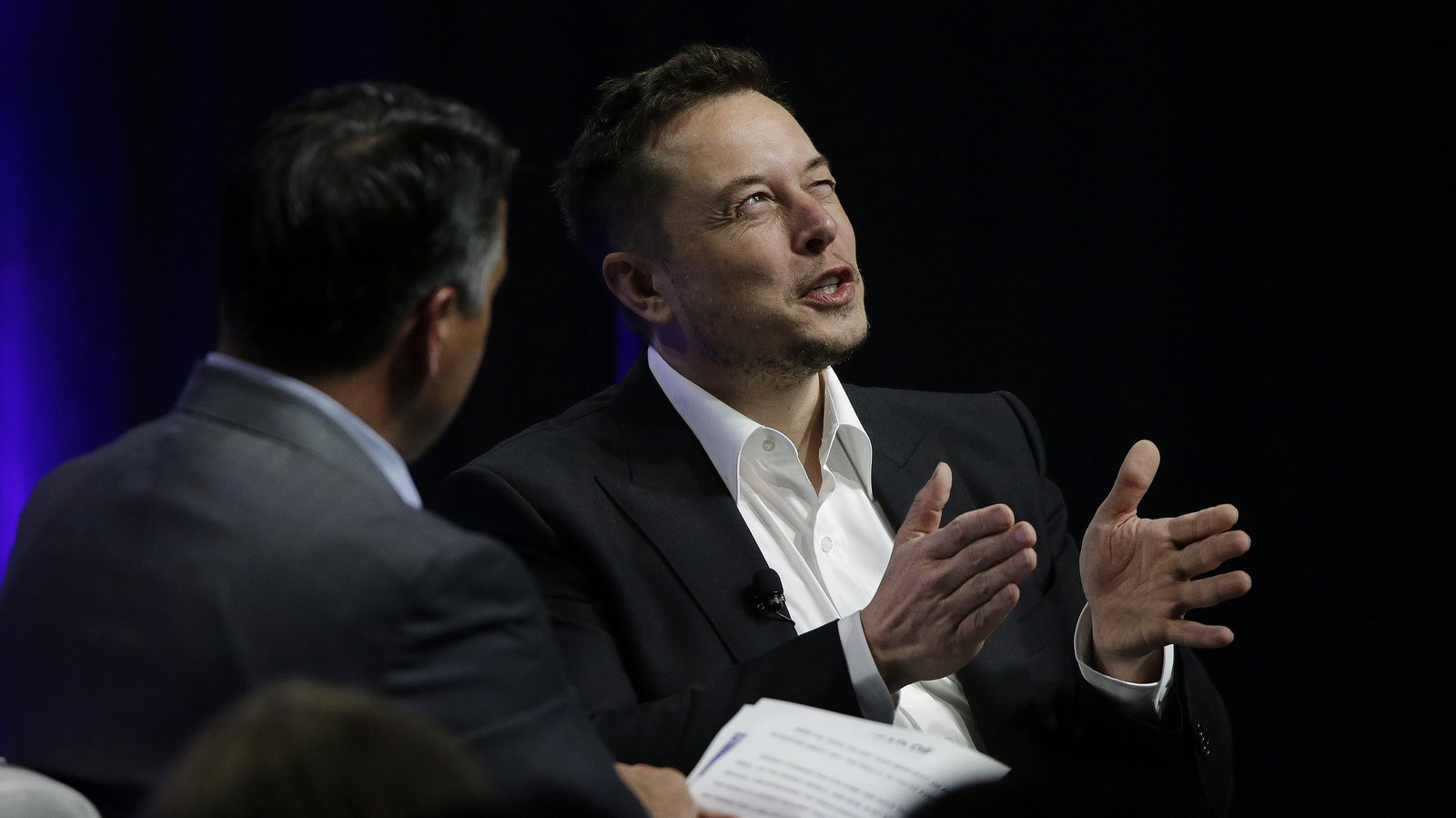
In a striking move toward transparency, Elon Musk‘s artificial intelligence company xAI publicly posted the full 45-minute internal all-hands meeting video on the X platform, revealing ambitious long-term plans that extend beyond Earth. During the session Musk outlined a sweeping strategic roadmap for xAI — now part of SpaceX — including a new organizational structure split into four core teams focused on the Grok chatbot, coding systems, image and video generation tools, and a project called Macrohard aimed at autonomous computer tasks. A significant portion of the founding team has departed amid restructuring, which Musk framed as necessary for growth. Executives touted impressive internal usage figures and revenue growth for X’s subscription business, while Musk highlighted future space-based computing infrastructure, moon-based factories producing AI satellites via a mass driver, and the potential for AI clusters harnessing solar energy at massive scale. The rare public disclosure of internal strategy underscores Musk’s vision of integrating AI with space exploration and data infrastructure.
Sources
https://techcrunch.com/2026/02/11/xai-lays-out-interplanetary-ambitions-in-public-all-hands/
https://longbridge.com/news/275673387
https://www.reuters.com/business/musk-says-xai-was-reorganized-2026-02-11/
Key Takeaways
• Elon Musk and xAI publicly released an all-hands meeting video detailing internal strategy, including interplanetary ambitions and organizational restructuring.
• The company is now structured around four main teams, with a heavy emphasis on integrating AI development with space-oriented infrastructure and long-term vision.
• A significant number of early team members have left, reflecting both rapid growth and strategic shifts as xAI aligns with SpaceX and prepares for future expansion.
In-Depth
Elon Musk’s artificial intelligence venture xAI made waves this week by making a full internal all-hands meeting publicly accessible on the X platform — an unusually transparent step for a private AI company. The 45-minute video, originally intended for employees, revealed not only product and organizational details but also Musk’s grand vision for artificial intelligence that intertwines deeply with space exploration and extraterrestrial infrastructure. Musk and other executives took the opportunity to break down how they envision xAI’s role in the broader tech ecosystem as they push against formidable competitors.
One of the core focuses of the presentation was the restructuring of xAI into four distinct teams: one devoted to the Grok chatbot and voice interface; another dedicated to coding systems; a third centered on Imagine, the company’s image and video generation technology; and a fourth team driving “Macrohard,” an ambitious initiative that aims to build AI capable of fully autonomous computing tasks. This organizational realignment comes amid notable departures from the founding team, with seasoned early contributors leaving as part of the reshuffle. Musk characterized these changes as part of the natural evolution of a fast-growing tech company, but the turnover nevertheless highlights the internal challenges of scaling such a cutting-edge AI operation while maintaining momentum and coherence.
Beyond internal structure, the video shared broader strategic goals that could radically shape where the company — and arguably the industry — is headed. Musk spoke at length about integrating AI more closely with space infrastructure, laying out interplanetary ambitions that defy the usual Silicon Valley focus on terrestrial services and cloud computing. He described the potential for moon-based facilities that could manufacture AI satellites and even proposed using lunar mass drivers — essentially electromagnetic launch systems — to send equipment into orbit. Such facilities could theoretically take advantage of abundant solar energy in space, powering massive AI compute clusters far beyond the capabilities of Earth-bound data centers. The implication is clear: Musk envisions a future where artificial intelligence and space exploration are inextricably linked, with AI serving as both a driver and beneficiary of humanity’s push beyond Earth.
These radical plans are both a reflection of Musk’s long-standing interest in space and a strategic bet on the value of integrating AI with extraterrestrial infrastructure. At a time when rival AI developers are fiercely competing in language models, multi-modal systems, and consumer-facing applications, xAI is positioning itself not just as another AI lab but as a visionary powerhouse that bridges artificial intelligence with physical infrastructure spanning Earth, orbit, and beyond. The public release of the meeting also sends a message of openness — perhaps intended to rally support from investors, developers, and the broader tech community as xAI aligns with SpaceX and gears up for future growth. While critics might question the feasibility or focus of these interplanetary ambitions, Musk’s track record suggests that ambitious, boundary-pushing goals are central to how he drives innovation.
Overall, the all-hands video served multiple purposes: internal coordination, public signaling, and strategic framing. It showcased a company in transition, grappling with rapid evolution while reaching for goals that stretch well beyond conventional notions of an AI startup. Whether all of these plans come to fruit remains to be seen, but the fact that xAI is openly articulating them in such detail marks a notable moment in how AI ventures communicate strategy and ambition in an era defined by both intense competition and expanding technological frontiers.