

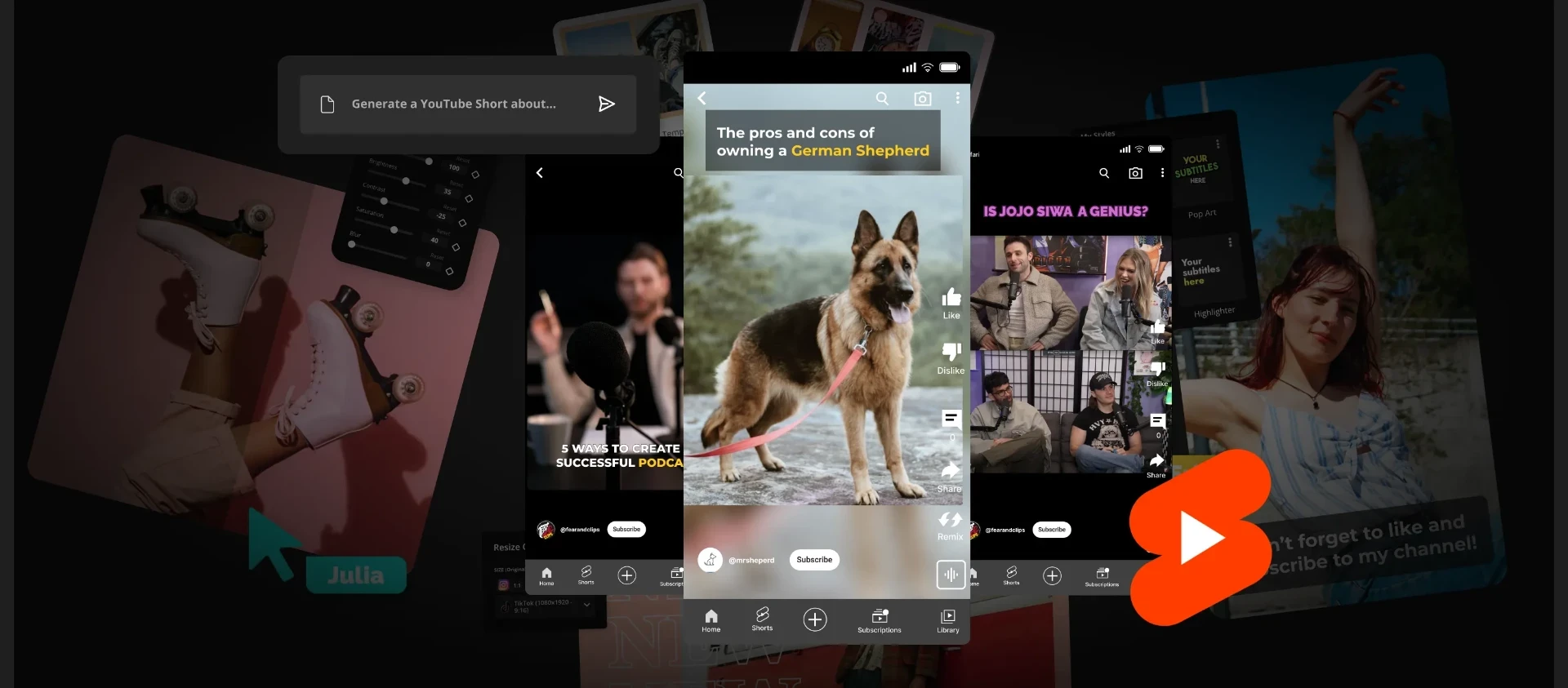
YouTube has quietly tested machine‑learning enhancements—like sharpening and de‑noising—on select Shorts videos without notifying creators, prompting artists to express frustration that the changes distort their intended look and risk undermining their creative authenticity; YouTube insists these are non‑generative ML experiments to “unblur, denoise, and improve clarity”
Sources: The Atlantic, Interesting Engineering, PetaPixel.com
Key Takeaways
– YouTube’s unannounced ML enhancements alter the visual style of creators’ Shorts, sometimes producing oddly sharp edges and plastic-like smoothing that contradicts the creators’ artistic intent.
– While YouTube claims the changes use traditional machine learning rather than generative AI, the visual effects resemble diffusion-based upscaling techniques, raising concerns about transparency.
– Creators worry that these automatic adjustments may erode trust, especially for those with signature visual styles—like VHS looks—who now find their content transformed without consent.
In-Depth
YouTube’s recent test of auto-enhancing Shorts clips with machine learning has stirred quite a buzz, and not in a good way.
Imagine uploading your carefully crafted video—maybe with a grainy, retro vibe or nuanced color grading—and waking up to find it subtly sharpened, smoothed, or “cleaned up” without a whisper from YouTube. That’s what many creators, including stylistic artists and established YouTubers, are reporting. They say the changes distort their intended aesthetic, even making some footage look plastic.
YouTube insists it’s only running a small experiment, using what they call “traditional machine-learning” to unblur and denoise—not generate new content. But the outcomes mirror what we’ve all come to recognize from diffusion-based tools, blurring the lines between “enhanced” and “synthetic.” The lack of transparency has left creators feeling sidelined: after all, they’re the ones investing time and effort into crafting a distinct identity.
Now, without warning, that identity risks being overwritten by an algorithm. The bigger worry? If viewers start mistaking these AI-altered visuals for the creator’s style—or for deepfakes—that could erode trust across the platform. Bottom line: YouTube may be experimenting with visual standardization, but creators want control—and clarity—over how their work is presented.