

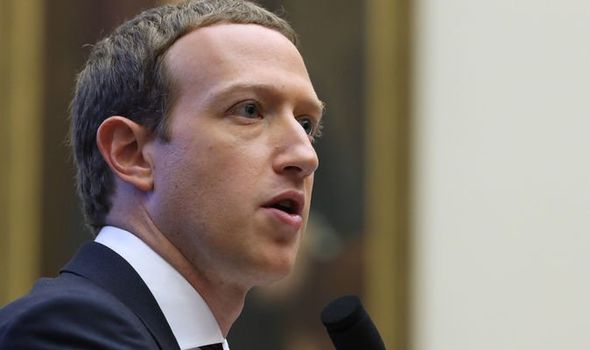
Newly unsealed court documents reveal that Mark Zuckerberg privately reached out to Elon Musk in early 2025 to offer assistance with the Department of Government Efficiency (DOGE), signaling a notable shift from their previously adversarial relationship into one of strategic alignment as government influence and artificial intelligence stakes intensify. In the message, Zuckerberg praised DOGE’s progress and indicated Meta‘s willingness to help by monitoring and removing threatening or doxxing content targeting Musk’s team, even inviting further requests for assistance, while Musk responded positively before pivoting the discussion toward a potential joint bid for OpenAI‘s intellectual property. The exchange, disclosed as part of Musk’s ongoing legal battle with OpenAI, underscores how quickly rivalries in Silicon Valley can give way to cooperation when political access, regulatory leverage, and control over emerging technologies are on the line, raising broader questions about the intersection of corporate power, government authority, and information control in a rapidly shifting digital landscape.
Sources
https://techcrunch.com/2026/03/28/mark-zuckerberg-texted-elon-musk-to-offer-help-with-doge/
https://fortune.com/2026/03/31/elon-musk-mark-zuckerberg-doge-openai-takeover-court-documents/
https://www.benzinga.com/news/politics/26/03/51532002/mark-zuckerberg-praised-elon-musks-doge-progress-in-2025-offered-to-help-anything-else-i-can-do
Key Takeaways
- Silicon Valley rivals can quickly become allies when government influence and strategic advantage are at stake.
- The offer to assist with content moderation tied to a government initiative highlights ongoing tensions around free speech versus centralized control.
- The interaction also connects to a broader push by major tech players to shape the future of artificial intelligence and federal policy simultaneously.
In-Depth
What stands out here isn’t just the message itself—it’s what it represents. Two of the most powerful figures in modern technology, once publicly feuding to the point of theatrics, are now shown engaging in quiet, pragmatic coordination when the levers of government power enter the equation. Zuckerberg’s outreach wasn’t combative or competitive; it was cooperative, even deferential, offering operational support in an arena that blends political authority with digital control.
The context matters. At the time, Musk was playing a central role in DOGE, a government initiative tasked with reshaping federal operations and trimming bureaucratic weight. That kind of proximity to executive authority changes incentives quickly. For any major technology firm, being aligned—or at least not at odds—with such an effort could carry significant implications, from regulatory posture to contract opportunities. Zuckerberg’s message reads less like ideological alignment and more like strategic positioning in a shifting power structure.
There’s also the content moderation angle, which shouldn’t be brushed aside. Offering to “take down” certain categories of content tied to a government initiative walks straight into the ongoing national debate over speech, platform responsibility, and political influence. Whether framed as protecting individuals from threats or managing sensitive information, the mechanism remains the same: large platforms acting in ways that intersect directly with government priorities.
Then there’s the OpenAI angle. Musk’s immediate pivot to discussing a joint bid underscores that this wasn’t just about DOGE—it was about consolidating influence over the next generation of AI infrastructure. In other words, the exchange hints at a broader reality: the same handful of players are positioning themselves to shape both the policy environment and the technological future at the same time.