

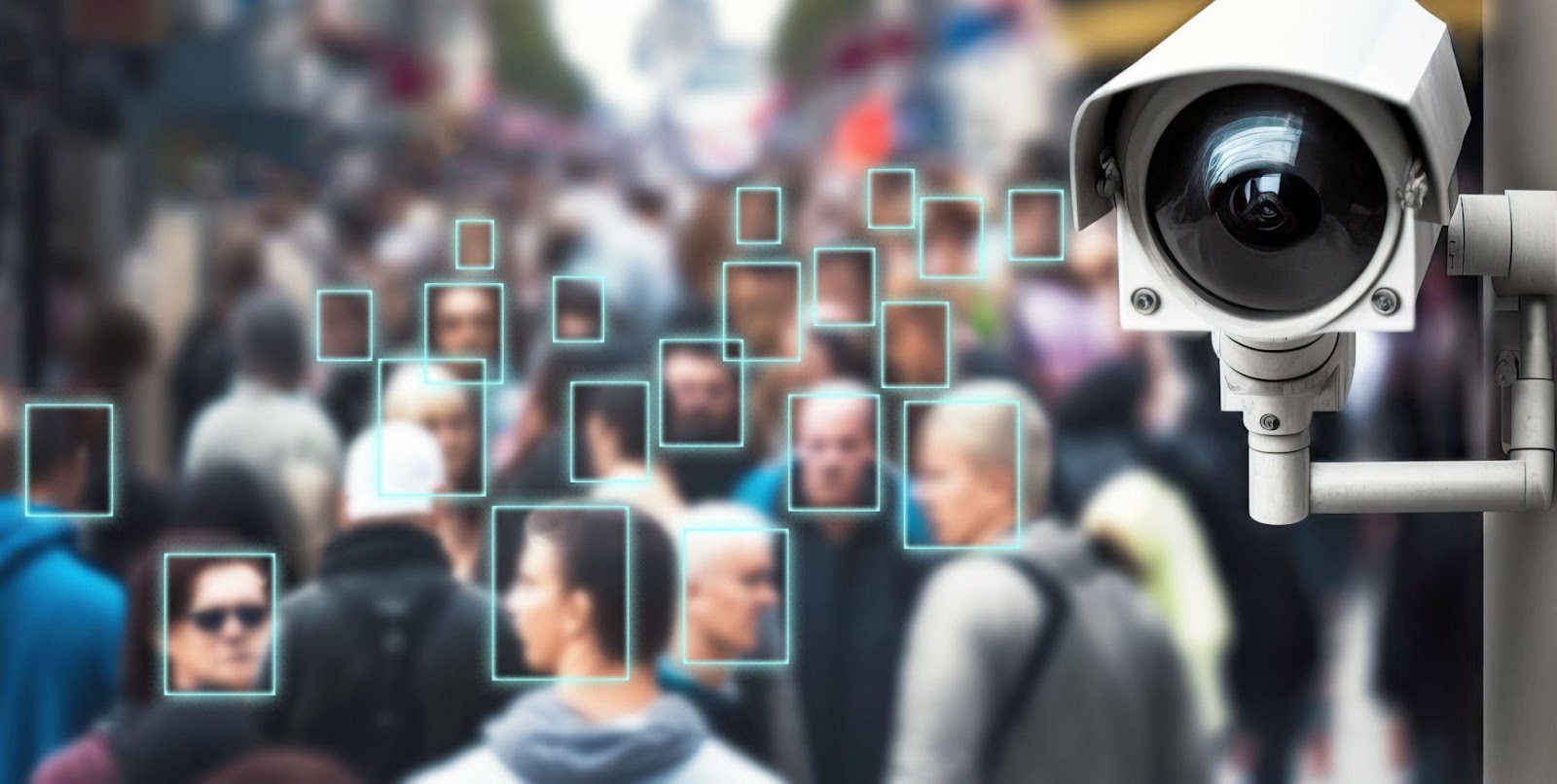
Grocery Outlet has begun deploying facial-recognition technology at several San Francisco Bay Area stores as part of an effort to identify suspected repeat shoplifters and reduce retail theft. The system, provided by SAFR Guard, captures facial images at store entrances and compares them against a retailer-maintained watch list, alerting employees if an identified individual enters the premises. Store entrances display notices informing customers that “Face Matching” software is in use. The rollout has ignited a broader debate over the balance between protecting businesses from organized retail crime and safeguarding consumer privacy. Supporters argue retailers have been forced to adopt increasingly sophisticated security measures after years of rising theft and insufficient enforcement, while critics contend that biometric surveillance raises concerns about accuracy, data security, and the collection of information on law-abiding shoppers. The technology appears to represent another step in retailers’ escalating efforts to combat losses after many stores previously resorted to locked merchandise, security gates, and reduced self-checkout options.
Sources
- https://www.sfchronicle.com/bayarea/article/grocery-outlet-bay-area-facial-id-shoplifting-22343639.php
- https://www.cbsnews.com/sanfrancisco/news/grocery-outlets-facial-recognition-rollout-divides-bay-area-shoppers
- https://www.kqed.org/news/12091161/grocery-outlet-scans-your-face-while-you-shop-critics-say-its-a-privacy-problem
Key Takeaways
- • Grocery Outlet has introduced facial-recognition technology at selected Bay Area locations to identify suspected repeat shoplifters before theft occurs, expanding retailers’ use of artificial intelligence for loss prevention.
- • The deployment reflects how persistent retail theft has pushed businesses toward increasingly advanced security measures after traditional deterrents, including security guards, locked merchandise, and self-checkout restrictions, proved insufficient.
- • The initiative highlights the growing policy debate between protecting private property and consumer privacy, with supporters emphasizing crime prevention while opponents question biometric surveillance, data retention, and the potential for misidentification.
In-Depth
The adoption of facial-recognition technology by Grocery Outlet illustrates the increasingly difficult environment retailers face as they attempt to protect employees, customers, and merchandise from organized retail theft. Rather than relying solely on cameras that document crimes after they occur, the new system is designed to identify individuals already suspected of repeated criminal activity as they enter participating stores, giving employees advance notice before another theft can take place.
From a public policy standpoint, the rollout underscores the consequences of years of inadequate enforcement against retail crime. Businesses rarely embrace controversial technology unless existing methods have failed to provide sufficient protection. Many retailers have already removed self-checkout lanes, locked up everyday products, increased private security, or accepted higher operating costs in response to theft. Facial recognition represents the next logical progression for companies that believe traditional deterrence is no longer enough.
Critics argue that biometric surveillance inevitably raises legitimate questions regarding privacy, data storage, and the possibility of false matches. Those concerns deserve careful oversight and clear operational safeguards. However, supporters counter that private businesses have both the right and the responsibility to protect their property and customers, particularly when governments have struggled to deter repeat offenders effectively. Visible notification, limited watch lists, and narrowly tailored deployment may help strike an appropriate balance between security and civil liberties.
Ultimately, the Grocery Outlet initiative reflects a broader national trend. As artificial intelligence becomes less expensive and more capable, retailers are increasingly willing to deploy advanced technology to compensate for shortcomings in traditional crime deterrence. Unless retail theft declines substantially through more consistent prosecution and enforcement, similar systems are likely to become commonplace across the grocery and retail industries.