

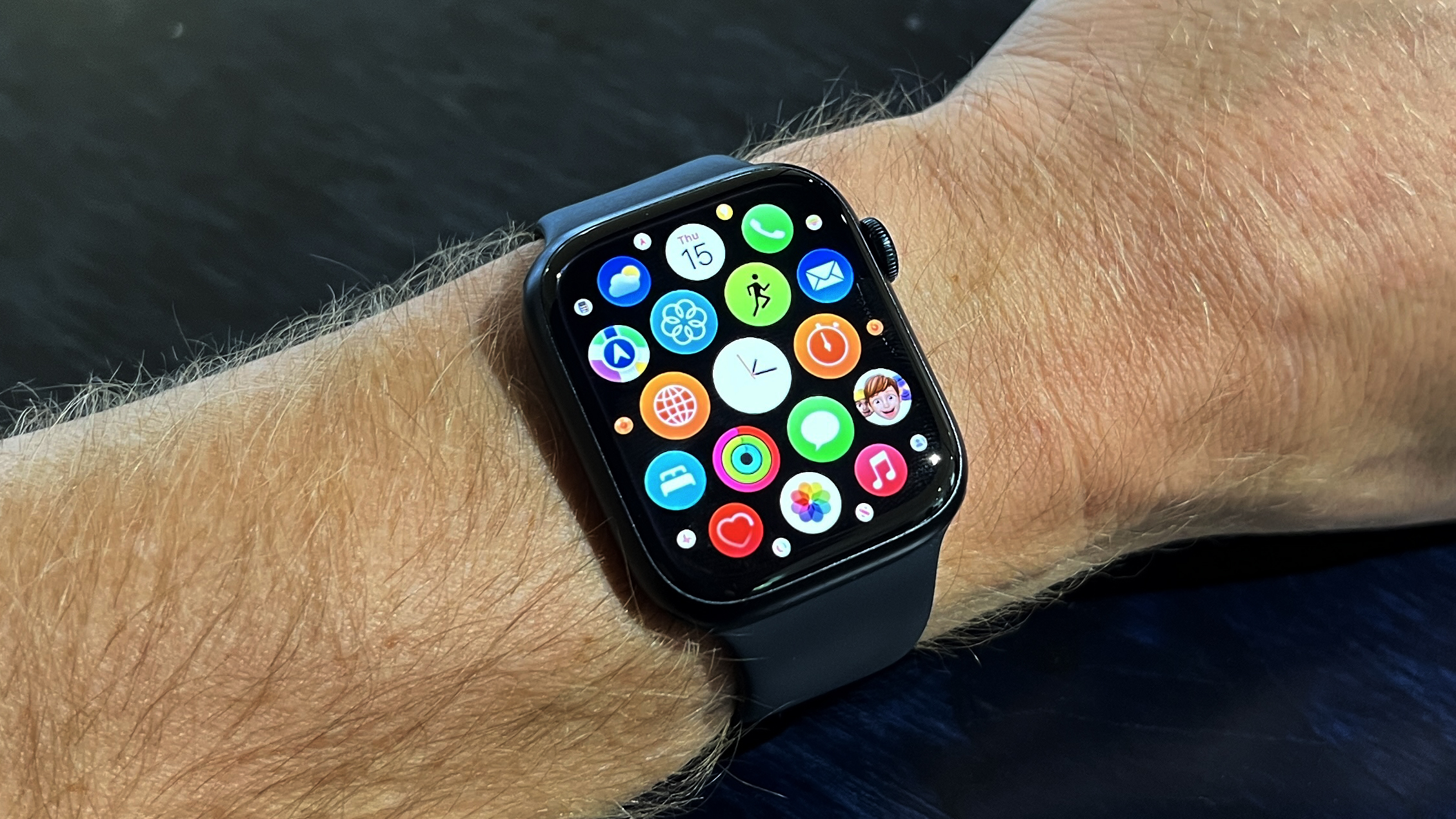
As wearable technology becomes increasingly popular, sleep specialists are warning that consumers may be placing too much faith in the data generated by smartwatches, rings, and fitness trackers. While modern devices are generally effective at estimating when a person is asleep or awake and can identify broad sleep trends, experts caution that many consumer devices are far less accurate when measuring specific sleep stages such as deep and light sleep. Proprietary “sleep scores” vary widely between manufacturers and often create a false sense of precision that may encourage unnecessary anxiety rather than healthier sleep habits. Physicians say the technology can be useful for identifying long-term patterns or prompting beneficial lifestyle changes, but they emphasize that wearable devices should not replace clinical evaluations or become an obsession, particularly among people suffering from insomnia or anxiety about achieving “perfect” sleep. The growing trend underscores a broader concern that Americans are increasingly trusting consumer technology to provide medical guidance that it was never designed to deliver.
Sources
- https://www.sfchronicle.com/health/article/sleep-trackers-wearables-sleep-score-22336548.php
- https://health.clevelandclinic.org/sleep-tracking
- https://www.hopkinsmedicine.org/health/wellness-and-prevention/do-sleep-trackers-really-work
Key Takeaways
- Consumer sleep trackers are reasonably accurate at estimating when users are asleep or awake but are considerably less reliable when measuring individual sleep stages such as deep and light sleep.
- Sleep scores are generated using proprietary algorithms that differ among manufacturers, making comparisons across devices unreliable and potentially misleading.
- Physicians warn that an overreliance on wearable sleep data can contribute to anxiety and obsessive behaviors, especially among people already struggling with insomnia or other sleep disorders.
In-Depth
The explosive growth of wearable health technology reflects Americans’ understandable desire to take greater control over their personal health. Smartwatches, fitness bands, and smart rings now promise detailed insights into everything from heart rate and oxygen saturation to nightly sleep quality. Yet sleep medicine experts are increasingly urging consumers to remember that these products remain consumer electronics first—not diagnostic medical devices.
The concern isn’t that the technology is worthless. In fact, many physicians acknowledge that wearables do a respectable job estimating total sleep time and identifying general trends over weeks or months. Someone who consistently notices poorer sleep after drinking alcohol, changing medications, or altering exercise habits may benefit from those observations. Used appropriately, trackers can reinforce healthier behaviors.
Problems arise when users begin treating every number on their screen as scientific fact. Sleep scores are calculated using proprietary formulas that vary from one manufacturer to another, meaning a “good” score on one device may not correspond with a similar score elsewhere. Likewise, estimates of deep and light sleep are based on indirect measurements rather than direct monitoring of brain activity, making them inherently less precise than laboratory sleep studies.
This growing dependence on algorithm-generated health advice illustrates a broader cultural trend in which technology is increasingly viewed as a substitute for professional judgment. While innovation has unquestionably improved access to health information, consumers should resist the temptation to equate convenience with clinical certainty. No wearable device can fully replace a qualified physician or an overnight sleep study when a genuine medical problem exists.
For conservatives concerned about the expanding influence of Big Tech in everyday life, the issue also serves as a reminder that more data is not always better data. Technology should remain a tool that informs human decision-making—not one that dictates it. The healthiest approach is to use wearable devices as one source of information while relying on common sense, healthy sleep habits, and professional medical advice when concerns arise.