

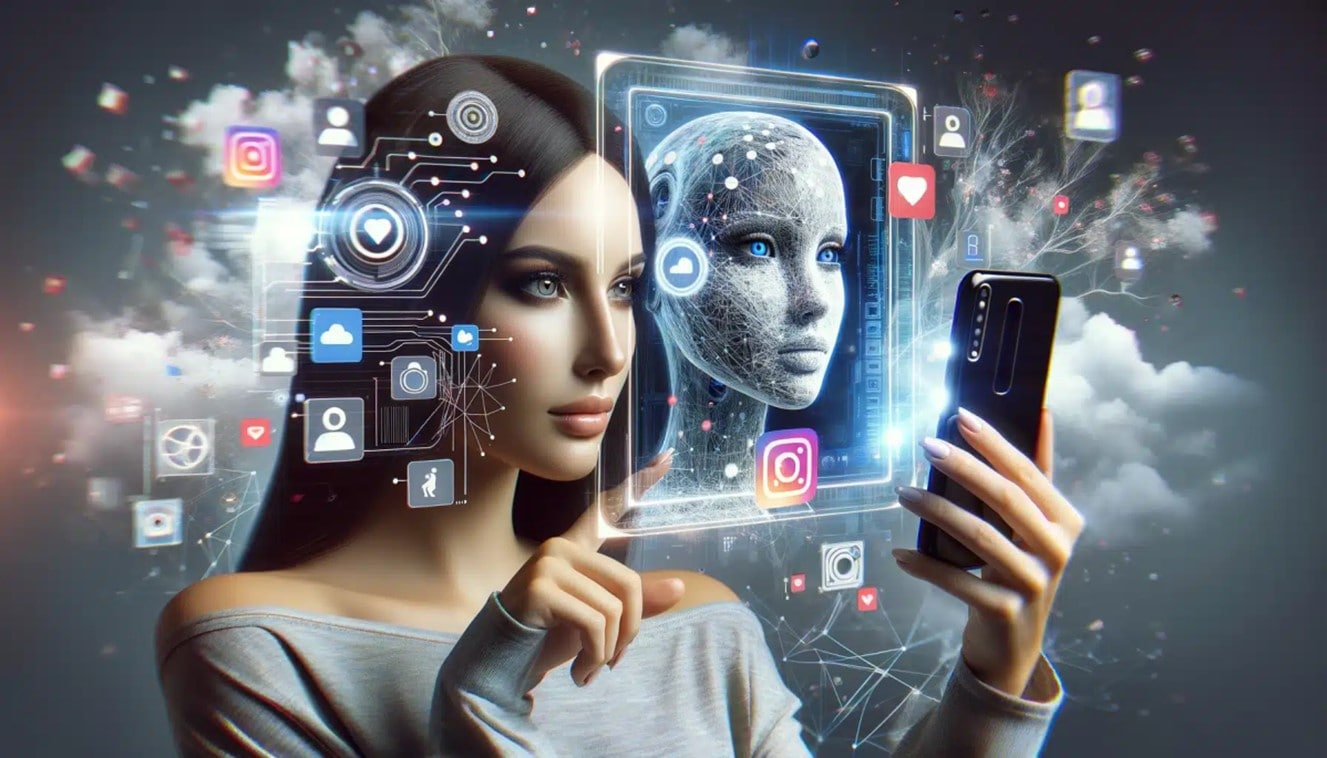
Artificial intelligence is increasingly being used to create convincing but entirely fictional social media influencers who market dietary supplements and wellness products to hundreds of thousands of followers, often without clearly disclosing that the personalities do not exist. The reporting highlights how sophisticated AI-generated avatars are being used to build trust, establish emotional connections with audiences, and promote health products despite having no real-world expertise or accountability. The broader trend underscores growing concerns that advances in generative AI are dramatically lowering the cost of sophisticated digital deception while existing regulatory and platform safeguards struggle to keep pace. Critics argue that consumers are becoming the testing ground for technologies capable of manufacturing credibility at scale, raising significant questions about transparency, consumer protection, platform responsibility, and the future integrity of online advertising.
Sources
- https://www.nytimes.com/video/technology/100000011001849/ai-influencers-health-supplements-fake-ads.html
- https://www.theguardian.com/society/2025/12/05/ai-deepfakes-of-real-doctors-spreading-health-misinformation-on-social-media
- https://www.newser.com/story/385120/ai-generated-influencers-are-selling-real-supplements.html
Key Takeaways
- AI-generated personalities are becoming increasingly realistic and are now being deployed to market health and wellness products at scale, often without obvious disclosure that they are fictional.
- The combination of generative AI, social media algorithms, and lightly regulated supplement markets creates an environment where deceptive advertising can spread rapidly before platforms or regulators respond.
- The controversy highlights a broader challenge facing policymakers: balancing innovation in artificial intelligence with stronger safeguards against fraud, impersonation, and consumer deception.
In-Depth
Artificial intelligence has already transformed how information is created and distributed, but its application to health-related marketing may prove among its most troubling uses. The emergence of fictional influencers capable of attracting large audiences demonstrates that trust itself is becoming a manufactured commodity. Instead of hiring celebrity endorsers or building authentic online communities over years, marketers can now generate persuasive digital personalities in hours and deploy them across multiple platforms simultaneously.
From a conservative perspective, the development illustrates both the promise and peril of rapidly advancing technology. Free markets thrive only when buyers and sellers possess reasonably accurate information. When consumers cannot distinguish between real experts, fictional influencers, and outright deepfakes, markets become less efficient because deception replaces informed decision-making. That ultimately undermines consumer confidence in legitimate businesses as well.
The issue also raises difficult questions about platform accountability. Social media companies have invested heavily in AI technologies that maximize engagement, yet many critics argue they have been slower to develop equally robust systems for identifying synthetic personalities and fraudulent promotions. As AI tools become cheaper and more sophisticated, bad actors can produce misleading content faster than moderators can remove it.
The challenge ahead is unlikely to be solved through regulation alone. Consumers will increasingly need stronger digital literacy, platforms will face growing pressure to authenticate commercial content, and lawmakers will likely revisit disclosure requirements for AI-generated advertising. Without meaningful transparency, the internet risks evolving into an environment where manufactured personalities routinely compete with genuine human expertise for public trust.