

Close Menu

    Subscribe to Updates

    Get the latest tech news from Tallwire.

      What's Hot

      AI Shopping Bots Threaten Amazon’s E-Commerce Dominance and $70 Billion Advertising Business

      November 7, 2026

      States Deploy GPS Speed Limiters to Curb Reckless Driving and Repeat Speeding Offenders

      November 7, 2026

      3M Reaches $7.35B PFAS Settlement Over Forever Chemicals and Firefighting Foam Injury Claims

      November 7, 2026
      Facebook X (Twitter) Instagram
      • Tech
      • AI
      • Get In Touch
      Facebook X (Twitter) LinkedIn
      TallwireTallwire
      • AI

        AI Shopping Bots Threaten Amazon’s E-Commerce Dominance and $70 Billion Advertising Business

        November 7, 2026

        Project Prometheus Eyes 180,000-Square-Foot San Francisco HQ as AI Boom Revives Office Market

        November 6, 2026

        Disney Partners With OpenArt to Test AI-Generated Lyric Videos Amid Copyright Battles

        November 6, 2026

        Meta Pauses AI Web Scraping Rules Amid Publisher Backlash and Antitrust Investigations

        November 6, 2026

        Google to Block Search Access for K-12 Schools That Reject AI Tools, Sparking Backlash

        November 6, 2026
      • Tech

        Florida Police Introduce First $148,000 Flying Patrol Vehicle for Emergency Response

        November 6, 2026

        AI-Powered Subvocal Glasses Could Replace Typing and Talking With Silent Speech Technology

        November 6, 2026

        Pentagon Investigates Suspected Cyberattack on Military Base Freezers; Food Supplies Disrupted

        November 4, 2026

        AI Chip Shortage Reverses Apple’s Market Power as Memory Suppliers Demand Higher Prices

        November 4, 2026

        Paid Social Media Influencers Target California Voters in $350 Million Billionaire Tax Battle

        November 3, 2026
      • Business/Finance
      • Cybersecurity
      • Government
        • Legal
      • Health

        Majority of AI Health Users Trust Chatbots Over Doctors, Raising Patient Safety Concerns

        November 4, 2026

        Quantum Computing Breakthrough Could Transform AI Data Centers and Slash Energy Costs

        November 2, 2026

        Free AI Tool Offers New Hope in Fight Against Antibiotic-Resistant Infections

        November 2, 2026

        Cyberattack Disrupts New Mexico’s Largest Hospital Network, Forcing Emergency Patient Diversions

        November 2, 2026

        GSK Plans to Nearly Double Cancer Drug Pipeline in 2027 Following $10.6 Billion Acquisition

        November 1, 2026
      • Science
        • Academia
      • Entertainment/Communications
      • People
      • Transportation
      • Opinion
      TallwireTallwire
      Home»AI»AI-Generated Influencers Fuel New Wave of Supplement Marketing Deception
      AI

      AI-Generated Influencers Fuel New Wave of Supplement Marketing Deception

      3 Mins Read
      Facebook Twitter Pinterest LinkedIn Tumblr Email
      Share
      Facebook Twitter LinkedIn Pinterest Email

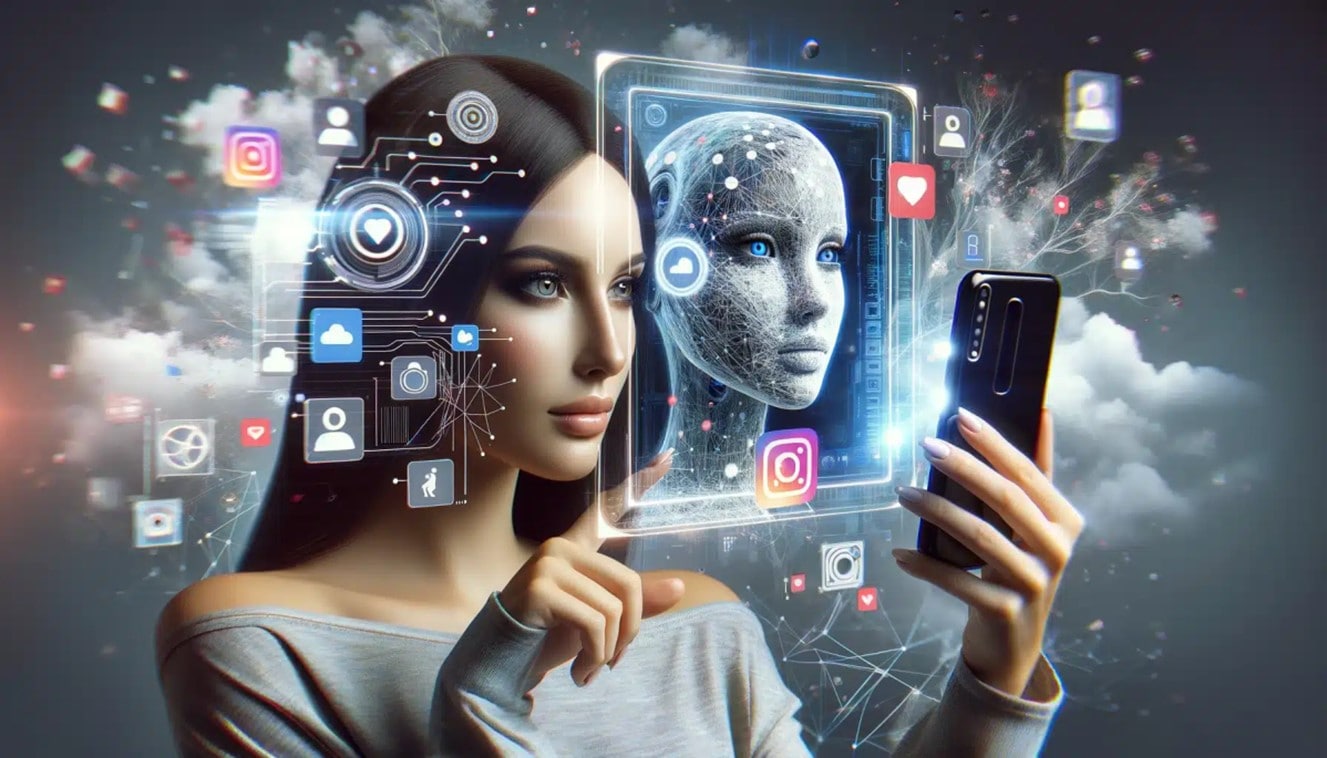
      Artificial intelligence is increasingly being used to create convincing but entirely fictional social media influencers who market dietary supplements and wellness products to hundreds of thousands of followers, often without clearly disclosing that the personalities do not exist. The reporting highlights how sophisticated AI-generated avatars are being used to build trust, establish emotional connections with audiences, and promote health products despite having no real-world expertise or accountability. The broader trend underscores growing concerns that advances in generative AI are dramatically lowering the cost of sophisticated digital deception while existing regulatory and platform safeguards struggle to keep pace. Critics argue that consumers are becoming the testing ground for technologies capable of manufacturing credibility at scale, raising significant questions about transparency, consumer protection, platform responsibility, and the future integrity of online advertising.

      Sources

      • https://www.nytimes.com/video/technology/100000011001849/ai-influencers-health-supplements-fake-ads.html
      • https://www.theguardian.com/society/2025/12/05/ai-deepfakes-of-real-doctors-spreading-health-misinformation-on-social-media
      • https://www.newser.com/story/385120/ai-generated-influencers-are-selling-real-supplements.html

      Key Takeaways

      • AI-generated personalities are becoming increasingly realistic and are now being deployed to market health and wellness products at scale, often without obvious disclosure that they are fictional.
      • The combination of generative AI, social media algorithms, and lightly regulated supplement markets creates an environment where deceptive advertising can spread rapidly before platforms or regulators respond.
      • The controversy highlights a broader challenge facing policymakers: balancing innovation in artificial intelligence with stronger safeguards against fraud, impersonation, and consumer deception.

      In-Depth

      Artificial intelligence has already transformed how information is created and distributed, but its application to health-related marketing may prove among its most troubling uses. The emergence of fictional influencers capable of attracting large audiences demonstrates that trust itself is becoming a manufactured commodity. Instead of hiring celebrity endorsers or building authentic online communities over years, marketers can now generate persuasive digital personalities in hours and deploy them across multiple platforms simultaneously.

      From a conservative perspective, the development illustrates both the promise and peril of rapidly advancing technology. Free markets thrive only when buyers and sellers possess reasonably accurate information. When consumers cannot distinguish between real experts, fictional influencers, and outright deepfakes, markets become less efficient because deception replaces informed decision-making. That ultimately undermines consumer confidence in legitimate businesses as well.

      The issue also raises difficult questions about platform accountability. Social media companies have invested heavily in AI technologies that maximize engagement, yet many critics argue they have been slower to develop equally robust systems for identifying synthetic personalities and fraudulent promotions. As AI tools become cheaper and more sophisticated, bad actors can produce misleading content faster than moderators can remove it.

      The challenge ahead is unlikely to be solved through regulation alone. Consumers will increasingly need stronger digital literacy, platforms will face growing pressure to authenticate commercial content, and lawmakers will likely revisit disclosure requirements for AI-generated advertising. Without meaningful transparency, the internet risks evolving into an environment where manufactured personalities routinely compete with genuine human expertise for public trust.

      Intel Manufacturing
      Share. Facebook Twitter Pinterest LinkedIn Tumblr Email
      Previous ArticleGoogle AI Search Advances Imperil Independent Web Traffic
      Next Article When Machines Do Everything, What Remains for Man?

      Related Posts

      States Deploy GPS Speed Limiters to Curb Reckless Driving and Repeat Speeding Offenders

      November 7, 2026

      AI Shopping Bots Threaten Amazon’s E-Commerce Dominance and $70 Billion Advertising Business

      November 7, 2026

      3M Reaches $7.35B PFAS Settlement Over Forever Chemicals and Firefighting Foam Injury Claims

      November 7, 2026

      Foreign Workers at U.S. AI Companies Raise National Security and Espionage Concerns

      November 7, 2026
      Add A Comment
      Leave A Reply Cancel Reply

      Editors Picks

      Florida Police Introduce First $148,000 Flying Patrol Vehicle for Emergency Response

      November 6, 2026

      AI-Powered Subvocal Glasses Could Replace Typing and Talking With Silent Speech Technology

      November 6, 2026

      Pentagon Investigates Suspected Cyberattack on Military Base Freezers; Food Supplies Disrupted

      November 4, 2026

      AI Chip Shortage Reverses Apple’s Market Power as Memory Suppliers Demand Higher Prices

      November 4, 2026
      Popular Topics
      UAE Tech Sundar Pichai Software Samsung Viral trending Satellite starlink Stocks Series A spotlight Taiwan Tech Tesla Space SpaceX Tim Cook Startup Tesla Cybertruck Satya Nadella Series B
      Major Tech Companies
      • Apple News
      • Google News
      • Meta News
      • Microsoft News
      • Amazon News
      • Samsung News
      • Nvidia News
      • OpenAI News
      • Tesla News
      • AMD News
      • Anthropic News
      • Elbit News
      AI & Emerging Tech
      • AI Regulation News
      • AI Safety News
      • AI Adoption
      • Quantum Computing News
      • Robotics News
      Key People
      • Sam Altman News
      • Jensen Huang News
      • Elon Musk News
      • Mark Zuckerberg News
      • Sundar Pichai News
      • Tim Cook News
      • Satya Nadella News
      • Mustafa Suleyman News
      Global Tech & Policy
      • Israel Tech News
      • India Tech News
      • Taiwan Tech News
      • UAE Tech News
      Startups & Emerging Tech
      • Series A News
      • Series B News
      • Startup News
      Tallwire
      Facebook X (Twitter) LinkedIn Threads Instagram RSS
      • AI
      • Tech
      • Business/Finance
      • Cybersecurity
      • Government
      • Legal
      • Health
      • Science
      • Academia
      • Entertainment/Communications
      • People
      • Transportation
      • Opinion
      • Press Kit
      © 2026 Tallwire. Optimized by ARMOUR Digital Marketing Agency.

      Type above and press Enter to search. Press Esc to cancel.