

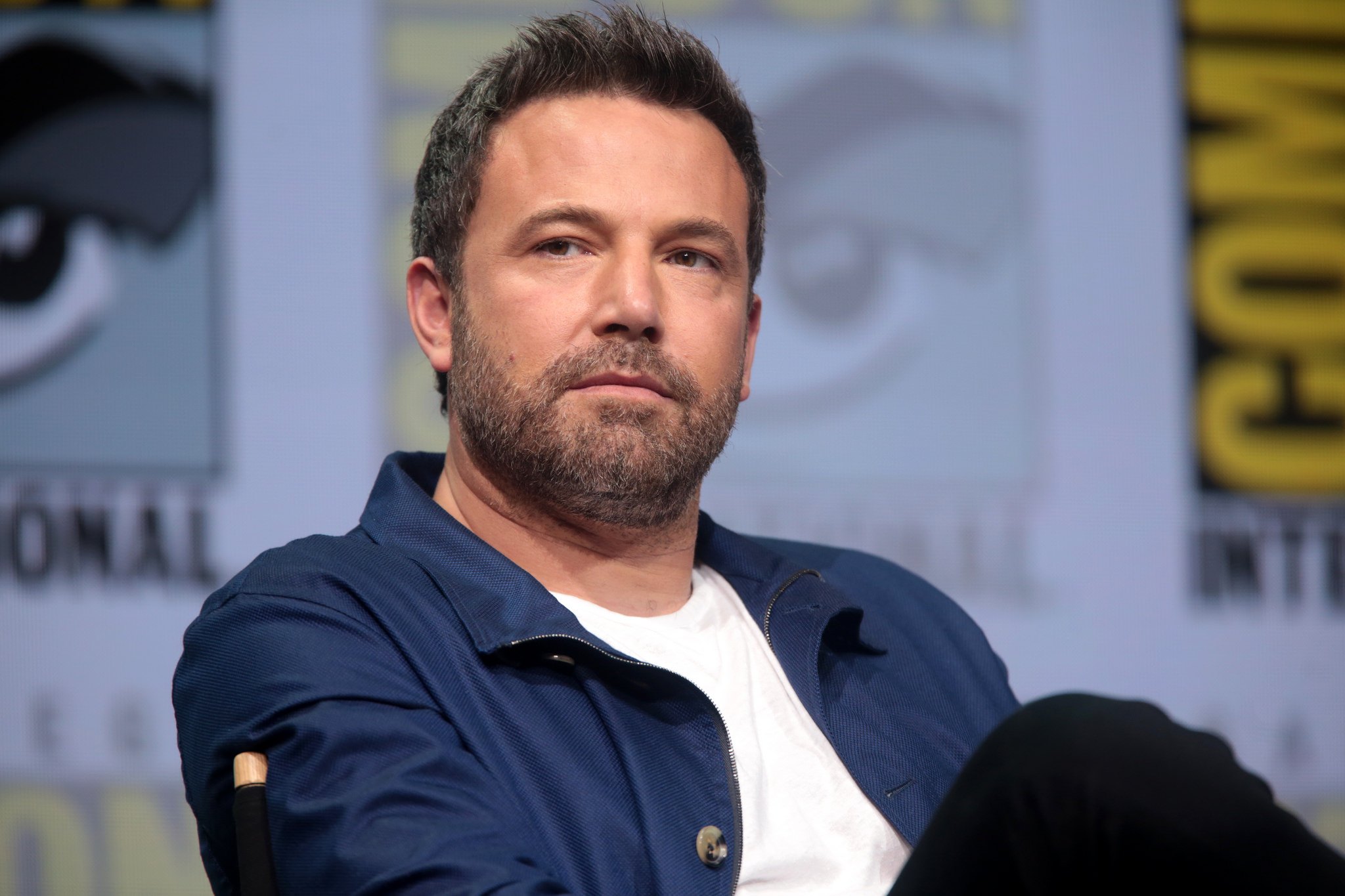
Netflix has disclosed that it paid approximately $587 million in cash to acquire Ben Affleck’s AI filmmaking startup, InterPositive, underscoring just how aggressively major entertainment companies are investing in artificial intelligence to reshape film and television production. Founded in 2022, InterPositive was built around AI tools designed to streamline post-production tasks such as continuity corrections, lighting adjustments, and complex visual effects while leaving creative decision-making in the hands of filmmakers. Netflix says the technology is already being used across hundreds of productions, with executives arguing that it can improve quality while reducing production time and costs. The acquisition also highlights the growing divide within Hollywood between those who view AI as a productivity tool and those who fear it will ultimately erode creative jobs and artistic independence.
Sources
- https://www.latimes.com/entertainment-arts/business/story/2026-07-21/ben-afflecks-ai-company-is-sold-for-more-than-500-million
- https://www.latimes.com/entertainment-arts/business/story/2026-03-05/netflix-buys-ben-affleck-ai-film-tech-company-interpositive
- https://timesofindia.indiatimes.com/entertainment/english/hollywood/news/ben-afflecks-ai-firm-acquired-for-usd-587-million-netflix-confirms-deal-in-sec-filing/articleshow/132473953.cms
Key Takeaways
- Netflix’s $587 million acquisition demonstrates that major entertainment companies increasingly view proprietary AI technology as a strategic competitive advantage rather than an experimental investment.
- InterPositive’s stated focus is on accelerating technical filmmaking processes instead of replacing writers, directors, or actors, though organized labor continues to press for stronger safeguards against broader AI expansion.
- The transaction reflects a broader trend in which large media companies are pursuing efficiency gains through AI as production costs continue to climb and investors demand improved financial performance.
In-Depth
The nearly $600 million valuation placed on InterPositive sends a clear signal that artificial intelligence has moved beyond Silicon Valley hype and into the core business strategy of the entertainment industry. Rather than purchasing a speculative concept, Netflix acquired a company built specifically to solve expensive production challenges that routinely consume time and money during post-production. If AI can consistently reduce editing, visual effects, and continuity costs without compromising quality, executives will view those efficiencies as a meaningful competitive advantage in an increasingly crowded streaming marketplace.
That reality, however, does little to calm concerns among many creative professionals. Hollywood’s writers, actors, and production crews have repeatedly warned that technologies introduced as “assistive” tools often expand beyond their original purpose. History suggests that cost-saving innovations rarely remain limited once businesses recognize opportunities to reduce labor expenses. While Affleck has consistently argued that InterPositive was designed to preserve human creativity rather than replace it, skepticism remains understandable given the rapid pace of AI development.
For conservatives, the broader lesson extends beyond Hollywood. Artificial intelligence should be embraced where it increases productivity, strengthens American technological leadership, and allows businesses to compete globally. At the same time, markets function best when innovation is balanced by transparency, respect for intellectual property, and contractual protections for workers whose creative contributions remain the foundation of the entertainment industry. The companies that successfully strike that balance are likely to define the next generation of filmmaking.