

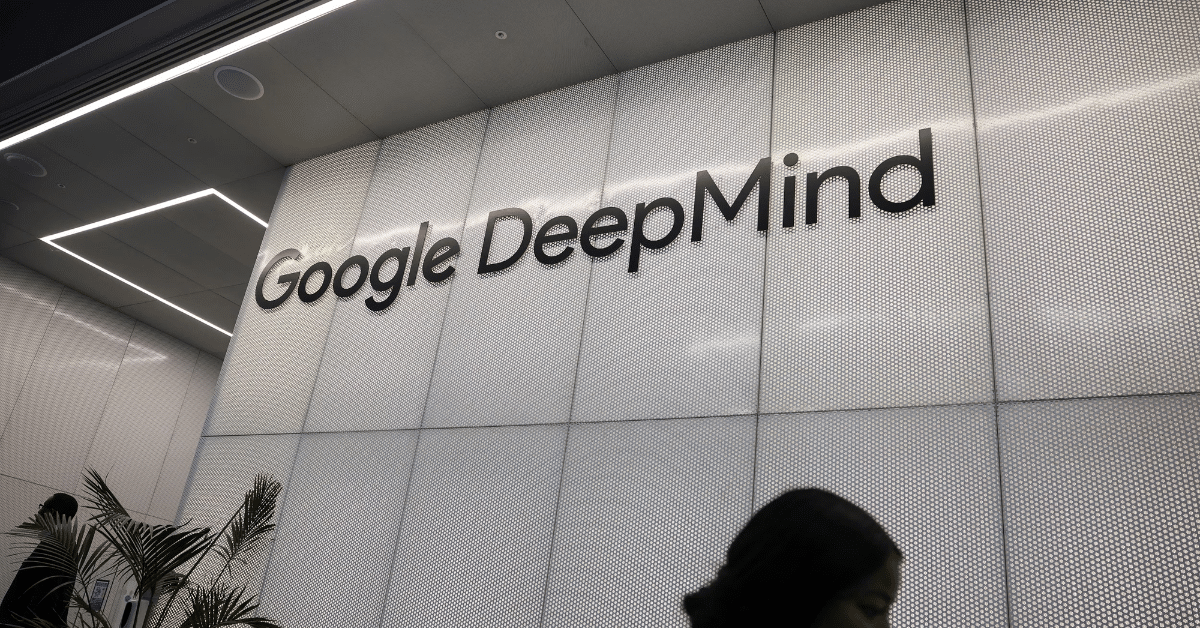
Google DeepMind CEO Demis Hassabis is urging the United States to lead the creation of a global oversight body for advanced artificial intelligence models, arguing that the accelerating capabilities of frontier AI systems demand more structured international governance before potentially dangerous technologies are widely deployed. His proposal envisions an independent standards organization that would evaluate cutting-edge AI models for cybersecurity, biosecurity, and other national security risks prior to release. The initiative has received favorable reactions from several prominent AI industry leaders, but it also enters an increasingly contentious debate over whether stronger oversight would genuinely improve public safety or instead entrench the dominance of today’s largest AI companies while creating additional regulatory barriers for emerging competitors.
Sources
- https://www.latimes.com/business/story/2026-07-20/deepmind-chief-urges-washington-to-back-global-ai-watchdog-as-frontier-models-raise-security-fears
- https://www.itpro.com/business/policy-and-legislation/google-deepmind-boss-demis-hassabis-issues-call-to-action-on-ai-safety-standards
- https://www.axios.com/2026/07/16/ai-regulations-openai-anthropic-google
Key Takeaways
- Major AI developers are increasingly advocating for formal oversight of frontier AI systems before public release, reflecting growing concern about cybersecurity, biological, and national security risks posed by rapidly advancing models.
- The proposed watchdog would establish standardized testing and review procedures, but significant political and geopolitical hurdles remain before any U.S.-led international framework could gain widespread acceptance.
- While enhanced safety testing may reduce certain risks, expanded regulatory structures also raise concerns that compliance costs and government involvement could disproportionately benefit established technology giants at the expense of startups, open-source development, and market competition.
In-Depth
The call for an international AI watchdog reflects a remarkable shift within the technology industry. Just a few years ago, many of the same companies now advocating greater oversight argued that innovation should proceed with minimal government interference. As frontier AI models have demonstrated increasingly sophisticated reasoning, coding, and cybersecurity capabilities, executives have begun acknowledging that the potential consequences of misuse extend beyond commercial concerns into national security.
Even so, policymakers should approach these proposals with measured skepticism. Large incumbent firms possess the legal, financial, and technical resources to satisfy complex regulatory requirements that smaller competitors often cannot. History shows that well-intentioned regulation frequently produces unintended market consolidation, reducing competition while strengthening the industry’s dominant players. Any international standards body must therefore strike a careful balance between protecting public safety and preserving the entrepreneurial environment that has driven American technological leadership.
There is also the practical challenge of global participation. While allies may cooperate on common standards, there is little assurance that strategic competitors will accept a U.S.-led oversight framework if it conflicts with their national interests. Without broad international participation, regulatory burdens could fall primarily on Western companies while rivals continue advancing under different rules.
The debate therefore extends beyond AI safety itself. It encompasses questions of economic competitiveness, national security, innovation, and geopolitical influence. As Washington considers new governance mechanisms, policymakers will have to determine whether additional oversight enhances America’s technological leadership—or unintentionally slows it while competitors accelerate.