

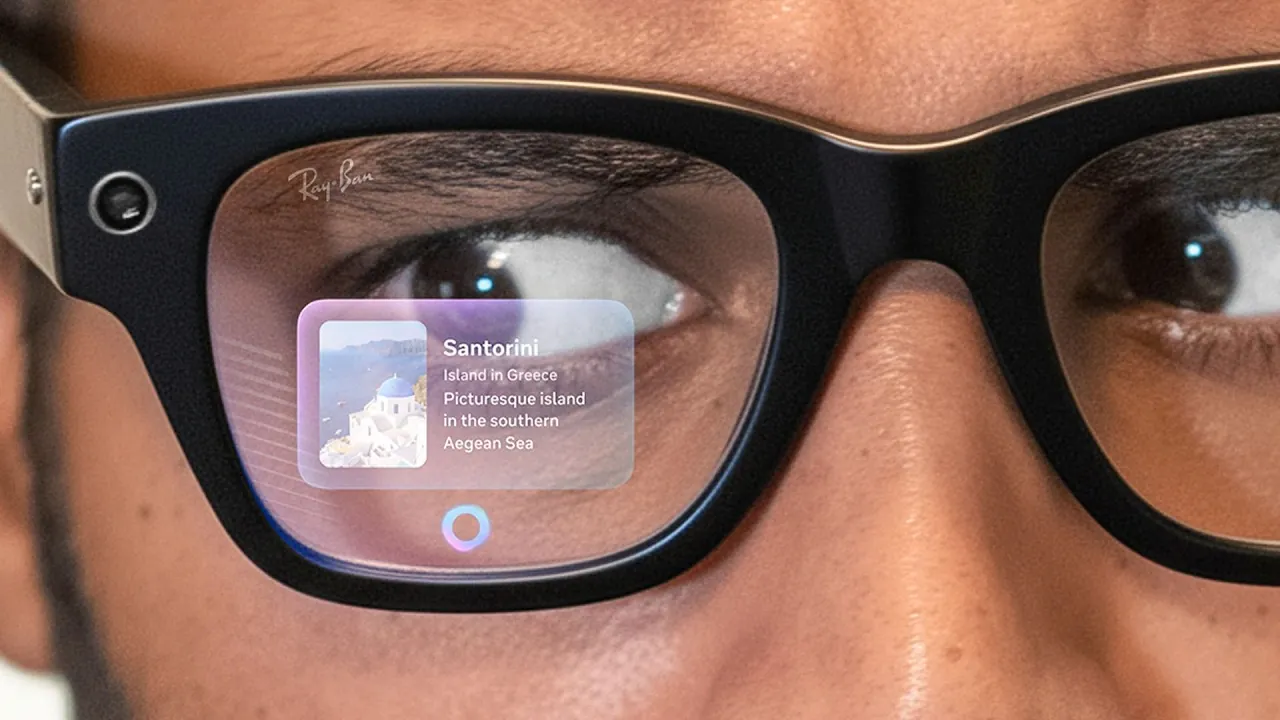
A prominent Queens nightclub has banned smart glasses from its premises, warning that anyone who brings the devices inside—whether wearing them or simply carrying them—will be asked to leave and could face a permanent ban. The policy extends the venue’s existing prohibition on photography and video, reflecting mounting concerns that increasingly discreet wearable cameras can record unsuspecting people without meaningful consent. The move comes as smart glasses gain popularity while manufacturers confront criticism over privacy safeguards, including attempts by users to defeat recording-indicator lights. Recent software changes are intended to shut down cameras when those indicators are obstructed, but the nightclub’s decision illustrates a broader development: private businesses are beginning to establish their own boundaries as wearable surveillance technology advances faster than established social norms.
Key Takeaways
- The Queens nightclub has imposed a comprehensive smart-glasses prohibition, applying even to devices carried inside a bag, because discreet recording conflicts with its longstanding no-photo, no-video policy.
- Privacy concerns extend beyond hypothetical misuse. People have reported being unknowingly recorded with smart glasses and subsequently appearing in widely distributed social-media videos, demonstrating how wearable cameras can deprive individuals of a practical opportunity to refuse being filmed.
- Manufacturers are strengthening technological safeguards, including disabling cameras when recording-indicator lights are obstructed, but private-property owners are increasingly positioned to establish stricter rules when manufacturer protections do not adequately satisfy their customers’ expectations of privacy.
In-Depth
A Queens nightclub’s decision to ban smart glasses is more than a rejection of new technology; it is a practical response to a growing privacy problem. Basement, which already maintains a no-photo, no-video policy, says patrons who bring smart glasses inside can be removed and potentially barred permanently. The rule recognizes an obvious reality: wearable cameras make recording less conspicuous than holding up a phone, weakening people’s ability to recognize that they are being filmed and object.
The controversy has intensified as smart glasses become more common and reports of nonconsensual recordings circulate widely online, raising legitimate questions about consent. One woman recently discovered that she had been covertly filmed and that the resulting video had spread widely across social media.
Manufacturers have responded with safeguards. Current smart glasses use a visible capture light intended to alert bystanders when photos or videos are recorded. Yet reporters demonstrated a loophole: a user could begin recording while the indicator was visible, then cover it. A software update is designed to stop the camera if the light becomes obstructed during recording.
That improvement is useful, but it does not settle the larger issue. Private establishments have every reason to establish stronger rules than manufacturers provide. A nightclub promising an environment free from photography cannot reasonably enforce that promise while admitting discreet wearable cameras. Basement’s ban represents private property rights functioning as intended: the venue sets conditions for entry, customers decide whether those conditions are acceptable, and government need not dictate the final outcome.
Sources
- https://www.cbsnews.com/news/meta-ai-smart-glasses-covert-filming-privacy/
- https://arstechnica.com/tech-policy/2026/08/meta-tweaks-ai-glasses-to-block-some-creepy-recordings-but-privacy-risks-remain/
- https://9to5google.com/2026/08/28/meta-ray-ban-smart-glasses-privacy-led-loophole-update/
- https://about.fb.com/news/2026/07/metas-ai-glasses-your-questions-answered/