

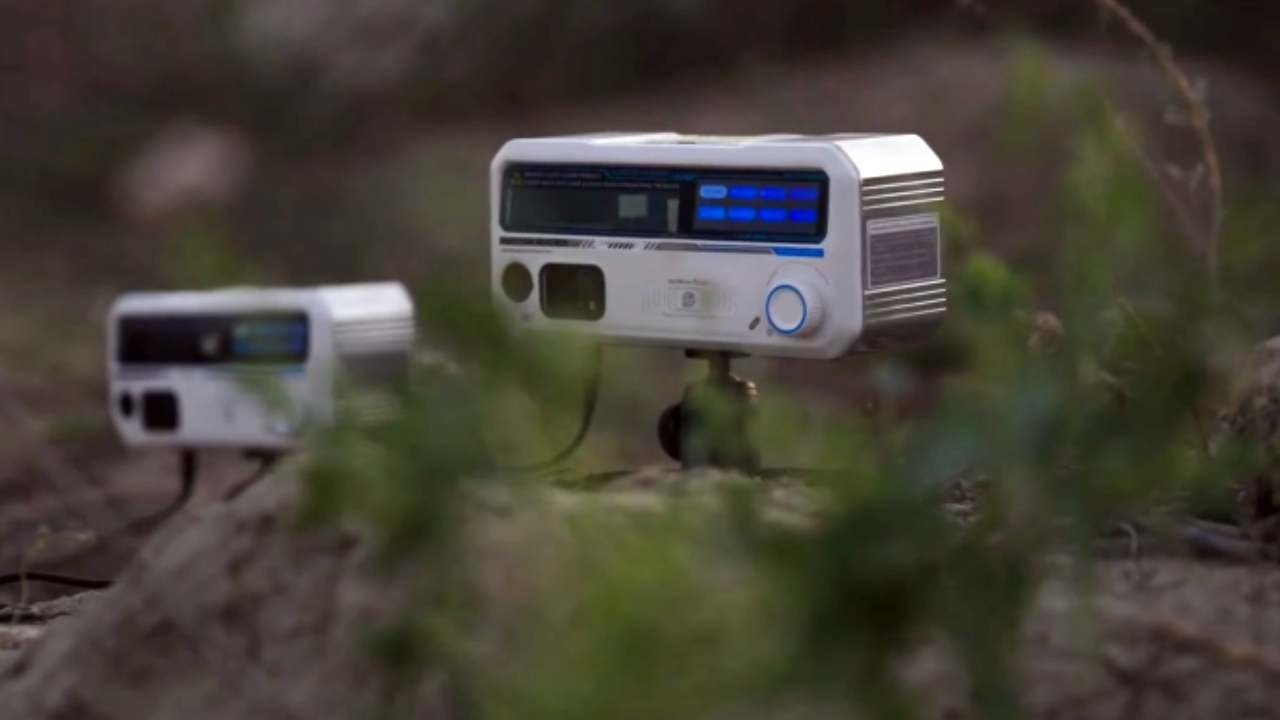
An artificial-intelligence-powered mosquito defense system is moving from a crowdfunding concept to a commercial product just as California confronts its highest West Nile virus activity in five years. Photon Matrix uses LiDAR, millimeter-wave radar, AI-assisted vision and precision lasers to detect and eliminate mosquitoes in flight, offering an indoor infrared model for $988 and an outdoor blue-laser version for $1,088. The technology promises a chemical-free alternative to conventional mosquito control, with detection of insects as small as two millimeters and an outdoor range approaching 20 feet. The innovation is compelling, particularly as mosquito-borne disease becomes a more visible public-health concern, but buyers should distinguish the manufacturer’s impressive performance and safety claims from independently demonstrated real-world effectiveness.
Key Takeaways
- Photon Matrix applies AI, LiDAR, radar and precision-laser technology to mosquito control, potentially replacing broad chemical treatments with a highly targeted physical method.
- California reported 30 human West Nile virus cases across 13 counties as of August 14, including three fatalities, putting statewide activity at a five-year high and giving the technology unusually timely relevance.
- The $988 indoor and $1,088 outdoor systems represent an intriguing consumer application of AI, but independent evidence of long-term effectiveness, safety and meaningful reductions in mosquito-borne disease remains considerably less developed than the manufacturer’s claims.
In-Depth
The arrival of Photon Matrix turns mosquito control into a test of whether artificial intelligence can solve an ordinary but consequential public-health problem. The Chinese-developed system combines LiDAR, millimeter-wave radar, AI-assisted vision and a precision laser to identify mosquitoes in flight and disable them without chemical sprays. Its makers offer an indoor infrared model for $988 and an outdoor blue-laser version for $1,088.
The timing is notable. California health officials reported August 20 that West Nile virus activity had reached a five-year high. As of August 14, the state had recorded 30 human cases across 13 counties, including three fatalities. That makes mosquito control more than a matter of backyard comfort during late-summer transmission season.
Photon Matrix claims its system can detect insects as small as two millimeters, track mosquitoes moving up to roughly 3.3 feet per second and, outdoors, operate across a range approaching 20 feet. The company says the system distinguishes mosquitoes from larger insects and uses safety mechanisms intended to prevent firing when people or animals are detected.
The technology is impressive, but consumers should separate engineering claims from proven field performance. Independent, large-scale evidence showing how effectively the device reduces mosquito bites or disease transmission remains limited. Earlier coverage also raised questions about laser-safety certification and real-world reliability.
Still, the direction is promising: targeted technology could reduce dependence on indiscriminate pesticides. If Photon Matrix performs as advertised, it represents the kind of practical innovation AI should deliver—solving tangible problems rather than merely automating digital conveniences alone.
Sources
- https://www.foxbusiness.com/technology/laser-wielding-mosquito-killer-hits-market-promising-track-zap-backyard-pests-midair
- https://newatlas.com/outdoor-gear/laser-shooting-mosquito-killer/
- https://www.cdph.ca.gov/Programs/OPA/Pages/NR26-026.aspx
- https://news.cgtn.com/news/2026-08-16/Chinese-developed-laser-mosquito-killer-enters-mass-production-1PEnjKoLTws/index.html