

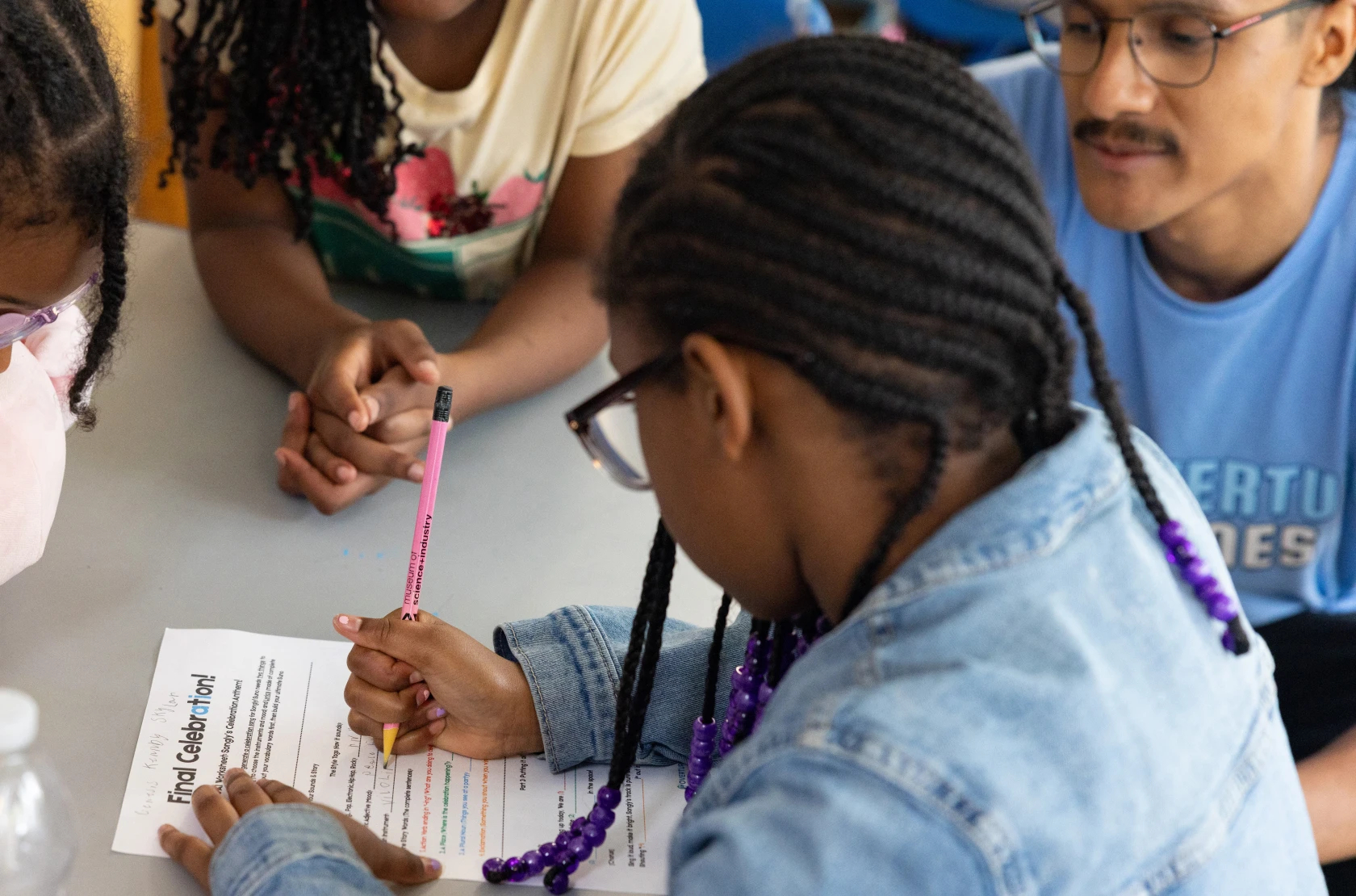
A growing parent-led movement in San Francisco is challenging the expanding use of artificial intelligence and screens in public schools, with particular scrutiny falling on Amira, an AI-powered literacy program that listens to young children read aloud, evaluates their performance and provides automated assistance. Nearly 1,000 parents, teachers and other supporters have backed a petition calling for tighter limits on classroom technology, including disabling generative AI on student devices, ending AI-based core instruction in elementary grades, strengthening parental opt-outs and returning more instruction to books, paper and teachers. The dispute is complicated by the fact that Amira is not a generative chatbot: its developer says it uses speech recognition and predetermined instructional responses, while San Francisco schools use Amira both for tutoring and as an approved reading-difficulties screener for first- and second-graders. Supporters point to evidence that individualized tutoring can improve literacy, but critics argue that schools should not normalize additional screen exposure, voice recording and machine-mediated instruction among young children without stronger evidence, transparency and parental consent. The San Francisco fight reflects a broader national reassessment of educational technology as other large districts restrict generative AI and screen time.
Key Takeaways
- Nearly 1,000 parents, teachers and supporters have backed an effort seeking tighter controls on AI and screen use in San Francisco schools, including ending programs such as Amira for core elementary instruction and providing families with meaningful alternatives to computer-based learning.
- Amira presents a more complicated issue than ChatGPT-style AI. The program listens to children read and uses speech recognition to assess performance and select instructional responses, but it does not operate as an open-ended generative chatbot. San Francisco currently plans to use Amira as its reading-difficulties screener for first- and second-graders during the 2026–27 school year.
- San Francisco’s debate is part of a larger reconsideration of technology in education. Los Angeles has imposed a moratorium on student use of generative AI on district devices while developing policies for responsible AI education, illustrating a growing willingness among major school systems to impose limits before allowing technology to become deeply embedded in classroom instruction.
In-Depth
San Francisco’s dispute over artificial intelligence in elementary classrooms raises a question school districts nationwide increasingly cannot avoid: Just because technology can perform part of a teacher’s job, should schools routinely allow it to do so?
Amira illustrates why the answer is not simple. Children read aloud to a computer, which analyzes their speech and identifies difficulties before offering predetermined assistance. The company stresses that this is not generative AI and describes the technology as a supplemental tool intended for brief sessions rather than a teacher replacement. San Francisco also uses Amira to help satisfy California’s requirement for screening young students for reading difficulties.
Parents nevertheless have legitimate policy questions. The issue extends beyond whether Amira technically qualifies as generative AI. Young children are interacting with screens, speaking into microphones and producing data while receiving instruction traditionally delivered through direct human interaction. Parents supporting the San Francisco petition want greater disclosure, meaningful opt-outs, restrictions on student data entering AI systems and renewed emphasis on printed books, handwriting and teacher-led instruction.
That argument reflects a fundamentally conservative principle of institutional restraint: schools should demonstrate that a new technology materially improves education before making it routine, particularly when children and personal data are involved. Innovation can supplement good teaching without automatically displacing proven methods.
The counterargument deserves consideration. Personalized reading technology can provide immediate feedback that a teacher managing an entire classroom cannot provide simultaneously to every student. Students observed using Amira have received individualized pronunciation assistance while progressing through material appropriate to their reading levels.
The sensible dividing line may therefore be less about whether schools use technology than who controls its use. Parents increasingly want transparency, consent and evidence before schools turn experimental technologies into ordinary childhood experiences. San Francisco’s controversy demonstrates that educational innovation without parental confidence can quickly become educational resistance.
Sources
- https://www.kalw.org/2026-03-09/meet-amira-the-ai-program-teaching-san-francisco-kids-how-to-read
- https://sfstandard.com/2026/09/03/la-nyc-sf-ai-policy/
- https://www.sfusd.edu/K-2ReadingScreening
- https://www.fournorms.com/campaigns/1792
- https://www.latimes.com/california/story/2026-09-02/lausd-student-ai-ban-policy