

California’s Proposition 45, appearing on the November 3 ballot, promises to accelerate housing, infrastructure, and energy construction by reducing regulatory delays under the California Environmental Quality Act (CEQA). Supporters argue the measure would lower development costs, encourage investment, and address the state’s persistent housing and infrastructure shortages. Opponents warn that its broad language could also benefit large technology companies seeking expedited approval for energy-intensive data centers, potentially limiting environmental scrutiny and community objections. The controversy centers on whether data centers qualify under provisions addressing broadband internet access, an unresolved legal question that could ultimately require judicial interpretation. With substantial campaign contributions flowing to both sides, voters face a consequential choice between streamlining California’s notoriously burdensome permitting system and preserving existing safeguards against potentially harmful development.
Key Takeaways
• Regulatory Reform: Proposition 45 would accelerate environmental reviews and restrict certain legal challenges, potentially reducing construction delays and development costs.
• Data Center Controversy: Opponents argue that broadly defined broadband provisions could benefit massive data centers, while supporters dispute that interpretation.
• Taxpayer and Community Concerns: Implementation could exceed $100 million annually, while critics question whether faster approvals would adequately protect communities from pollution and infrastructure burdens.
In-Depth
California voters face a consequential decision over Proposition 45, a ballot initiative designed to reform the state’s cumbersome environmental review process. The measure would establish tighter approval deadlines, streamline environmental assessments, and limit certain lawsuits that frequently delay housing, transportation, water, and energy projects.
Supporters maintain that excessive regulation has contributed to California’s housing shortages, inflated construction expenses, and discouraged private investment. They argue that faster approvals would encourage development without eliminating environmental standards, allowing essential infrastructure to proceed more efficiently.
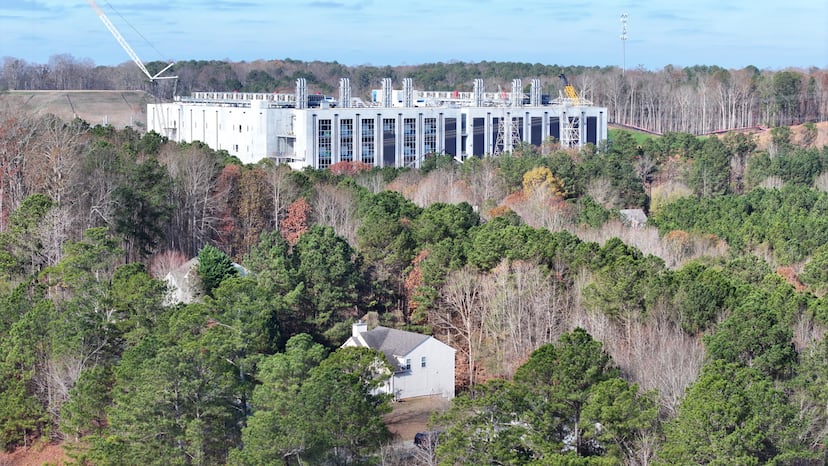
However, controversy has emerged over whether technology companies could exploit provisions intended for broadband internet projects to accelerate construction of massive data centers. These facilities require substantial electricity, cooling resources, and backup generators, raising concerns about pollution, utility costs, and neighborhood impacts.
A proposed data center in Imperial County illustrates those tensions. Local opposition and judicial intervention resulted in demands for more extensive environmental review, highlighting the importance of existing safeguards for communities already experiencing significant air-quality problems.
The initiative’s supporters insist conventional data centers are excluded from its intended scope. Legal specialists disagree over whether the measure’s language could nevertheless permit their inclusion, potentially leaving courts responsible for determining eligibility.
Financial implications also deserve scrutiny. State estimates suggest implementation could cost governments more than $100 million annually, although applicant and litigation fees would offset some expenses.
California needs meaningful permitting reform, but regulatory efficiency should not become an invitation to shift private development costs onto taxpayers. Voters must determine whether Proposition 45 strikes an appropriate balance between economic growth, government accountability, and protecting property owners and surrounding communities.
Sources
• https://voterguide.sos.ca.gov/propositions/45/title-summary.htm