

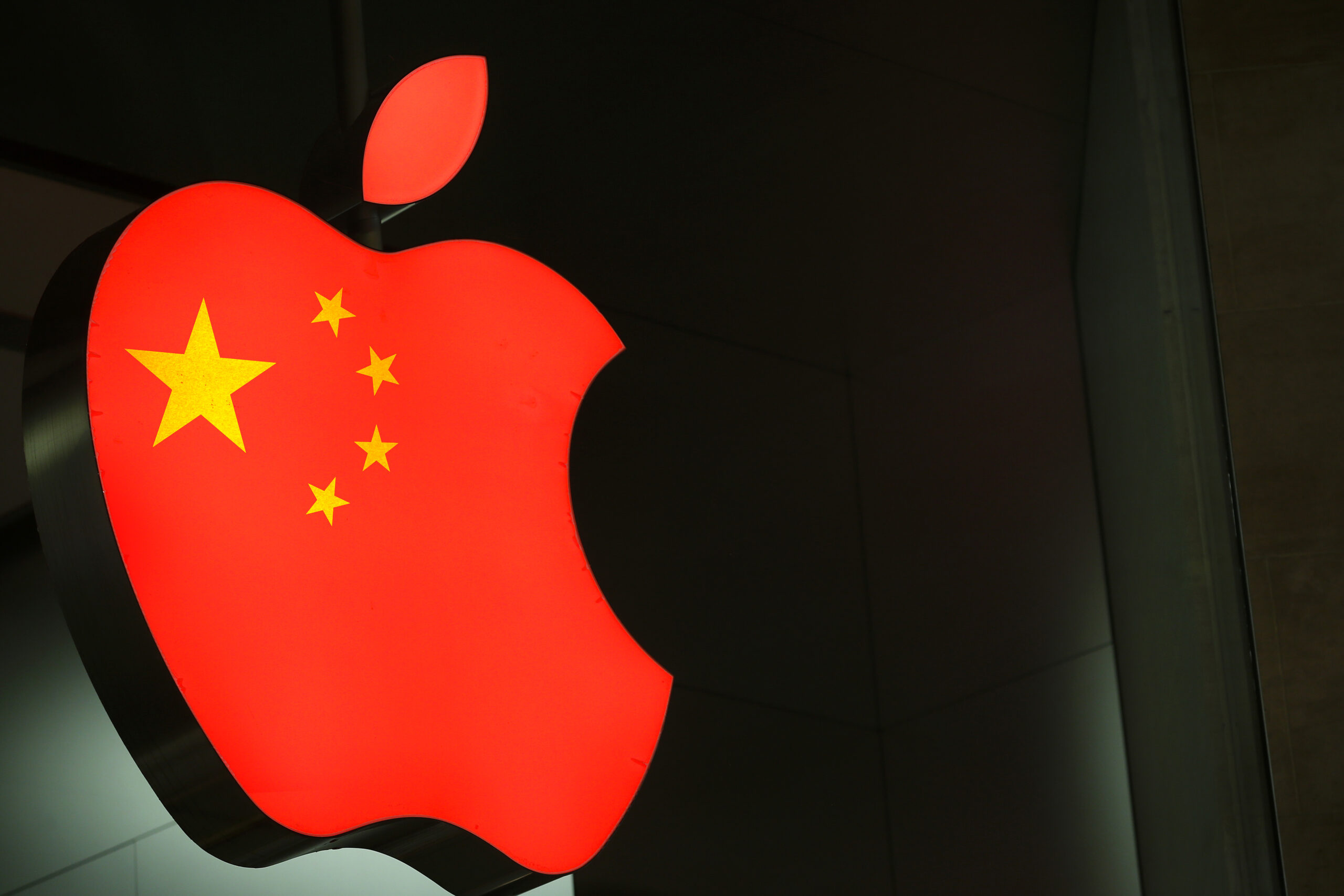
China has approved Apple‘s long-delayed rollout of Apple Intelligence, allowing the American technology giant to introduce artificial intelligence features across its devices using models developed with Chinese technology companies Alibaba and Baidu. Regulatory approvals covering the iPhone Duo, iPhone 18 Pro, and earlier models include Alibaba’s Qwen language models and Tongyi Wanxiang image-generation technology. Apple expects to begin testing the service in China later in October, following years of regulatory obstacles that prevented Chinese consumers from accessing AI capabilities already available elsewhere. While the decision strengthens Apple’s competitive position in one of its most important markets, it also raises questions about technological independence, consumer privacy, government censorship, and the concessions American corporations must make to operate within China’s tightly controlled digital economy.
Key Takeaways
• China Grants Regulatory Approval: Apple Intelligence has cleared major Chinese regulatory hurdles, with an initial rollout expected later in October 2026.
• Chinese AI Becomes Integral: Alibaba’s Qwen and Tongyi Wanxiang models will support Apple’s AI capabilities, while Baidu is also contributing technology for Chinese users.
• National Security and Privacy Concerns Persist: China’s extensive regulatory control over AI raises questions about censorship, data protection, and American technology companies’ dependence on Beijing-approved systems.
In-Depth
China’s approval of Apple Intelligence represents a significant commercial victory for Apple, but it also illustrates the growing influence Beijing exercises over American technology companies seeking access to its enormous consumer market. The agreement permits Apple to introduce artificial intelligence capabilities using technology developed with Alibaba and Baidu, bringing its products into compliance with China’s restrictive regulatory framework.
The arrangement incorporates Alibaba’s Qwen language models and Tongyi Wanxiang image-generation technology into Apple’s Chinese-market ecosystem. These capabilities are expected to support writing assistance, image generation, and other AI functions, although the initial rollout will not include every feature available internationally.
For Apple, the decision removes a competitive disadvantage against Chinese smartphone manufacturers that already offer integrated AI services. China remains an important source of revenue, making regulatory cooperation commercially attractive despite continuing geopolitical tensions between Washington and Beijing.
Nevertheless, the arrangement raises legitimate questions about technological sovereignty and consumer privacy. China’s government maintains extensive authority over digital platforms, information distribution, and artificial intelligence systems. American consumers and policymakers should recognize that regulatory approval in Beijing carries implications beyond ordinary product certification.
The central concern is whether an American technology company can preserve meaningful independence while integrating AI technologies operating under Chinese regulatory requirements. Approval does not establish that consumer information is being improperly accessed, but neither does it eliminate the need for transparency regarding data handling and censorship obligations.
Apple’s achievement underscores a broader strategic dilemma: access to China’s marketplace increasingly requires accommodation of Beijing’s technological rules, potentially strengthening Chinese influence over the global digital economy.
Sources
• https://www.macrumors.com/2026/07/15/apple-intelligence-cleared-to-launch-in-china/