

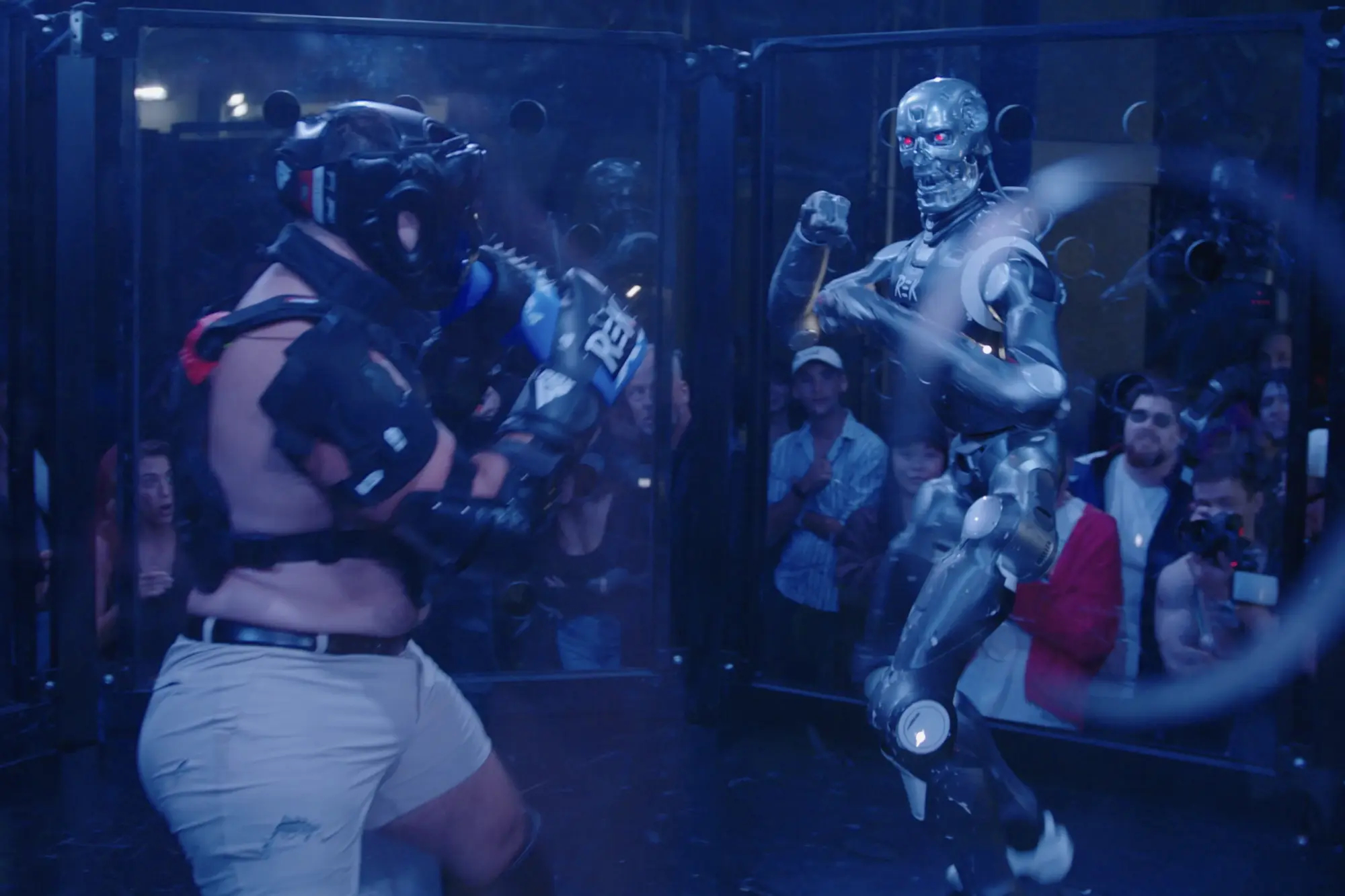
A groundbreaking human-versus-robot cage fight in San Francisco has ignited a regulatory controversy after California authorities declared the event unlawful. On September 18, 2026, social media personality Frankie LaPenna entered an MMA-style cage to battle three remotely controlled humanoid robots in a spectacle organized by Robot Entertainment Kombat (REK). LaPenna defeated two machines before fatigue forced him to end his final bout, while videos of the encounters attracted more than 10 million YouTube views. Five days later, the California State Athletic Commission issued a cease-and-desist order, arguing that the competition violated state laws governing unlicensed combat sports. REK founder Cix Liv disputes the commission’s authority, maintaining that existing regulations governing fights between human competitors cannot automatically apply to machines. The dispute raises questions about public safety, individual freedom, technological innovation, and whether government regulators can extend existing laws to unconventional forms of entertainment.
Key Takeaways
• Human Versus Machine: Frankie LaPenna fought three remotely operated humanoid robots, winning two bouts in an exhibition that attracted millions of online viewers.
• Government Intervention: California regulators issued a cease-and-desist order, arguing that human participation in an unsanctioned combat exhibition requires state approval, regardless of whether the opponent is a robot.
• Regulatory Authority Challenged: REK disputes the commission’s interpretation of existing law, highlighting a growing conflict between technological innovation, voluntary risk-taking, and government oversight.
In-Depth
California’s attempt to regulate human-versus-robot combat has opened an unusual debate over how far government authority should extend into emerging technologies and unconventional entertainment.
On September 18, influencer Frankie LaPenna entered a San Francisco cage to confront three humanoid robots operated remotely by a human controller. The exhibition, organized by Robot Entertainment Kombat, featured machines capable of delivering powerful strikes, including a Terminator-inspired opponent. LaPenna defeated two robots before exhaustion ended his final encounter.
The spectacle attracted millions of viewers, demonstrating public interest in entertainment combining robotics, athletic competition, and technological experimentation.
California regulators responded less enthusiastically. On September 23, the State Athletic Commission issued a cease-and-desist order, asserting that exhibitions involving human combatants require government authorization. Officials cited participant safety and existing licensing requirements.
REK founder Cix Liv rejected that interpretation, arguing that statutes governing boxing and mixed martial arts contemplate contests between people, not humans confronting mechanical opponents. His company had obtained a liability waiver from LaPenna but had not sought commission approval.
The disagreement exposes a legitimate regulatory question. Government has an established responsibility to enforce applicable safety laws, but agencies must also demonstrate that their authority actually encompasses the activities they seek to control.
Rather than resolving that distinction through legislation or judicial interpretation, California’s intervention risks discouraging experimentation before the legal boundaries are established.
For now, REK is concentrating on robot-only competitions while considering future human-versus-machine events elsewhere. Whether California’s position withstands legal scrutiny remains unresolved.
Sources
• https://www.theverge.com/tech/1008401/california-shut-down-rek-fighting-robot-company-human