

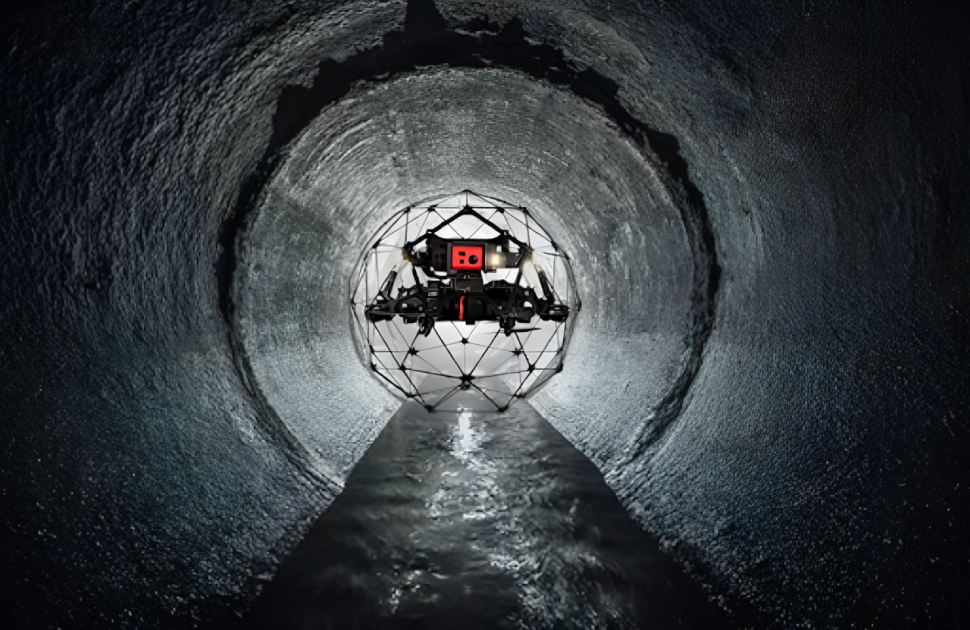
A European research initiative is developing miniature autonomous robots capable of inspecting, mapping, and potentially repairing deteriorating underground sewer systems before catastrophic failures occur. The approximately $9 million PIPEON project combines artificial intelligence, advanced sensors, and robotic engineering to address an infrastructure problem threatening cities worldwide. The urgency became evident in January 2026, when a collapsed sewer line near Washington, D.C., released more than 240 million gallons of untreated wastewater into the Potomac River. With American sewer systems experiencing an estimated 23,000 to 75,000 overflows annually, researchers believe robotic inspections could dramatically improve maintenance efficiency, reduce environmental contamination, and spare taxpayers the enormous expense of emergency infrastructure repairs.
Key Takeaways
• Preventing infrastructure disasters: Autonomous sewer robots could detect cracks, blockages, and structural deterioration before failures occur, potentially reducing sewage spills and expensive emergency repairs.
• Advanced technology underground: The robots combine artificial intelligence, 3D LiDAR, cameras, acoustic sensors, and specialized robotic equipment to navigate hazardous pipelines and identify problems without requiring human entry.
• Lower costs and greater accountability: The European-funded initiative aims to reduce inspection costs tenfold and sewage spills by 30%, offering municipalities a potential alternative to costly, reactive infrastructure maintenance.
In-Depth
Beneath America’s streets lies an aging infrastructure network that receives little public attention until something goes catastrophically wrong. A European engineering initiative hopes to change that reality through miniature autonomous robots capable of inspecting sewer pipelines, identifying structural weaknesses, and eventually performing limited maintenance without human intervention.
The urgency became unmistakable in January 2026, when a collapsed sewer interceptor near Washington, D.C., discharged approximately 243 million gallons of untreated wastewater, contaminating the Potomac River and triggering an expensive emergency response. Federal estimates suggest American communities experience between 23,000 and 75,000 sanitary sewer overflows annually.
The European Union’s approximately $9 million PIPEON initiative seeks to replace slow, labor-intensive inspections with intelligent machines equipped with cameras, acoustic sensors, LiDAR mapping technology, and artificial intelligence. These robots could independently navigate confined pipelines, detect developing problems, and help utilities prioritize repairs before failures become public emergencies.
Researchers envision systems capable of removing blockages, installing monitoring equipment, and creating detailed digital maps of underground infrastructure. Project objectives include reducing inspection expenses by a factor of ten and cutting wastewater spills by 30%.
However, the technology remains experimental. Researchers anticipate meaningful autonomous navigation capabilities within several years, while project funding currently extends through 2028.
For American municipalities, the implications extend beyond technological innovation. Preventive maintenance could reduce taxpayer exposure to emergency reconstruction, environmental remediation, and infrastructure-related litigation. More importantly, objective inspection data could strengthen governmental accountability by identifying neglected assets before officials can claim that another costly disaster was entirely unforeseen.
Sources
• Original Reporting — The Tiny Robot Designed to Solve a Massive Underground Crisis (October 15, 2026) https://www.wsj.com/tech/the-tiny-robot-designed-to-solve-a-massive-underground-crisis-953fdccb
• European Commission — Robotics and AI for Sewer Pipe Inspection and Maintenance, PIPEON Project https://cordis.europa.eu/project/id/101189847
• PIPEON — Official Project Description, Technology and Objectives https://pipeon.eu/the-project/
• DC Water — Key Findings on the Potomac River Sewer Overflow, February 6, 2026 https://www.dcwater.com/about-dc-water/media/news/dc-water-releases-key-findings-extent-sewer-overflow-and-potomac-river
• U.S. Environmental Protection Agency — Sanitary Sewer Overflows, Causes and National Estimates https://www.epa.gov/npdes/sanitary-sewer-overflows-ssos
• PIPEON — Supporting Smarter Wastewater Infrastructure Management, September 8, 2026 https://pipeon.eu/supporting-smarter-wastewater-infrastructure-management/