

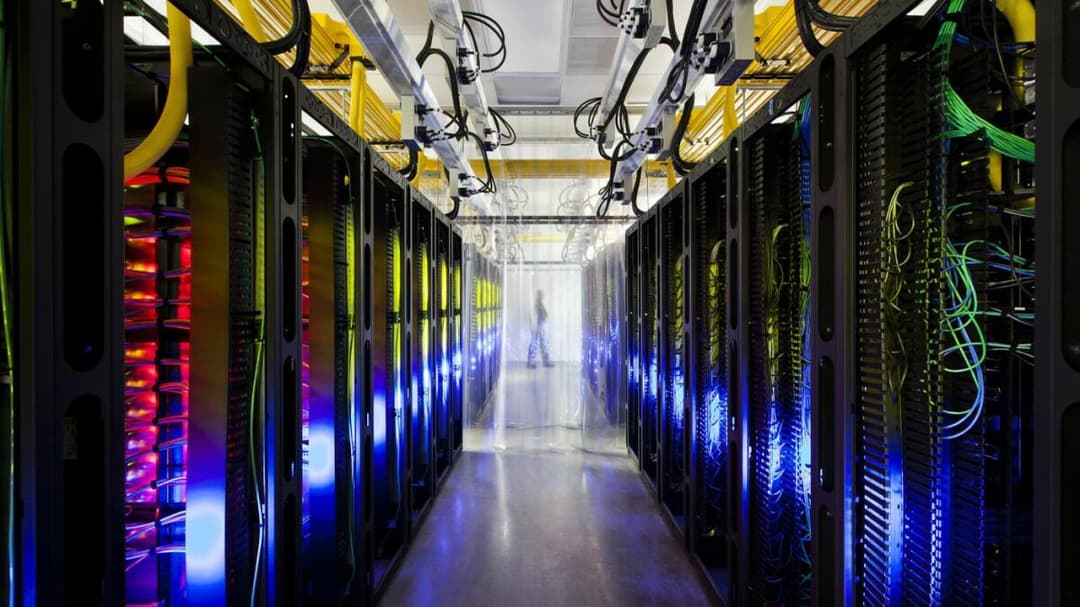
A massive $100 billion private-sector investment will transform a former Cold War uranium enrichment facility in Paducah, Kentucky, into one of America’s largest artificial intelligence and high-performance computing campuses. Spearheaded by Brookfield Asset Management and NextEra Energy in partnership with the U.S. Department of Energy, the project will combine a 1.8-gigawatt data center campus with dedicated natural gas generation and battery storage. Scheduled for completion by 2032, the development is expected to create approximately 8,000 construction jobs and 600 permanent positions. The initiative represents a significant effort to strengthen American technological competitiveness, expand domestic energy production, and repurpose federal industrial property while protecting local electricity customers from the financial burden of powering AI infrastructure.
Key Takeaways
• Historic Private Investment: The $100 billion project will redevelop Kentucky’s former Paducah uranium enrichment site into a major AI computing and energy complex, generating thousands of jobs.
• Energy Independence and Consumer Protection: Dedicated natural gas generation and battery storage are intended to support the campus without shifting infrastructure costs onto residential electricity customers.
• American AI Leadership: The development advances domestic computing capacity and energy infrastructure amid growing international competition, although financing concerns, regulatory requirements, and opposition to data centers remain significant obstacles.
In-Depth
A former Cold War nuclear installation in western Kentucky is poised for an extraordinary transformation as the United States accelerates efforts to establish technological dominance in artificial intelligence. The $100 billion Paducah American Energy Hub will repurpose federally owned industrial property into a massive computing complex supported by dedicated energy infrastructure.
Brookfield Asset Management will oversee development of the AI campus, while NextEra Energy will construct up to two gigawatts of natural gas generation and 2.6 gigawatts of battery storage. The development is expected to support approximately 1.8 gigawatts of utility capacity, with construction proceeding in phases through 2032.
The project reflects an increasingly important economic reality: America’s technological competitiveness depends upon affordable, reliable electricity. Rather than forcing existing utility customers to subsidize enormous corporate energy demands, developers intend to finance dedicated generation infrastructure, potentially supplying surplus electricity to the regional grid.
Federal officials anticipate approximately 8,000 construction jobs and 600 permanent positions. The investment also offers an opportunity to restore economic productivity to a former uranium enrichment facility, although environmental remediation and regulatory oversight remain essential.
Nevertheless, enthusiasm for AI infrastructure faces growing resistance. Rising construction costs, financing difficulties, environmental concerns, and public opposition have complicated comparable developments nationwide. Questions surrounding long-term computing demand and investment returns also persist.
For policymakers, Paducah represents an important test of whether private investment, domestic energy production, and federal cooperation can advance American innovation without imposing additional financial burdens on taxpayers. Its ultimate success will depend upon execution, fiscal discipline, and measurable economic benefits.
Sources
• https://www.zerohedge.com/ai/brookfield-nextera-build-100-billion-ai-hub-cold-war-nuclear-site
• https://www.project.nexteraenergyresources.com/paducah-american-energy-hub
• https://apnews.com/article/a4cf07af1b6776971dc5d609c996ca13