

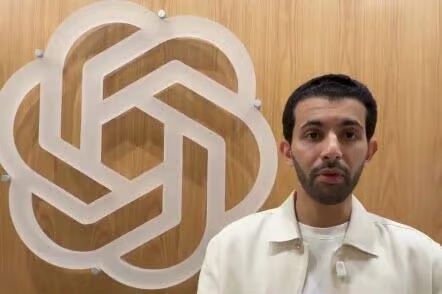
A federal judge has ordered former OpenAI engineer Abdulrahman Alfozan, 35, held without bail after prosecutors accused him of secretly installing a recording device in a restricted executive conference room at the company’s San Francisco headquarters. The decision followed revelations that the Saudi Arabian consulate offered substantial financial backing for his release, raising concerns that Alfozan could flee to Saudi Arabia, where American authorities lack an extradition treaty. Prosecutors also disclosed communications between Alfozan and a Saudi royal family member encouraging his return to the kingdom, along with evidence of searches involving sensitive corporate meetings. Although Alfozan has not been charged with espionage, the allegations raise troubling questions about foreign influence, corporate security, and America’s protection of strategically important artificial intelligence technology.
Key Takeaways
• Foreign Government Intervention: A Saudi consulate offered to financially guarantee Alfozan’s release, but the judge rejected the arrangement over concerns that foreign government support could facilitate his escape.
• Suspicious Communications and Surveillance: Prosecutors allege Alfozan planted a concealed recording device, researched executive meeting schedules, and maintained communications with a Saudi royal involved in recruiting AI talent.
• National Security Implications: The case exposes potential vulnerabilities in America’s artificial intelligence industry as Washington expands technological partnerships with foreign governments seeking access to advanced AI capabilities.
In-Depth
A federal judge’s decision to detain former OpenAI engineer Abdulrahman Alfozan underscores growing concerns about foreign access to America’s most strategically valuable technologies. Alfozan, a Saudi national and U.S. permanent resident, faces federal charges after investigators discovered a concealed audio recording device behind a television in an executive conference room.
The investigation intensified when prosecutors revealed communications between Alfozan and a Saudi royal family member who encouraged him to leave the United States for an emerging Saudi artificial intelligence initiative. Authorities also identified searches involving corporate meetings with Saudi officials. However, prosecutors have not established that the royal directed the alleged surveillance operation.
The Saudi consulate’s willingness to finance Alfozan’s release further complicated matters. Federal Magistrate Judge Alex Tse questioned whether financial guarantees could meaningfully prevent flight when a foreign government potentially possessed resources far exceeding the proposed bond. Saudi Arabia’s lack of an extradition treaty with Washington heightened those concerns.
The controversy carries implications beyond one criminal prosecution. American technology companies increasingly collaborate with foreign governments while developing systems with enormous commercial, military, and intelligence applications. Those partnerships generate investment opportunities but also create vulnerabilities involving proprietary research, sensitive communications, and national security.
Previous cases involving Saudi nationals who fled American prosecution after receiving consular assistance add another dimension to the court’s concerns.
Alfozan remains presumed innocent, and no foreign-directed espionage operation has been proven. Nevertheless, the allegations illustrate why protecting American technological leadership requires rigorous corporate security, careful scrutiny of foreign government relationships, and enforceable safeguards that place national interests above commercial convenience.
Sources
• https://apnews.com/article/9fc401a1be248c2b966814040d13c0f6