

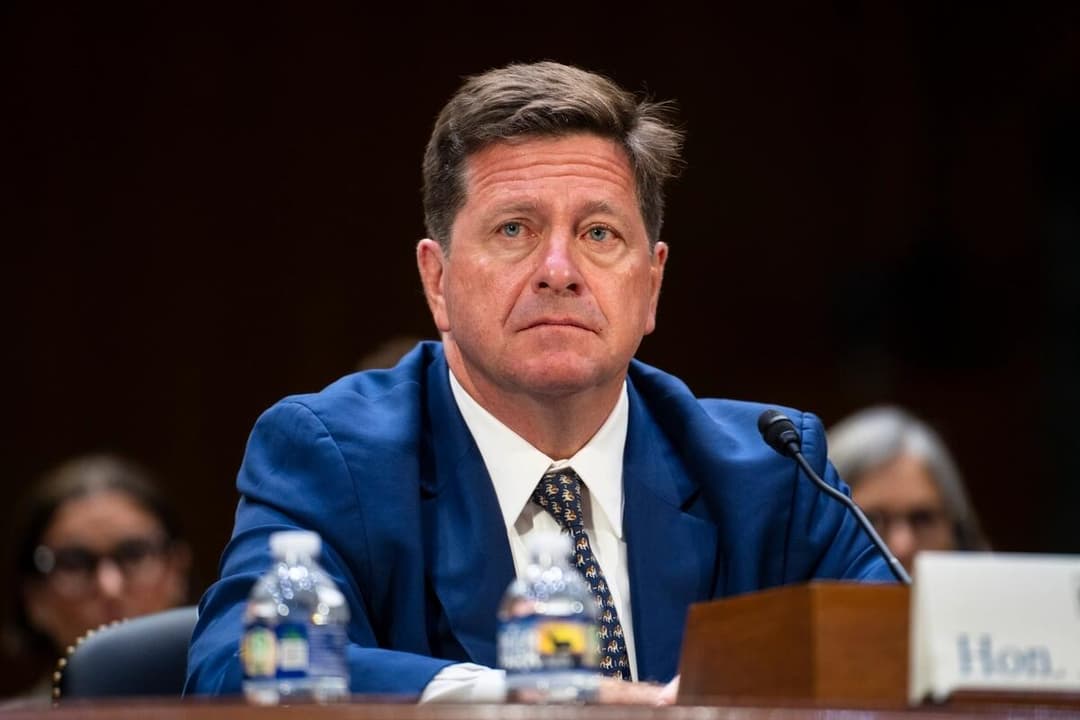
The Trump administration is warning American businesses and federal agencies that foreign espionage involving artificial intelligence poses an escalating threat to U.S. economic competitiveness and national security. Director of National Intelligence Jay Clayton cautioned that China, Russia, Iran, and North Korea possess sophisticated technological capabilities that could undermine American leadership in AI development. His warning follows the alleged placement of a covert recording device inside OpenAI‘s offices, reports of foreign intelligence operations exploiting AI platforms, and growing concerns about attacks on critical American infrastructure. The administration’s newly established Super Intelligence Force is coordinating efforts to strengthen cybersecurity, protect proprietary technology, and preserve America’s technological advantage against increasingly aggressive foreign competitors.
Key Takeaways
• Foreign Espionage Threat: U.S. intelligence officials warn that foreign adversaries are exploiting artificial intelligence to accelerate cyberattacks, conduct surveillance, and steal valuable American technological innovations.
• National Security Vulnerabilities: Recent allegations of corporate espionage, AI-assisted cyber intrusions, and Chinese efforts to extract proprietary American AI capabilities demonstrate growing risks to businesses and critical infrastructure.
• Trump Administration Response: The White House’s Super Intelligence Force is coordinating cybersecurity protections, industry cooperation, technological risk assessments, and policies intended to maintain American AI leadership.
In-Depth
Artificial intelligence has become a defining battleground for American economic security, and the Trump administration is warning that foreign adversaries intend to exploit the technology to challenge U.S. dominance.
Director of National Intelligence Jay Clayton recently cautioned that American businesses and government agencies must recognize the growing danger of AI-enabled espionage. China, Russia, Iran, and North Korea possess substantial technological capabilities, making the protection of American innovation increasingly important.
The warning follows allegations that a Saudi software engineer concealed a recording device inside an OpenAI office where confidential business and government matters were discussed. Although the allegations do not establish foreign-government direction, the incident illustrates vulnerabilities facing companies developing strategically valuable technologies.
Federal cybersecurity agencies have also identified Chinese efforts to extract proprietary capabilities from American AI models. Such operations threaten intellectual property, undermine competitive advantages, and potentially accelerate foreign military and intelligence development.
Meanwhile, AI-assisted cyberattacks are becoming more sophisticated, threatening infrastructure supporting electricity, water, communications, and national defense. These vulnerabilities demonstrate why technological leadership requires effective security rather than innovation alone.
President Trump’s newly established Super Intelligence Force seeks to coordinate federal policy, strengthen cooperation with technology companies, assess emerging risks, and examine AI’s economic consequences.
The administration faces a consequential challenge: protecting American technological superiority without imposing regulatory burdens that weaken domestic innovation. Effective safeguards must distinguish legitimate international scientific cooperation from espionage and intellectual property theft.
Ultimately, maintaining America’s AI advantage will require stronger corporate security, responsible federal oversight, and sustained investment in domestic technological capabilities. Economic prosperity and national sovereignty increasingly depend on both.
Sources
• https://www.defenseone.com/threats/2026/07/ai-labs-spies/414929/