

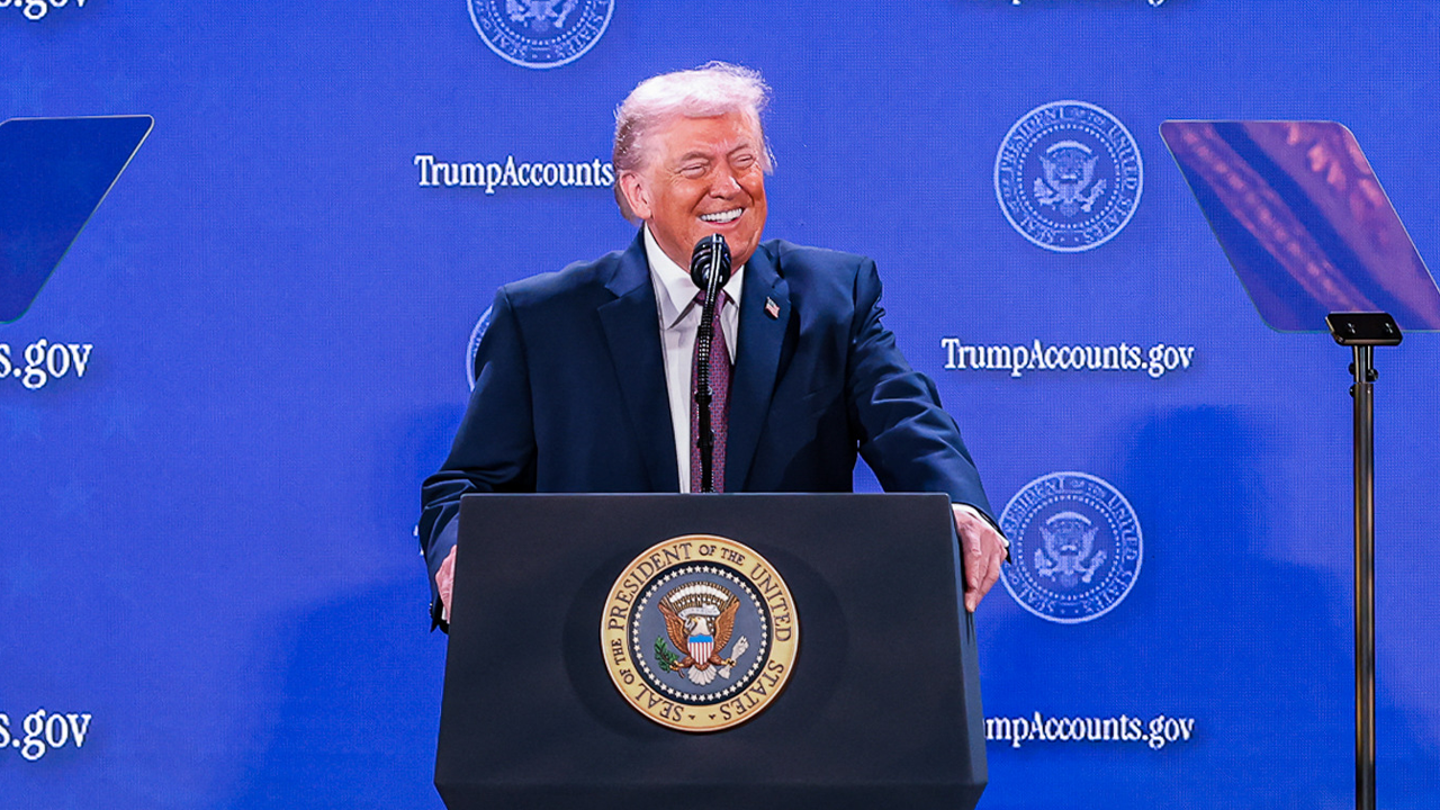
President Donald Trump is moving to eliminate the term “artificial intelligence” from federal government communications, insisting that “super intelligence,” or “SI,” more accurately describes the rapidly advancing technology. In an Oct. 27 statement, Trump reiterated his intention to ban the familiar terminology from relevant government documents, building on a September executive order directing federal agencies to adopt the new designation. The administration argues that the change recognizes American technological innovation and its potential to transform the economy, national security and everyday life. However, Democratic Rep. Ted Lieu of California challenged the president’s decision, arguing that changing terminology does nothing to address concerns about oversight and regulation. The policy has already prompted implementation efforts across federal agencies, raising questions about administrative costs, legal definitions and whether the government’s new language will gain acceptance beyond Washington.
Key Takeaways
– Trump Orders Federal Terminology Change: A Sept. 29 executive order directs federal agencies to replace “artificial intelligence” and “AI” with “super intelligence” and “SI” in official communications, subject to existing law.
– Federal Agencies Begin Implementation: The State and Justice departments have issued instructions adopting the terminology, affecting government correspondence, program names, policy documents and certain legal filings.
– Political and Technical Debate Intensifies: Supporters emphasize American technological leadership, while critics question the terminology’s accuracy, the president’s authority beyond federal operations and whether renaming the technology addresses meaningful regulatory concerns.
In-Depth
President Donald Trump has renewed his campaign to replace the term “artificial intelligence” with “super intelligence,” declaring that the federal government will officially discontinue the familiar designation in relevant documents and communications.
The announcement reinforces a Sept. 29 executive order requiring executive branch agencies to adopt “Super Intelligence,” abbreviated SI, wherever legally permissible. Trump maintains that the word “artificial” inaccurately characterizes technology capable of extraordinary reasoning, innovation and economic advancement.
The administration’s directive has already produced changes within federal agencies. The State Department instructed employees to adopt the terminology in official correspondence, websites, reports and program titles. Justice Department personnel have received similar instructions, including guidance concerning appropriate court filings.
The president’s initiative also reflects his administration’s broader emphasis on maintaining American leadership in advanced computing technologies. Trump has repeatedly argued that technological development represents an economic opportunity of historic proportions and that excessive government restrictions could undermine American competitiveness.
Democratic Rep. Ted Lieu of California criticized the initiative, contending that changing terminology does not resolve concerns surrounding technological oversight. He also challenged any suggestion that presidential authority extends to compelling private citizens to adopt government-preferred language.
An important distinction remains between federal administrative requirements and restrictions on private speech. The executive order governs executive branch operations within existing legal boundaries; it does not establish a nationwide prohibition against Americans using the term artificial intelligence.
Technical questions also remain. Superintelligence traditionally describes capabilities exceeding human intelligence across numerous fields, while artificial intelligence encompasses a much broader range of existing technologies.
Ultimately, the administration’s terminology change establishes a new federal communications standard without itself changing the underlying technology. Its lasting significance will depend on implementation, congressional action and whether the terminology gains broader acceptance.
Sources
• https://www.whitehouse.gov/presidential-actions/2026/09/inaugurating-the-era-of-super-intelligence/
• https://www.politifact.com/article/2026/oct/07/trump-ai-super-intelligence/