

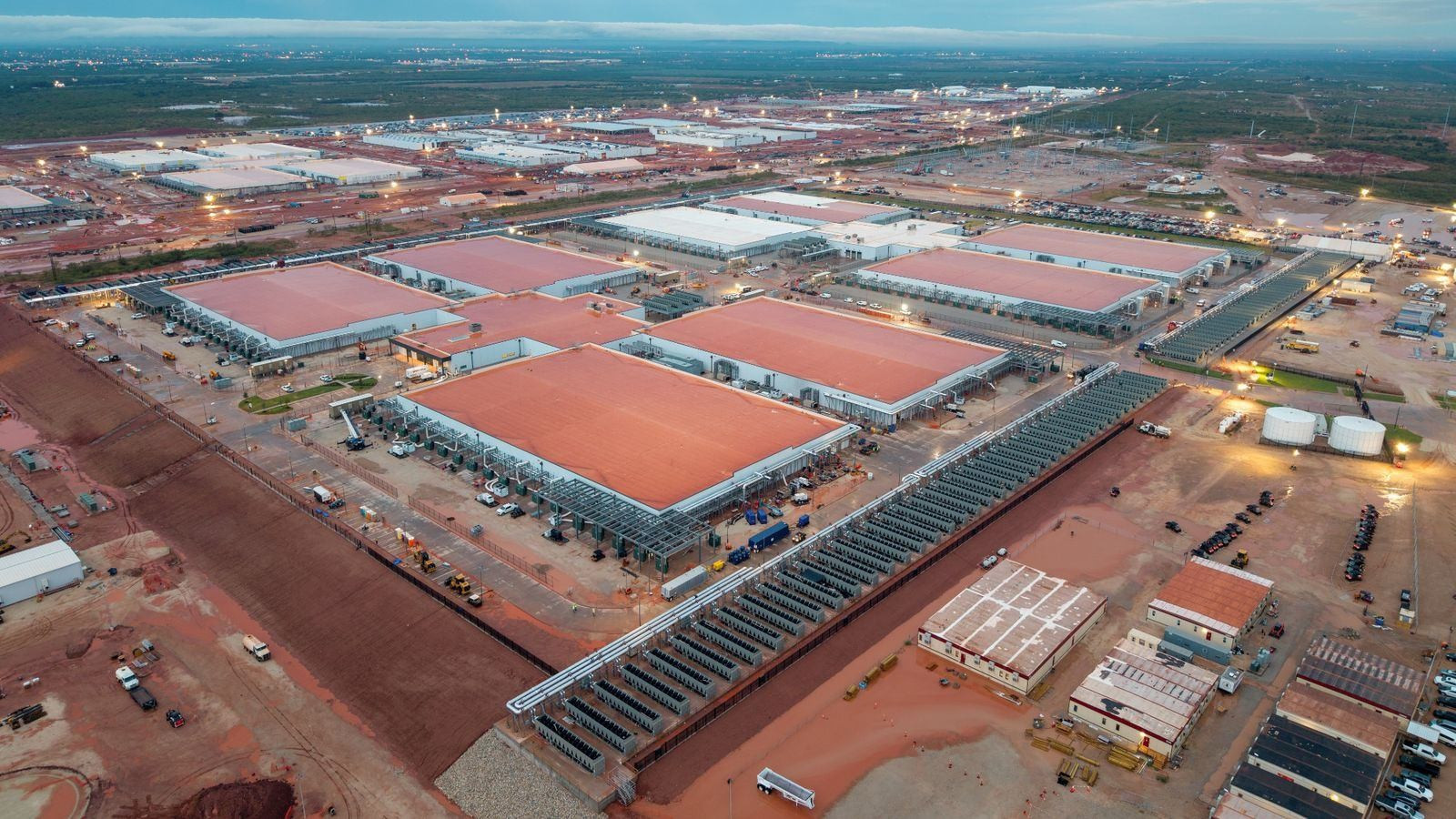
Technology companies and investors financing America’s rapidly expanding data center industry are increasingly monitoring local government meetings to identify communities most receptive to new construction. Hamlet, a technology startup, has analyzed tens of thousands of city council meetings, using automated tools to classify public comments as supportive or opposed to proposed developments. The company’s paying customers include a major data center investment fund and a developer seeking early warnings of political resistance, zoning restrictions and construction moratoriums. The practice reflects growing opposition to massive data centers over electricity costs, water consumption, land use and government transparency. As communities increasingly challenge projects that could reshape their neighborhoods, developers are treating local political sentiment as a measurable financial risk, raising questions about whether sophisticated corporate intelligence could give well-funded interests an advantage over ordinary residents in local development decisions.
Key Takeaways
• Corporate Monitoring: Data center developers and investors are purchasing intelligence derived from public government meetings to identify favorable locations and anticipate community opposition.
• Growing Local Resistance: Residents across the country are challenging data center construction over electricity rates, water demands, property impacts and concerns about inadequate public oversight.
• Local Control at Stake: Automated monitoring of public testimony gives developers a strategic advantage, intensifying questions about transparency, property rights and whether local governments are adequately protecting taxpayers.
In-Depth
America’s expanding artificial intelligence industry is adopting a new strategy for locating massive data centers: monitoring what citizens tell their local governments before deciding where to build. Technology startup Hamlet has analyzed tens of thousands of public meetings, identifying communities where opposition could threaten construction plans or investment returns.
The company’s technology examines recorded government proceedings and categorizes comments according to their support for or opposition to proposed developments. Its customers include a major investment fund financing data centers and a developer seeking advance warning of restrictive zoning measures or construction moratoriums.
The practice underscores an increasingly contentious struggle between corporate expansion and local self-government. Across the country, residents are questioning whether the economic benefits promised by technology companies justify enormous electricity demands, water consumption, industrial noise and potential impacts on surrounding property.
Local governments are responding. Charlotte, North Carolina, established a temporary data center moratorium while officials evaluated development policies and gathered public input. Madison, Wisconsin, likewise imposed restrictions on zoning approvals for large data centers.
Meanwhile, monitoring platforms are turning public testimony into commercially valuable intelligence. Although government meetings are public records, automated analysis allows well-financed developers to assess political resistance across numerous jurisdictions before residents even know their communities are under consideration.
The underlying issue extends beyond technology infrastructure. Private investment and economic development remain essential, but neither should override property rights, transparent decision-making or responsible stewardship of taxpayer resources.
As data center construction accelerates, communities face a fundamental question: Will local development decisions reflect the interests of residents who bear the consequences, or the strategic calculations of corporations equipped to identify the path of least political resistance?
Sources
• https://dataphoenix.info/news/hamlet-public-meeting-data-center-rankings
• https://gathergov.com/articles/inside-the-public-opposition-against-hyperscalers
• https://www.charlottenc.gov/City-News/data-center-engagement-opportunities
• https://www.cityofmadison.com/dpced/about/temporary-data-center-moratorium
• https://www.csmonitor.com/Environment/2026/0624/data-center-elections-republicans