

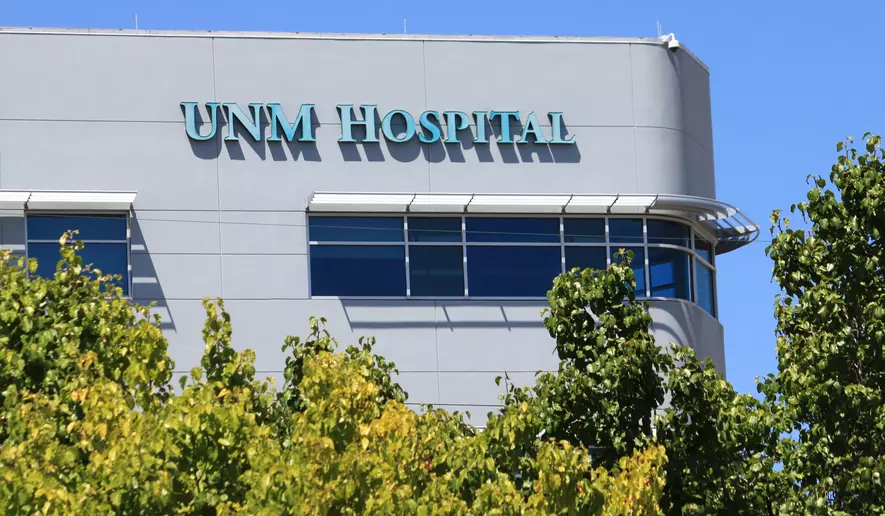
A major cybersecurity attack disrupted the University of New Mexico Health System on Oct. 26, 2026, forcing ambulance diversions, canceling appointments at more than 30 clinics and temporarily compromising access to the state’s only Level 1 trauma center. The incident affected the entire University of New Mexico Health Sciences Center, prompting officials to suspend outpatient procedures, cancel classes and send nonessential personnel home. Hospital employees reported computer messages claiming that sensitive patient, student and employee information had been stolen, although those claims remained unverified. Federal law enforcement joined the investigation as neighboring hospitals absorbed additional patients. While medical operations began recovering later that day and scheduled appointments resumed Oct. 27, the disruption exposed the vulnerability of essential health care infrastructure to cybercriminals and raised serious questions about cybersecurity preparedness, emergency contingency planning and the protection of confidential medical information.
Key Takeaways
– Critical medical services disrupted: The cyberattack forced ambulance diversions, canceled outpatient surgeries and appointments, and temporarily disrupted access to New Mexico’s only Level 1 trauma center, placing additional pressure on neighboring hospitals.
– Sensitive information potentially compromised: Employees reported messages claiming patient, student and employee data had been stolen. Federal authorities launched an investigation, but the extent of any confirmed data breach remained unclear.
– Hospital cybersecurity demands greater accountability: Although operations began recovering within hours, the incident demonstrated how digital vulnerabilities can threaten essential medical services and underscored the need for stronger security safeguards, independent oversight and reliable emergency response systems.
In-Depth
A cybersecurity attack against the University of New Mexico Health System on Oct. 26 exposed a troubling weakness in America’s critical medical infrastructure, forcing one of the Southwest’s most important hospital networks to interrupt essential services and redirect emergency patients elsewhere.
The disruption affected the University of New Mexico Hospital in Albuquerque, which operates the state’s only Level 1 trauma center. The hospital system handles approximately 900,000 outpatient visits and 100,000 emergency department visits annually, making its uninterrupted operation essential to residents throughout the region.
As cybersecurity personnel worked to contain the threat, officials diverted ambulances, canceled appointments at more than 30 clinics and suspended outpatient surgeries. Presbyterian Healthcare Services and Lovelace Health System coordinated with university officials to accommodate additional patients during the emergency.
The attack extended beyond clinical operations. Classes at the university’s health sciences schools were canceled, nonessential personnel were instructed to leave campus, and employees reportedly received instructions to disconnect computers and mobile devices from hospital networks.
More concerning were reports from employees describing computer messages claiming that sensitive patient, student and employee information had been stolen. Those allegations had not been independently verified, and officials declined to discuss specific investigative findings. The FBI confirmed its involvement in assisting the investigation.
Hospital operations began recovering in phases Monday afternoon, with scheduled appointments and procedures resuming Tuesday. Nevertheless, the incident highlighted the consequences of allowing essential medical services to depend heavily on potentially vulnerable digital infrastructure.
The episode also raises legitimate questions about institutional accountability. Hospitals entrusted with public safety and confidential medical records have a responsibility to maintain effective cybersecurity defenses, independently tested contingency plans and procedures capable of sustaining emergency treatment when technology fails.
For policymakers, the lesson extends beyond New Mexico. Protecting critical health care infrastructure requires measurable security standards, responsible oversight and contingency systems that preserve patient care regardless of whether an attack originates with criminal organizations or other malicious actors.
Sources
• https://therecord.media/university-of-new-mexico-hospital-diverts-cyber-incident
• https://apnews.com/article/new-mexico-health-cybersecurity-hack-7a3593f8a3cee4ca895774ab1574919f