

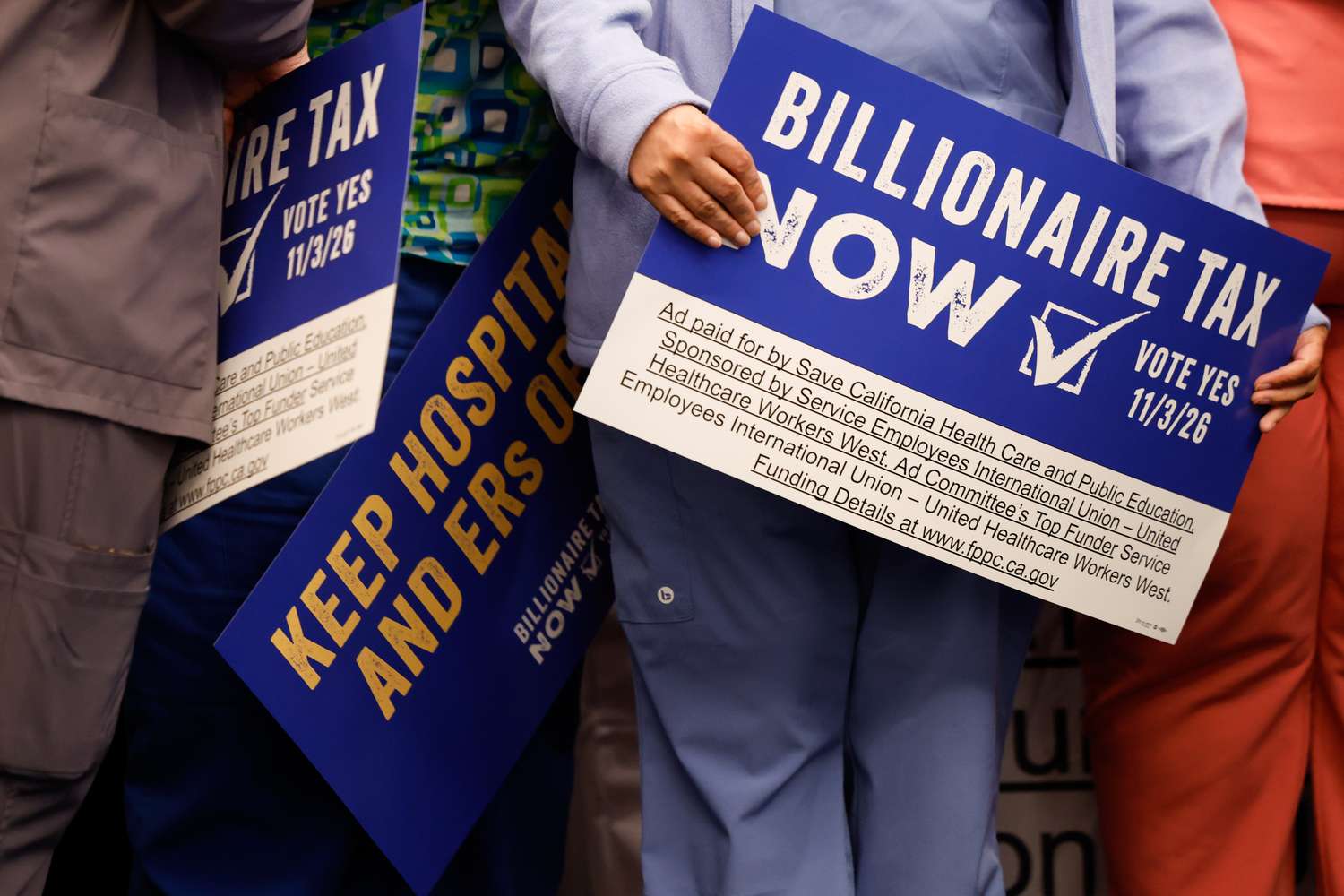
California’s contentious billionaire tax campaign has expanded into social media, where political organizations are paying influencers to promote competing ballot measures ahead of the November election. Proposition 40 would impose a one-time 5% tax on the assets of approximately 200 California billionaires, primarily to support health care, while Propositions 41 and 42 could effectively block the tax. Opponents of the wealth tax and supporters of competing measures have raised more than $350 million, dramatically outspending the tax’s supporters. Both sides are recruiting social media personalities, including parenting bloggers, educators and political commentators, to deliver sponsored messages to millions of followers. The growing practice raises concerns about transparency, political manipulation and whether voters can distinguish authentic personal opinions from paid political advertising. California recently strengthened disclosure requirements, authorizing fines of up to $5,000 per post for influencers who fail to identify campaign compensation.
Key Takeaways
• Political Influence for Sale: Both sides of California’s billionaire tax fight are paying social media personalities to promote their positions, with political influencer compensation potentially reaching $30,000 per post.
• Billion-Dollar Election Environment: California political advertising spending could approach $1 billion in 2026, while opponents of Proposition 40 and supporters of competing measures have amassed more than $350 million to influence the outcome.
• Transparency and Voter Protection: California now requires disclosure of compensated political endorsements, with penalties reaching $5,000 per undisclosed post, as concerns grow over disguised advertising and conflicting messages reaching voters.
In-Depth
California’s battle over taxing billionaires has become a lucrative opportunity for social media influencers, with political campaigns paying online personalities to shape public opinion ahead of November’s election. The controversy centers on Proposition 40, which would impose a one-time 5% wealth tax on approximately 200 billionaires.
Opponents argue the proposal threatens investment, employment and California’s economic competitiveness. Supporters contend the revenue would help finance essential health care services. Competing Propositions 41 and 42 could undermine the tax even if voters approve it.
Campaign organizations are recruiting influencers whose audiences traditionally follow parenting advice, entertainment and lifestyle content rather than politics. Their established relationships with followers allow political advertisements to resemble ordinary personal recommendations, potentially obscuring the financial interests behind those endorsements.
The financial stakes are considerable. Opponents of the billionaire tax and supporters of competing measures have raised more than $350 million, while statewide political advertising expenditures could approach $1 billion. Some influencers reportedly command payments reaching $30,000 per sponsored political post.
California has responded with stricter disclosure requirements, including penalties of up to $5,000 for undisclosed paid political content. Nevertheless, transparency remains difficult when personalized algorithms deliver different political narratives to individual voters.
The controversy exposes a broader problem in modern elections: Political persuasion increasingly operates through trusted online personalities rather than clearly identifiable campaign advertisements. Regardless of whether voters favor higher taxes or economic restraint, informed self-government requires knowing who finances political messages.
As campaigns increasingly purchase influence through social media, California’s experience demonstrates why disclosure, independent scrutiny and voter skepticism remain essential safeguards against political manipulation.
Sources
• https://www.theguardian.com/news/ng-interactive/2026/oct/16/billionaires-fight-california-prop-40
• https://www.sfchronicle.com/california/article/billionaire-tax-tech-21266647.php