

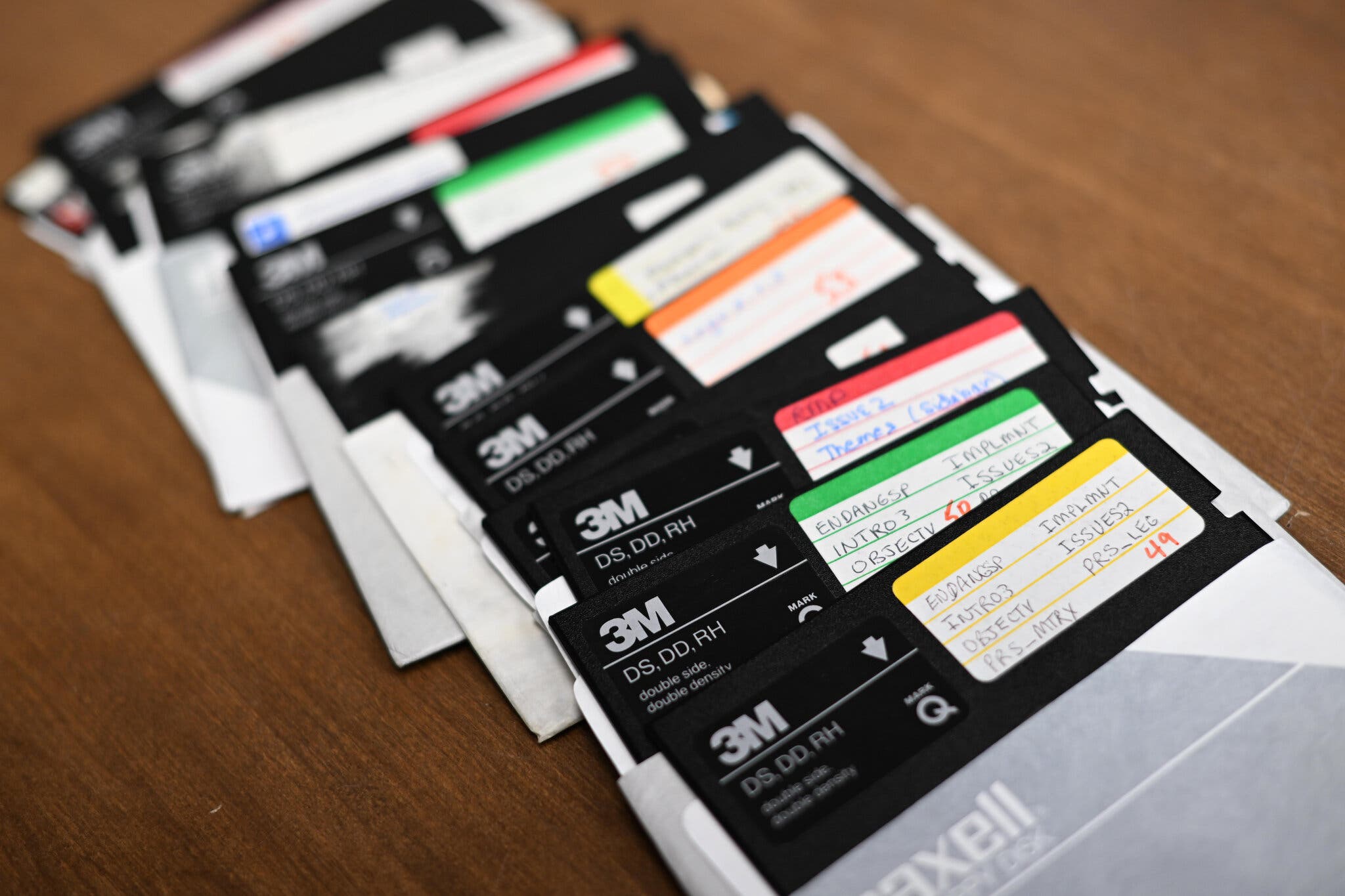
- The Federal Aviation Administration will replace decades-old floppy-disk technology at 435 air traffic control facilities by the end of 2028.
- A new digital system will consolidate critical weather information, flight alerts and airspace restrictions, improving operational efficiency and aviation safety.
- Congress has committed $12.5 billion to air traffic control modernization, but federal auditors warn that inadequate cost estimates and scheduling could threaten the broader overhaul.
The Federal Aviation Administration plans to retire floppy-disk-dependent equipment at 435 air traffic control facilities nationwide by the end of 2028, replacing four aging information systems with a unified digital platform. The Enterprise Information Display System will give controllers quicker access to weather conditions, equipment problems, flight advisories and airspace restrictions. Initial installations are planned for airports in Atlantic City, New Jersey; Nashville, Tennessee; and Rochester, New York, alongside processing centers in Atlanta and Salt Lake City.
The upgrade forms part of a broader effort to modernize an aviation network burdened by decades-old technology, communications failures and staffing shortages. Congress approved $12.5 billion for improvements in 2025, while Transportation Secretary Sean Duffy is seeking additional funding. Recent cable failures have disrupted flights, underscoring the system’s vulnerabilities. Federal auditors also warn that the modernization program lacks comprehensive cost estimates and an integrated schedule, raising questions about its affordability and timely completion.
Why It Matters
Americans depend on air traffic controllers to manage one of the world’s busiest aviation systems, yet some essential information still travels through technology associated with the 1980s. Replacing obsolete equipment is not a luxury or a partisan achievement. It is a responsibility of government, especially when unreliable infrastructure can disrupt commerce, strand passengers and complicate decisions affecting flight safety.
The modernization effort also presents a test of fiscal discipline. Congress has already committed billions, and federal officials want billions more, but auditors have identified shortcomings in cost projections and scheduling. Taxpayers deserve measurable milestones, transparent spending and proof that new equipment works before another round of appropriations becomes routine. Modern displays alone cannot repair every communications vulnerability or solve controller shortages. Washington should prioritize reliable infrastructure, oversight and operational results over celebratory announcements. The measure of success will be safer, dependable air travel, not the number of outdated machines discarded.
Sources
- https://www.nytimes.com/2026/11/06/us/faa-floppy-disks-atc-2028.html
- https://www.faa.gov/newsroom/trumps-transportation-secretary-sean-p-duffy-begins-retiring-decades-old-floppy-disks-air
- https://avweb.com/aviation-news/faa-replacing-floppy-disks-atc-upgrade/
- https://www.gao.gov/assets/gao-26-107992.pdf
- https://www.investing.com/news/stock-market-news/us-faa-says-it-will-phase-out-floppy-disks-from-air-traffic-control-by-2028-5005299