

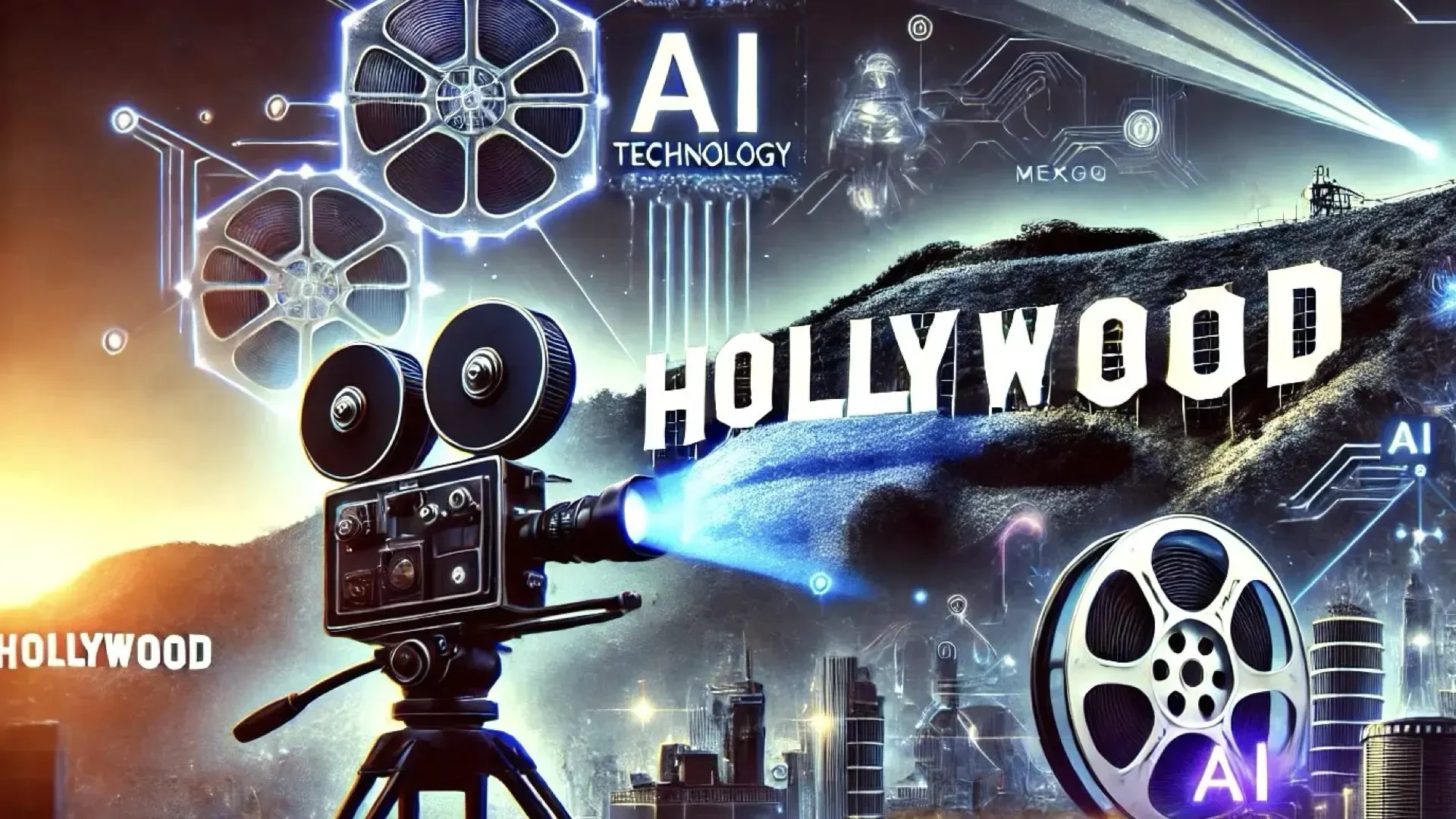
Artificial intelligence has quietly slid into Hollywood’s creative toolkit, and at the center of that shift lies Stability AI—purchased last year out of desperation and repurposed to serve the entertainment industry with previsualization and visual-effects tools, now guided by new leadership including Prem Akkaraju and Sean Parker alongside board members like James Cameron; meanwhile, platforms like Runway and Moonvalley are already striking studio deals, and even Netflix has admitted to using AI-generated footage, signaling that the film and TV business is embracing generative technology—not with fanfare, but as an operating necessity.
Sources: Wired, Business Insider
Key Takeaways
– Stability AI transformed to fit Hollywood needs, shifting from a struggling startup to a content-production partner under new leadership—ushering in a behind‑the‑scenes integration of generative tools.
– Hollywood’s experimentation with AI spans from festival showcases to streaming usage, with both creative excitement and skepticism emerging around the originality, aesthetic quality, and philosophical implications of AI-generated storytelling.
– Industry voices—like David Ellison—hint at cautious optimism, framing AI as a means of enhancing creativity and operational efficiency, especially for expensive blockbusters, rather than replacing human storytellers.
In-Depth
Artificial intelligence has slipped into Hollywood in quiet but significant ways, and its arrival is no surprise—it’s already in productive, albeit controversial, use. At the hub of this transformation is Stability AI, once on the brink of collapse, now under new guard and reformed with an eye toward film production. Backed by figures like James Cameron, the company has shifted to offer tools tailored to previsualization and visual effects, signaling a subtle yet real industry pivot.
Meanwhile, experimental showcases—like the AI Film Festival touring IMAX venues—offer glimpses of what’s possible: imaginative projects that prove AI can inspire, albeit not without critique. Some works surprise with genuine inventiveness, while others fall flat, leaving audiences to weigh whether these are signs of bold potential or a cautionary glimpse into bland replication.
Amid the debate, industry leaders like David Ellison of Paramount Skydance adopt a hopeful yet measured tone, invoking the rise of 3D from the ‘90s to suggest that AI may spark a similar renaissance—not by supplanting human creativity, but by empowering storytellers to work smarter and bolder. He suggests AI could streamline heavy technical work, making way for braver, more daring narratives without sidelining the artist.
In short, Hollywood isn’t wrestling with AI’s arrival—it’s co-writing with it, tentatively and deliberately. The balance strikes between efficiency and authenticity, and as the dust settles, it’s clear that AI is a co-author—not a usurper.