

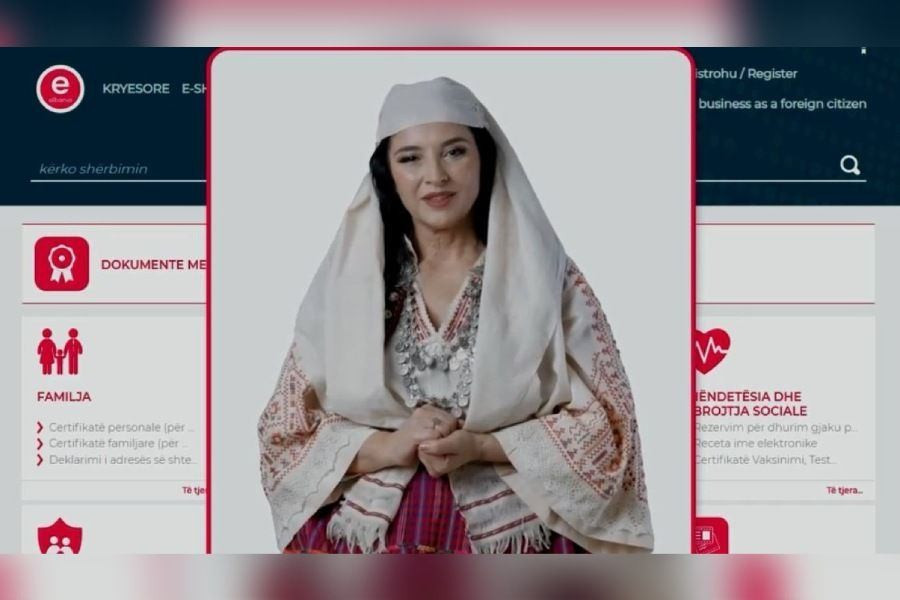
Albania has made history by appointing Diella, an artificial intelligence-generated virtual minister, to take charge of the nation’s public procurement system in a bid to combat endemic corruption and enhance transparency in government contracts. Prime Minister Edi Rama introduced Diella — whose name means “sun” — in September 2025 as a cabinet‐level “minister for public procurement,” though she doesn’t have a physical presence. Previously serving as a virtual assistant on the government’s e-Albania platform since January, Diella assisted citizens with document processing and access to state services. Now her responsibilities will expand into awarding tenders, with Rama promising that public tenders will be “100% free of corruption.”
Sources: Reuters, The Guardian, Al Jazeera
Key Takeaways
– Transparency & Corruption Reform Drive: Diella’s appointment reflects Albania’s effort to reduce the risk of bias, bribery, and favoritism in public tender processes by replacing human discretion (or at least reducing it) in key procurement decisions.
– Legal, Ethical, and Oversight Concerns: Questions remain about the legal status of an AI minister, how accountability is structured, and whether safeguards will be strong enough to prevent misuse, bias, or external manipulation of the system.
– EU Accession Stakes: Albania is under pressure to meet European Union standards in governance, anti-corruption, and rule of law. This AI innovation is likely part of its strategy to show reform progress to EU institutions, though success will depend not only on technical deployment but also on institutional credibility and public trust.
In-Depth
Albania’s bold move to appoint Diella — an artificial intelligence system — as a virtual minister for public procurement marks an unprecedented experiment in governance. The aim is straightforward: cut out human corruption, make tendering processes completely transparent, and thereby restore confidence in Albania’s public contracting.
Diella was introduced in January 2025 as part of Albania’s e-government platform, e-Albania, helping citizens with documents, services, and navigation of bureaucratic processes. Now, her role has been elevated: she will assess and award public tenders, which traditionally have been among the most corruption-prone arenas in many countries, including Albania. Prime Minister Edi Rama has framed this as a leap forward — not just technologically but politically. He promises public tenders will become “100% free of corruption,” signaling a zero-tolerance approach.
Yet, the move is as much symbolic as it is practical. Many in the public and legal sectors are asking difficult questions. What is Diella’s legal status in a country whose constitution and legal framework have always assumed human ministers, human accountability, political oversight? Will there be adequate checks, audit trails, transparency of algorithms? How will biases in training data or potential manipulation be guarded against? Without solid oversight, even AI systems can become tools of misuse.
Furthermore, the timing connects directly to Albania’s EU accession ambitions. The European Union demands strong anti-corruption measures, rule of law, and public trust. Diella could help signal that Albania is serious. But the EU will also be watching not just the announcement, but the implementation, consistency, and whether citizens feel fair treatment. If Diella can deliver tendering that is swift, transparent, and visibly fair, she may become a model for other countries. But the stakes are high — errors, lack of clarity, or perceived unfairness could backfire, strengthening skepticism toward the whole AI-in-governance movement.
Time, oversight, and trust will determine whether Diella is a breakthrough or merely a bold experiment.