

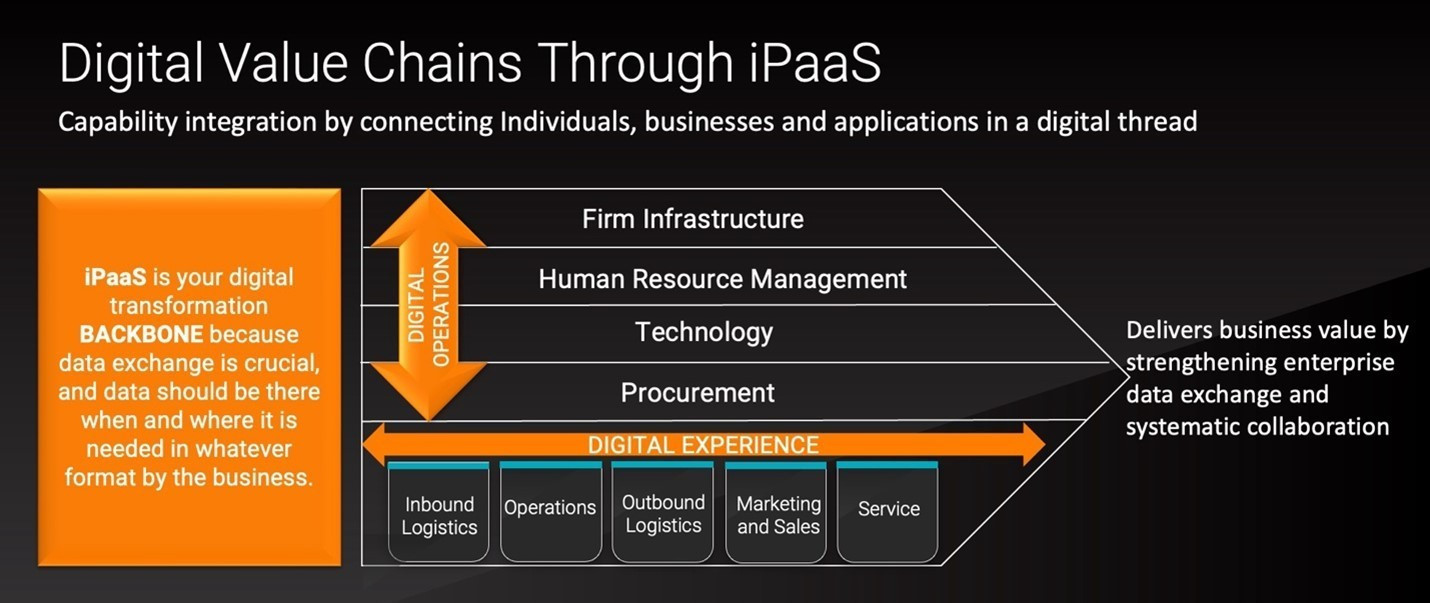
In the September–October 2025 issue of Harvard Business Review, Antonio Moreno argues that the long-running trend of unbundling business operations has entered a bold new phase: digital integration is enabling real-time, cross-company workflows via APIs that cut coordination costs and power distributed value creation. Using examples like cloud kitchens, Moreno shows how hyperspecialists and orchestrators are emerging—small players can now leverage capabilities once exclusive to large firms, and orchestrators knit these services into seamless offerings.
Sources: Harvard Business Review. Zinio.com, Harvard Business School
Key Takeaways
– Workflow on Demand – APIs allow firms to integrate and share processes in real time, reducing friction and operational overhead.
– Specialist Ecosystems – Digital integration enables hyperspecialists to focus deeply on niche capabilities while orchestrators combine those for full offerings.
– Equal Opportunity at Scale – With digital infrastructure, smaller firms can access advanced services that once belonged only to industry giants.
In-Depth
Digital integration isn’t just a fancy IT upgrade—it’s becoming the nervous system of modern value chains. In his Harvard Business Review essay, Antonio Moreno shows that APIs aren’t just tools—they’re enablers of real-time, cross-organizational orchestration. That means workflows can move seamlessly from one firm to another, cutting down on coordination costs while boosting responsiveness and reach.
He highlights two innovations reshaping business: hyperspecialists who focus on ultra-niche functions, and orchestrators who assemble those parts into complete services. Think cloud kitchens, logistics platforms, or even micro-fulfillment services—they rely on connectivity to function. For smaller players, this is huge. The cost and complexity of doing business used to demand scale; now, connected infrastructure levels that playing field.
This is more than a technological shift—it’s a competitive one. Leaders don’t win by owning everything; they win by connecting the right capabilities at the right time. And that might just be the biggest legacy of digital integration: it blurs industry boundaries while amplifying opportunities—for firms that can adapt.