

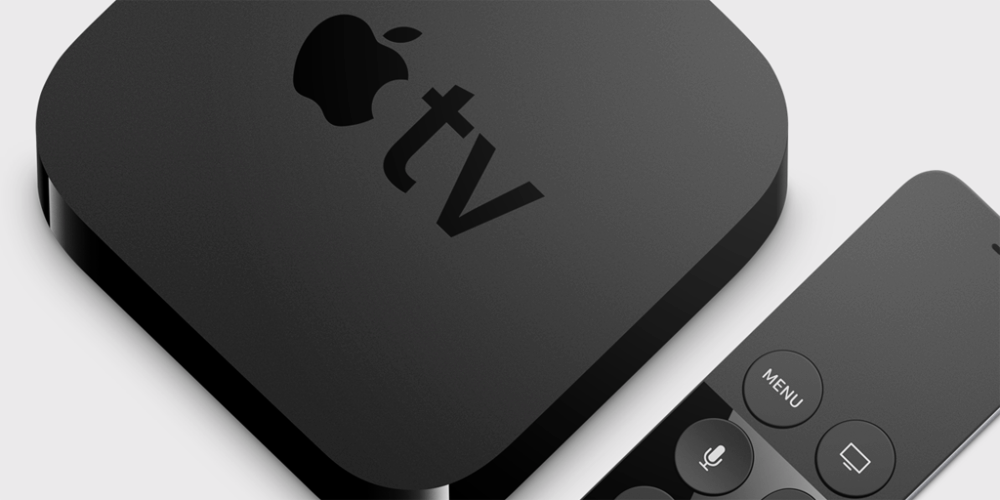
Apple has rebranded its streaming platform from Apple TV+ to simply Apple TV, unveiling the shift quietly via a press release tied to the December 12 debut of F1: The Movie. This change consolidates the naming of Apple’s streaming service with its existing “Apple TV” hardware and app, raising concerns about potential brand confusion. The move follows a recent 30 percent price hike (from $9.99 to $12.99/month) and comes amid questions about timing and rollout details—Apple has not yet updated its website or confirmed whether app or device branding will change. Branding experts suggest the simplification aligns with how people already refer to the platform and underscores Apple’s confidence in its ecosystem.
Sources: Variety, Business Insider
Key Takeaways
– Apple’s rebrand drops the “+” and unifies the streaming service name with its existing app and hardware, tightening total brand alignment.
– The rebrand comes immediately on the heels of a significant subscription price increase, likely intended to reinforce value perception.
– Lack of clarity around rollout timing and overlap between product names may sow user confusion during transition.
In-Depth
Apple’s decision to drop the “+” from its streaming service is a bold bet that less is more. By renaming Apple TV+ to Apple TV, the company seeks to unify its ecosystem—hardware, app, and streaming—in a cleaner, more cohesive way. After all, consumers have already been colloquially referring to all of it simply as “Apple TV,” making the plus-sign branding feel extraneous. Branding strategists view this as a savvy move: when a name is already ingrained in public perception, formalizing it can reduce friction and strengthen brand identity.
The timing isn’t accidental either. Just weeks ago, Apple bumped its monthly subscription from $9.99 to $12.99—a 30 percent increase for new customers (while keeping annual and bundle pricing unchanged). This repositioning suggests Apple is leaning harder on premium messaging: the service is no longer a “plus” perk but a core product in its portfolio. The name change helps underscore that shift.
Still, Apple mixed subtlety and ambiguity in its rollout. The rebrand was buried within a press release about F1: The Movie, and as of now, many of Apple’s digital touchpoints still carry the old “Apple TV+” branding. That overlap—between the streaming service, the Apple TV app, and the Apple TV hardware—can create confusion. Which “Apple TV” is being referenced? The rebrand’s success may hinge on how quickly Apple can update its logos, marketing, and user interfaces to clarify which “Apple TV” is meant in which context.
At a macro level, the move also places Apple more firmly in line with a broader branding trend: simplifying names to reflect maturity. Similar efforts have occurred at other streamers (some reversing later), and Apple may hope this reinforces its status not just as an add-on service but as a fundamental pillar in its ecosystem. For loyal users, it’s a subtle shift; for prospects, it may signal a more confident, unified brand pushing forward.