

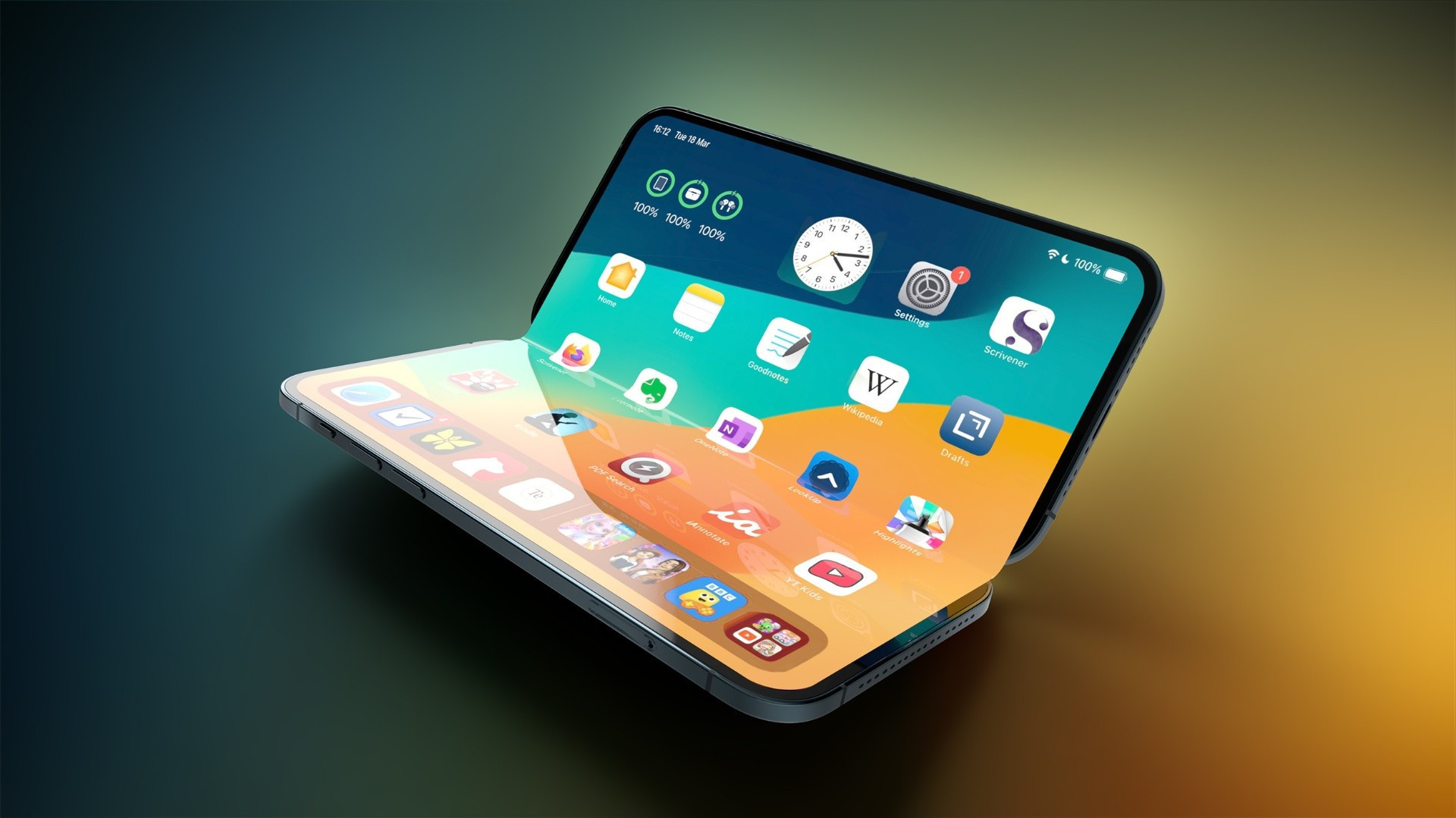
Apple is poised to shake up its smartphone lineup in a bold three‑year redesign strategy, kicking off with a slimmer iPhone Air in 2025 and culminating in a foldable “iPhone Fold” in 2026 that prominently brings back Touch ID, incorporates four cameras, and ditches the SIM slot for eSIM‑only connectivity—all wrapped in a sleek, book-style form factor with a crease‑minimized display. Multiple reports, including Bloomberg via 9to5Mac, Tom’s Guide, MacDailyNews, and others, emphasize the device’s thinness (around 9–9.5 mm folded), reliance on Apple’s in‑house C2 modem, and striking black‑and‑white color options, signaling a pragmatic yet innovative return to fingerprint authentication in light of spatial constraints that make Face ID impractical.
Sources: Mac Daily News, 9to5MMac, Tom’s Guide
Key Takeaways
– Touch ID returns via a side-mounted fingerprint sensor to preserve slimness and avoid the bulky TrueDepth hardware required for Face ID.
– Quad-camera design: one on the front cover display, one on the inside, and two on the back—supporting both folded and unfolded use cases.
– No physical SIM slot—the device will rely entirely on eSIM and Apple’s own C2 modem, aligning with industry trends and slimming the device further.
In-Depth
Apple appears to be embracing practicality wrapped in innovation with its upcoming foldable iPhone. By ditching Face ID and reviving Touch ID via a sleek side button, Apple recognizes the physical constraints of a foldable design and adapts its authentication strategy accordingly. Patents and leaks suggest the device will measure around 9 to 9.5 mm when folded, making the bulkier TrueDepth system a poor fit—and Touch ID the logical, secure workaround.
Moreover, the quad-camera layout makes the device highly versatile. Users can snap photos whether the phone is closed, tented, or fully unfolded, doubling as both a compact device and a mini tablet. With Apple’s in-house C2 modem and eSIM-only setup, the design saves space otherwise taken by a SIM tray—evidencing Apple’s determined pursuit of efficiency.
The rumored price bracket ($1,800 to $2,500) places it firmly in the premium segment, signaling Apple’s confidence in its loyal user base’s willingness to invest in cutting-edge hardware. Yet beyond novelty, this foldable iPhone is a calculated move to reinvigorate consumer interest in iPhones, where incremental updates no longer resonate as strongly. If executed with the finesse expected of Apple, this device could become the foldable standard—much like how Touch ID and Apple Pay became ubiquitous.