

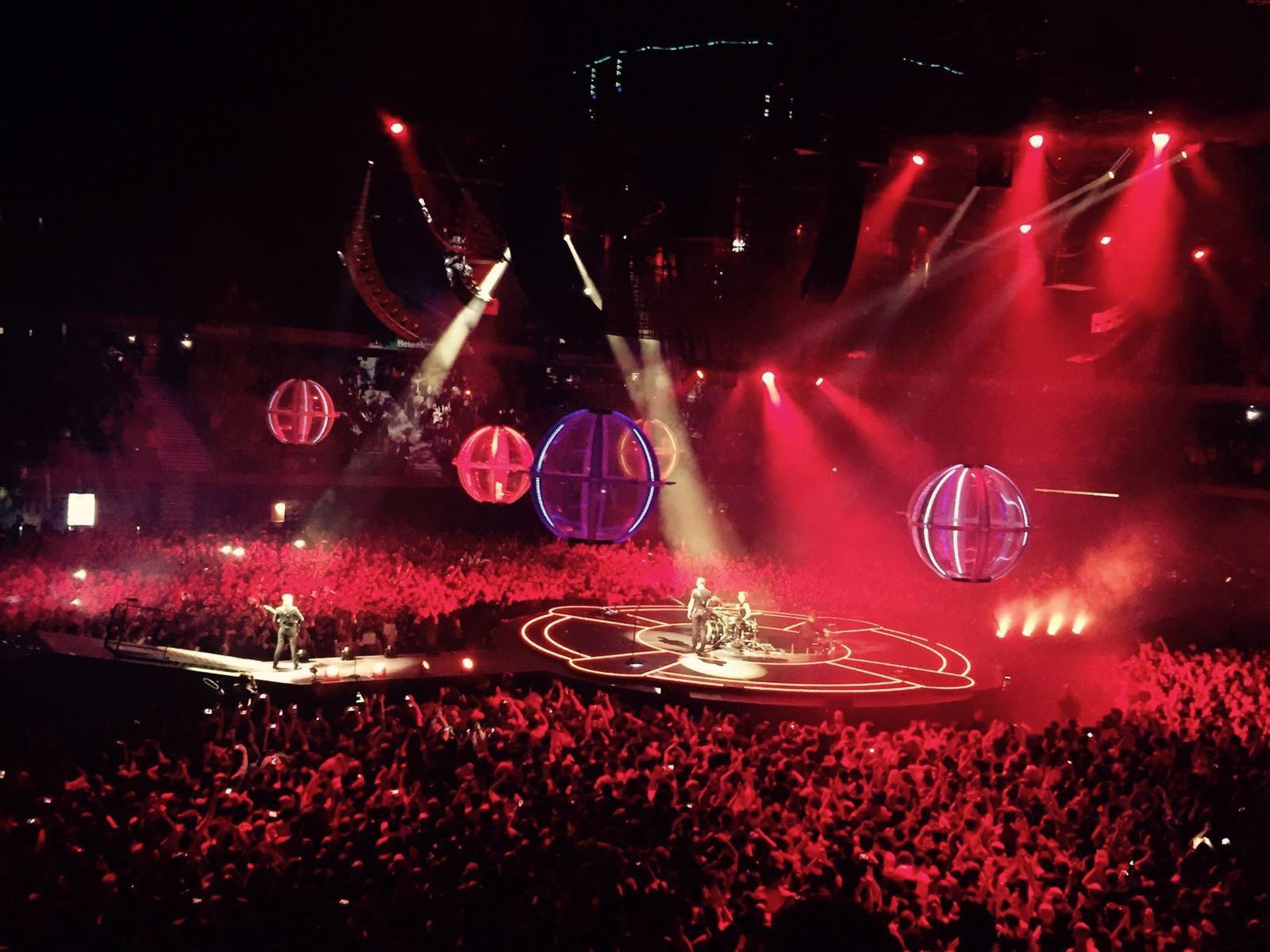
Live Nation CEO Michael Rapino recently stirred up controversy by stating that concert tickets have long been “underpriced,” asserting that despite rising costs, the current average ticket price—he claims $72—is still well below what the market will bear. Rapino justifies potential future hikes by pointing to increasingly elaborate production demands for modern shows. Meanwhile, Ticketmaster and Live Nation are under renewed legal pressure: the FTC and several states filed suit accusing them of colluding with ticket brokers and hiding fees from consumers. As fans bristle at steep resale markups and opaque pricing structures, artists like Neil Young are rejecting dynamic pricing outright, opting instead to keep ticket costs stable and predictable.
Sources: MusicRadar, Rolling Stone Magazine
Key Takeaways
– Rapino’s claim that tickets are “underpriced” clashes sharply with fan and regulatory sentiment around hidden fees and inflated resale costs.
– The FTC lawsuit alleges collusion between Live Nation/Ticketmaster and brokers to circumvent artist limits and inflate prices.
– Some artists are pushing back — Neil Young, for example, is rejecting dynamic pricing as unfair to fans.
In-Depth
When a major industry figure claims the product his company sells is undervalued, it’s bound to ruffle feathers—and that’s exactly what’s happening. Michael Rapino, CEO of Live Nation (Ticketmaster’s parent), recently said that despite growing complaints over concert costs, ticket prices have remained too low for too long. He argues that as shows become ever more elaborate—with massive stage setups, lighting, special effects, and transportation—the floor for what counts as a “reasonable” ticket should shift upward. According to Rapino, even with incremental increases, the current average—he says $72—is still modest compared to theaters, sports events, or what the market could support. Critics point out that Rapino’s figure seems disconnected from reality: other sources estimate average prices for top-tier tours well north of $100.
That comment comes at a sensitive moment. The FTC, along with attorneys general from multiple states, has just filed suit against Live Nation and Ticketmaster accusing them of enabling ticket brokers to flout artist-imposed purchase limits, hiding fees until checkout, and effectively inflating resale markets to the tune of billions. According to the complaint, Ticketmaster ignored violations enabled by its systems and failed to adopt tech that would rein in scalpers, because stricter enforcement would undercut its own revenue.
Public ire is already widespread. Fans grumble about skyrocketing service and convenience fees, the opaque nature of “platinum” pricing, and the difficulty of scoring transparent face-value tickets. In response, a few artists are taking a stance: Neil Young has publicly rejected the use of dynamic pricing, calling it a “scam” and opting to sell tickets at fixed rates rather than chasing every price bump the market might allow. His move reflects a growing tension between maximizing revenue and preserving fan goodwill and access.
All of this plays out amid broader questions about market power in live entertainment. Live Nation/Ticketmaster control a dominant share of primary ticketing, venue promotion, and artist management, making them a focal point for regulatory scrutiny and fan backlash alike. Rapino’s rhetoric—that tickets remain underpriced—may resonate internally by framing a path to higher revenue. But externally, it risks reinforcing perceptions of a company tone-deaf to the financial pressures faced by fans.
If regulators press forward and artists continue to push back, concert pricing could become one of the next major battlegrounds in antitrust and consumer protection. What happens next will likely shape how accessible live music remains in the face of growing production costs, demand surges, and technological leverage by big platforms.