

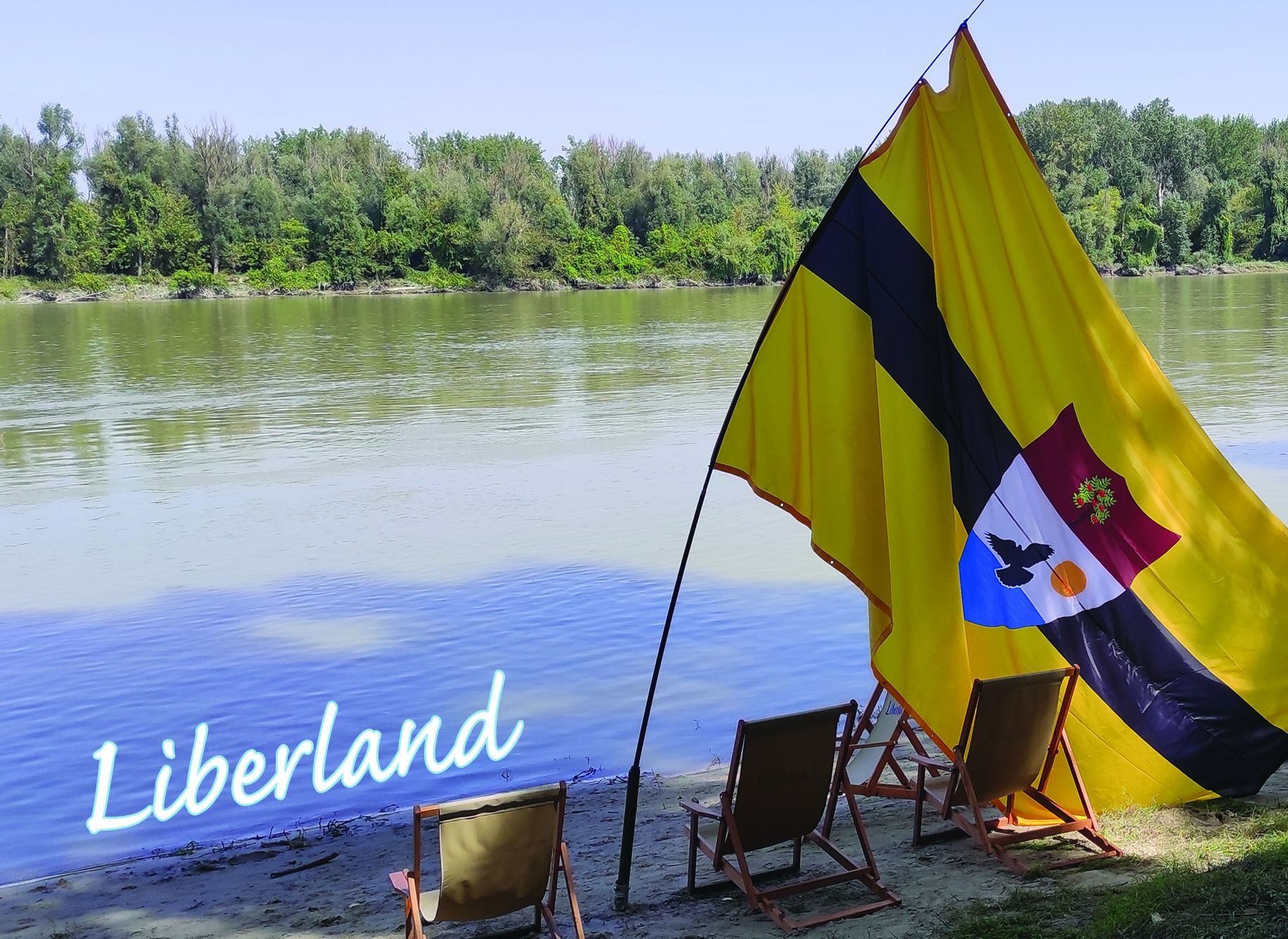
The self‑declared micronation of Liberland—born in 2015 from a disputed floodplain between Croatia and Serbia—has vaulted from curiosity to strategic experiment under its newly appointed prime minister, Chinese crypto billionaire Justin Sun. Drawing on his deep connections to the crypto world and U.S. political circles, including ties to the Trump family and involvement in the Trump‑linked World Liberty Financial venture, Sun has elevated Liberland’s diplomatic profile and lent credibility to its pursuit of recognition, propelled infrastructural efforts such as blockchain governance, newfound norms of crypto‑currency and voting, and bold symbolism like plans to place Liberland’s flag on an asteroid. Despite persistent hurdles—from Croatian enforcement and frequent flooding to lacking formal recognition—the movement has garnered serious attention and positioned itself as a beacon for libertarian ideals in the digital age.
Key Takeaways
– Crypto‑Diplomacy in Action: Justin Sun uses his financial backing and political access—especially via U.S. connections—to steer Liberland toward legitimacy and recognition.
– An Ideological Beacon in the Digital Age: Liberland’s blockchain‑based governance, crypto coins, and astroturfing space ambitions embody its libertarian, futuristic ethos.
– Still Ground‑Zero for Legitimacy: Despite all the innovation and buzz, physical access remains blocked, the land floods, infrastructure is minimal, and no country formally recognizes Liberland.
In-Depth
Liberland’s story has always felt like a cross between libertarian fantasy, guerrilla marketing, and bold political theater—and now, with Chinese crypto mogul Justin Sun stepping into the role of prime minister, it’s entered a new phase of strategy. What was once dismissed as a quirky self‑declared territory on an unclaimed Danube floodplain—Gornja Siga—has been given a shot at diplomatic credibility. Sun doesn’t just bring checkbook power; he brings access. His ties to the Trump‑linked World Liberty Financial initiative and high‑profile U.S. political events help Liberland tell a different story: one of serious purpose, not petty eccentricity.
Sun’s political ambitions are as digital as they are symbolic. Liberland now sports its own blockchain governance model, issues two cryptocurrencies—one for trading, one for voting—and even plans to plant its flag on a space‑bound asteroid, all to cement its brand as “the ideological homeland” for global libertarians. It’s a clever fusion: small‑state idealism meets cutting‑edge tech.
But let’s not forget the land‑bound drama. Croatia continues to block access, floods still wash away makeshift infrastructure, and—even after eight years—the reality is that settlement remains tenuous at best. Despite the boost in visibility and ambition, Liberland still lacks formal recognition and any real governance capacity on the ground.
Yet, for all its challenges, Liberland may be onto something. By leaning into crypto, spectacle, and soft diplomacy, it’s turning what was once dismissed as a novelty into something that might just force the global order to take notice.