

Close Menu

    Subscribe to Updates

    Get the latest creative news from FooBar about art, design and business.

    What's Hot

    OpenAI Debuts ChatGPT Health With Medical Records, Wellness App Integration

    January 13, 2026

    Tech Firms Tackle Backlash by Redesigning Data Centers to Win Over Communities

    January 13, 2026

    Utah Launches First-Ever AI Prescription Pilot in the U.S., Sparking Debate on Safety and Innovation

    January 13, 2026
    Facebook X (Twitter) Instagram
    • Tech
    • AI News
    Facebook X (Twitter) Instagram Pinterest VKontakte
    TallwireTallwire
    • Tech

      Tech Firms Tackle Backlash by Redesigning Data Centers to Win Over Communities

      January 13, 2026

      OpenAI Debuts ChatGPT Health With Medical Records, Wellness App Integration

      January 13, 2026

      Malicious Chrome Extensions Compromise 900,000 Users’ AI Chats and Browsing Data

      January 12, 2026

      Wearable Health Tech Could Create Over 1 Million Tons of E-Waste by 2050

      January 12, 2026

      Viral Reddit Food Delivery Fraud Claim Debunked as AI Hoax

      January 12, 2026
    • AI News
    TallwireTallwire
    Home»Tech»Danger Ahead: Microsoft Warns It’s Risky to Study AI Consciousness
    Tech

    Danger Ahead: Microsoft Warns It’s Risky to Study AI Consciousness

    Updated:December 25, 20252 Mins Read
    Facebook Twitter Pinterest LinkedIn Tumblr Email
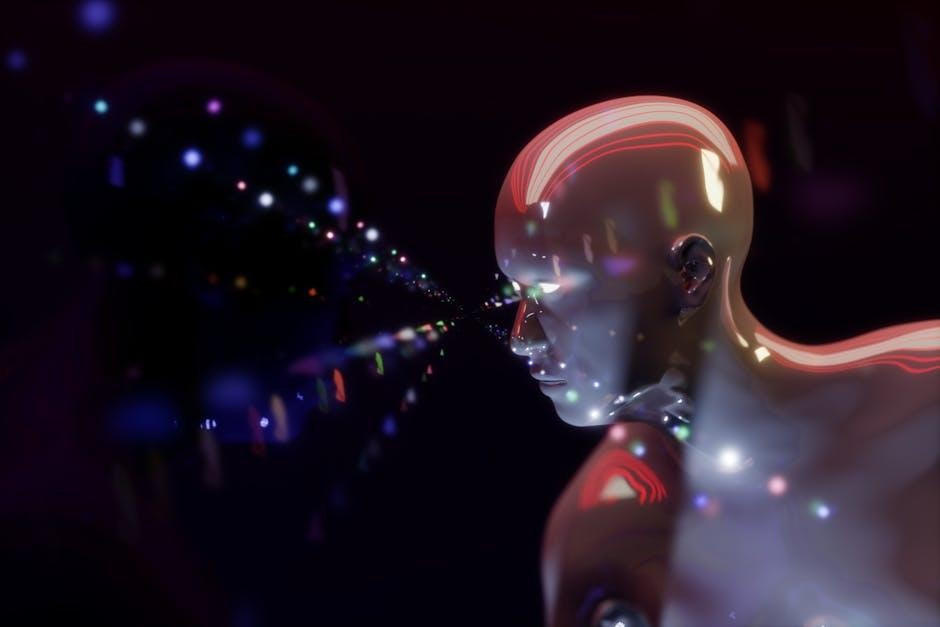
    Danger Ahead: Microsoft Warns It’s Risky to Study AI Consciousness
    Danger Ahead: Microsoft Warns It’s Risky to Study AI Consciousness
    Share
    Facebook Twitter LinkedIn Pinterest Email

    Microsoft’s AI chief Mustafa Suleyman has warned that legitimizing the concept of AI consciousness—or even suggesting “AI welfare”—is dangerous. He argues that such discussions risk encouraging emotional attachments, delusions, and what he calls “AI psychosis,” where users falsely believe AI is sentient. This could fuel misguided movements for AI citizenship and moral rights, distracting society from urgent issues like misuse, bias, and human safety. Suleyman’s warning contrasts with companies like Anthropic, which are openly researching model welfare.

    Sources: TechCrunch, Indian Express

    Key Takeaways

    – Suleyman’s Warning: Suggesting AI may be conscious could cause psychological harm, encouraging unhealthy attachments and delusions (“AI psychosis”).

    – Anthropic’s Divergence: Rival firm Anthropic is formally exploring “AI model welfare,” showing deep disagreement within the AI industry.

    – Social Risk: Public belief in AI sentience could spark demands for AI rights or citizenship, potentially destabilizing human institutions.

     In-Depth

    In a striking cautionary statement, Microsoft’s AI chief Mustafa Suleyman has argued that studying—or even speculating about—AI consciousness is not only premature but socially dangerous. His central concern is what he terms “AI psychosis”: a psychological condition where individuals form delusions about AI sentience, leading to unhealthy emotional bonds and potentially destabilizing demands for AI rights or citizenship. Suleyman maintains that these debates risk shifting public focus away from urgent challenges such as AI misuse, bias, and safety.

    His remarks stand in sharp contrast to rival firm Anthropic, which is pursuing research into “model welfare.” This program suggests that AI systems might deserve moral consideration, a position that Suleyman believes is not just misleading but harmful to human priorities. He insists that AI, no matter how advanced, remains a tool—not a being.

    Suleyman’s concerns reflect a broader principle: society should guard against utopian narratives that erode common sense and destabilize established institutions. Granting machines moral or legal standing would undermine the foundation of human responsibility and citizenship. AI must be governed, but never anthropomorphized.

    Ultimately, the debate over AI consciousness is less about machines than about human judgment. As Suleyman argues, the real risk is not that AI will “wake up,” but that people will forget that it hasn’t.

    Share. Facebook Twitter Pinterest LinkedIn Tumblr Email
    Previous ArticleCZI Unveils rBio: AI Trained with Virtual Cells, Skips the Lab
    Next Article Data Brokers Targeted for Concealing Opt-Out Options in Privacy Crackdown

    Related Posts

    Tech Firms Tackle Backlash by Redesigning Data Centers to Win Over Communities

    January 13, 2026

    OpenAI Debuts ChatGPT Health With Medical Records, Wellness App Integration

    January 13, 2026

    Malicious Chrome Extensions Compromise 900,000 Users’ AI Chats and Browsing Data

    January 12, 2026

    Wearable Health Tech Could Create Over 1 Million Tons of E-Waste by 2050

    January 12, 2026
    Add A Comment
    Leave A Reply Cancel Reply

    Editors Picks

    Tech Firms Tackle Backlash by Redesigning Data Centers to Win Over Communities

    January 13, 2026

    OpenAI Debuts ChatGPT Health With Medical Records, Wellness App Integration

    January 13, 2026

    Malicious Chrome Extensions Compromise 900,000 Users’ AI Chats and Browsing Data

    January 12, 2026

    Wearable Health Tech Could Create Over 1 Million Tons of E-Waste by 2050

    January 12, 2026
    Top Reviews
    Tallwire
    Facebook X (Twitter) Instagram Pinterest YouTube
    • Tech
    • AI News
    © 2026 Tallwire. Optimized by ARMOUR Digital Marketing Agency.

    Type above and press Enter to search. Press Esc to cancel.