

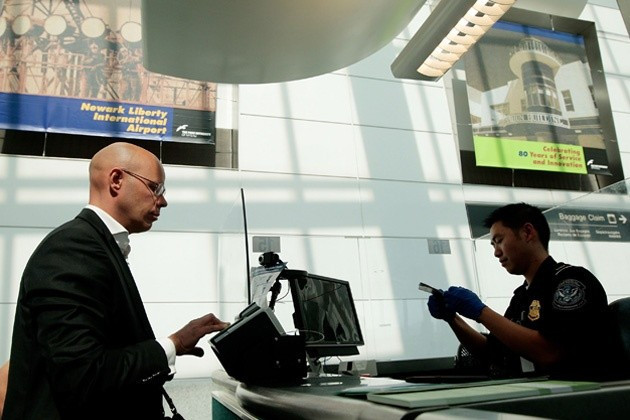
Between April and June 2025, U.S. Customs and Border Protection (CBP) conducted a record 14,899 electronic-device searches of international travelers—nearly a 17 percent jump on the prior quarterly high—comprising 13,824 “basic” manual inspections and 1,075 “advanced” forensic searches. The agency now seeks more sophisticated tech to comb through hidden messages, visuals, and encrypted apps. Critics warn of chilling effects on free expression and privacy, although CBP counters these searches still affect fewer than 0.01 percent of travelers. Constitutional safeguards like the Fourth Amendment are largely inapplicable in border zones, sparking legal and civil liberties concerns.
Sources: Wired, TechCrunch, AP News
Key Takeaways
– Historic high in device searches: CBP’s latest data (14,899 searches) marks the most ever for a single quarter, reflecting intensified enforcement activity.
– Advanced forensics on the rise: While basic searches dominate, investment in tech to uncover encrypted or hidden data raises the stakes on privacy.
– Privacy risks & limited legal recourse: With near-border zones exempt from traditional Fourth Amendment protections, travelers—especially non-citizens—face significant privacy vulnerabilities.
In-Depth
Let’s cut to the chase—U.S. Customs and Border Protection just set a new quarterly record. From April through June 2025, CBP searched a staggering 14,899 devices—about 17% more than the previous high—an unsettling jump in basic and advanced inspections. Most of those were manual checks: agents flipping through phones or laptops. But a not-insignificant chunk—1,075—were advanced searches, where forensic tools extract deep data from devices. At nearly 47,000 searches in the last year alone, CBP is clearly ramping up digital scrutiny. And with requests out now for companies to pitch tech that can dig into hidden messages, spot specific images, or tap encrypted chats, privacy advocates are sounding alarms.
Why does this matter? At the U.S. border—broadly defined—Fourth Amendment rights don’t offer the shield they do inland. So even citizens risk delays or seizure; foreigners could lash their refusal with a ticket home. Legal protections are murky, and critics argue these practices chill free speech and disproportionately affect activists, scholars, or individuals carrying politically sensitive data.
That said, agencies defend them as vital for national security and argue the impact remains minor statistically. But for anyone planning international travel, crossing U.S. borders carries not just routine checks—now, your entire digital life can be on the table, warrant or court order not required.