

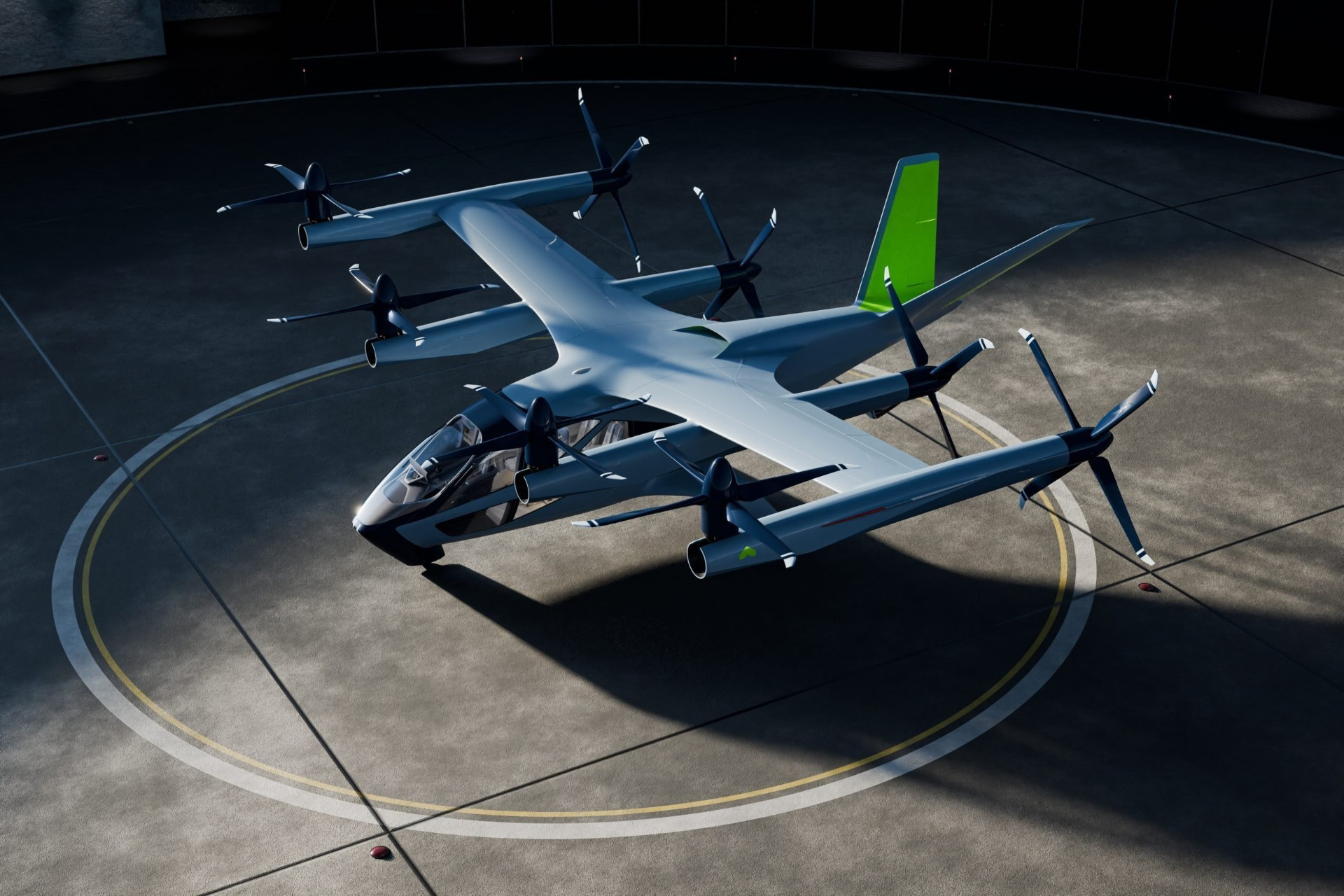
Hyundai’s electric air mobility startup Supernal is seeing yet another wave of senior exits just weeks after suspending its eVTOL aircraft program—Chief Strategy Officer Jaeyong Song, Chief Safety Officer Tracy Lamb, and Lina Yang (former chief of staff) have departed the company as part of a wider shake-up. The moves follow earlier exits of Supernal’s CEO Jaiwon Shin and CTO David McBride, a pause in vehicle development, and a reduction in workforce, all of which have raised fresh doubts about the viability and timing of the firm’s urban air mobility ambitions. Hyundai insists it remains “strongly committed” to its advanced air mobility business, but industry observers warn that leadership instability at this critical stage risks undermining technical, regulatory, and investor confidence.
Sources: Reuters, Flying Magazine
Key Takeaways
– The departure of multiple top executives, including strategy and safety leads, amid a development suspension, signals deeper organizational turbulence beyond isolated turnover.
– Pausing Supernal’s aircraft program at this juncture shifts its timeline risk sharply upward, and may allow competitors who are further along in certification to gain ground.
– Hyundai’s public commitment to advanced air mobility may do little to reassure stakeholders unless a clear, stable leadership structure and renewed roadmap emerge soon.
In-Depth
The latest round of exits at Supernal underscores a mounting crisis in one of Hyundai’s boldest bets: turning its vision of flying taxis into a tangible urban mobility business. Just weeks after halting its aircraft development and following earlier departures of the CEO and CTO, the company is now losing its Chief Strategy Officer (Jaeyong Song), Chief Safety Officer (Tracy Lamb), and Lina Yang, the former chief of staff. The timing intensifies concerns—strategy and safety are two critical pillars in aviation projects, especially in the context of eVTOL (electric vertical takeoff and landing) where regulatory, technical, and operational demands are unforgiving.
What’s particularly risky is the compounding nature of these decisions. Supernal had already announced a program pause to reassess progress and realign toward longer goals. Its workforce has already been modestly trimmed, and its headquarters was shifted from Washington, D.C. to Irvine, California. That kind of organizational upheaval often reflects deeper structural uncertainty—about direction, resource allocation, or market conditions. Suspending aircraft development in a competitive and time-sensitive field puts Supernal in danger of losing momentum. Rivals such as Joby Aviation, Archer, and Beta are already pushing toward certification or early-stage deployment, and Supernal risks falling behind.
From an investor and regulatory standpoint, leadership continuity matters enormously. Safety and certification are not domains where “restarts” are benign; switching key leads midstream can introduce delays, handling of compliance frameworks may stall, and relationships with regulators may be strained. Even new entrants must essentially rebuild institutional trust. For Hyundai, whose industrial strength is often assumed, weak execution or missteps in air mobility could have reputational spillover for its broader autonomous and electric mobility initiatives.
Hyundai’s insistence that it remains committed to advanced air mobility is necessary optics, but commitment alone won’t suffice if execution is derailed. To stabilize its trajectory, Supernal will need to appoint stable, experienced leadership across technical, strategy, regulatory, and safety domains. It must swiftly communicate a revised but credible roadmap—showing how it intends to reenter development, resume testing, and maintain regulatory credibility. The next few months will likely determine whether Supernal emerges as a reorganized contender—or becomes a cautionary tale in a high-capital, high-regulation frontier of mobility.