

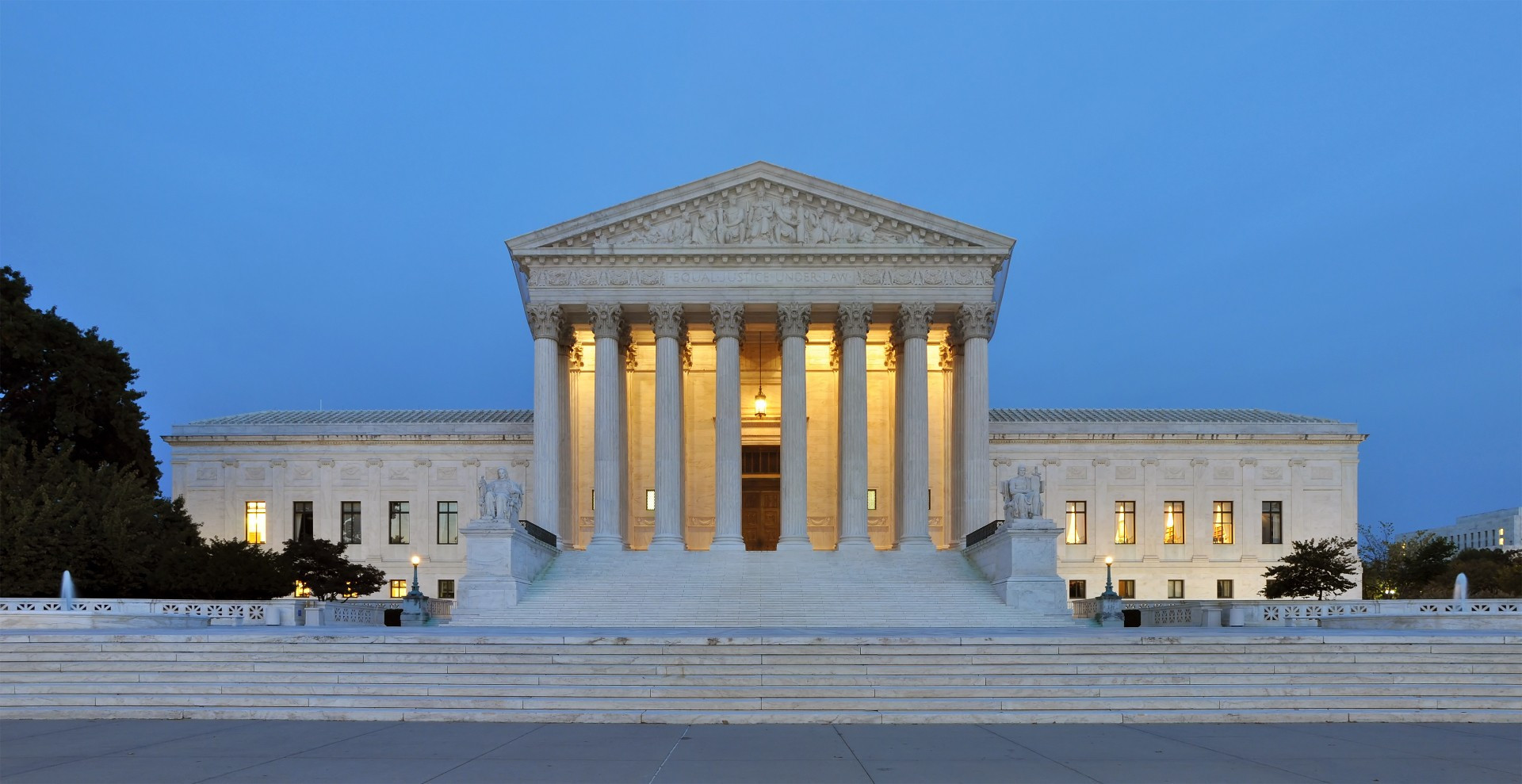
A U.S. appeals court ruled on August 19 that the structure of the National Labor Relations Board (NLRB)—specifically its protections shielding administrative law judges and board members from at-will presidential removal—is likely unconstitutional, undermining the president’s executive oversight. This decision halted pending labor cases against SpaceX, Energy Transfer, and Findhelp, marking the first time an appellate court has declared the NLRB’s independence framework potentially unlawful. The preliminary injunction reinforces legal challenges rooted in Article II of the Constitution, spotlighting a broader debate over the balance between agency independence and presidential control. The ruling now awaits review by the Supreme Court.
Sources: Reuters, The Week, National Law Review
Key Takeaways
– Separation of powers is front and center: The ruling underscores that no executive-branch entity—including NLRB components—should be insulated from presidential oversight, reinforcing Article II principles.
– Labor board cases now on hold: Enforcement actions against SpaceX, Energy Transfer, and Findhelp are paused as the courts weigh the constitutionality of the NLRB’s structure.
– Supreme Court likely next stop: With this being the first appellate ruling of its kind, the matter is poised to move up for judicial clarity on whether such protections are permissible.
In-Depth
On August 19, the Fifth Circuit sent ripples through Washington by finding that the NLRB’s structure—particularly the dual “for-cause” removal protections for both administrative law judges and board members—likely breaches the Constitution’s separation of powers. The decision puts the brakes on pending NLRB cases against SpaceX, Energy Transfer, and Findhelp, until the legal question over whether those protections improperly shield executive power is resolved.
Circuit Judge Don Willett, joined by two Republican-appointed colleagues, framed the issue plainly: executive authority vests in the president—not distant agency officials insulated from political control. From a constitutional standpoint, that logic hews to conservative principles asserting accountability in government.
This isn’t the wake-up call Washington expected. The NLRB has long operated as a quasi-independent agency, designed to stand apart from political winds to uphold labor law. But when antiquated frameworks clash with fundamental constitutional structures, reform becomes inevitable. The court’s injunction doesn’t wipe away the NLRB—it merely suspends enforcement while a proper constitutional reckoning plays out.
It’s almost certain this matters will land before the Supreme Court, where deeper scrutiny will be applied. If the high court backs the Fifth Circuit, the fallout could compel Congress to revise how the NLRB is structured—possibly rendering its adjudicators fully accountable to the presidency. In essence, this case questions whether structural independence is a virtue or a constitutional vulnerability.