

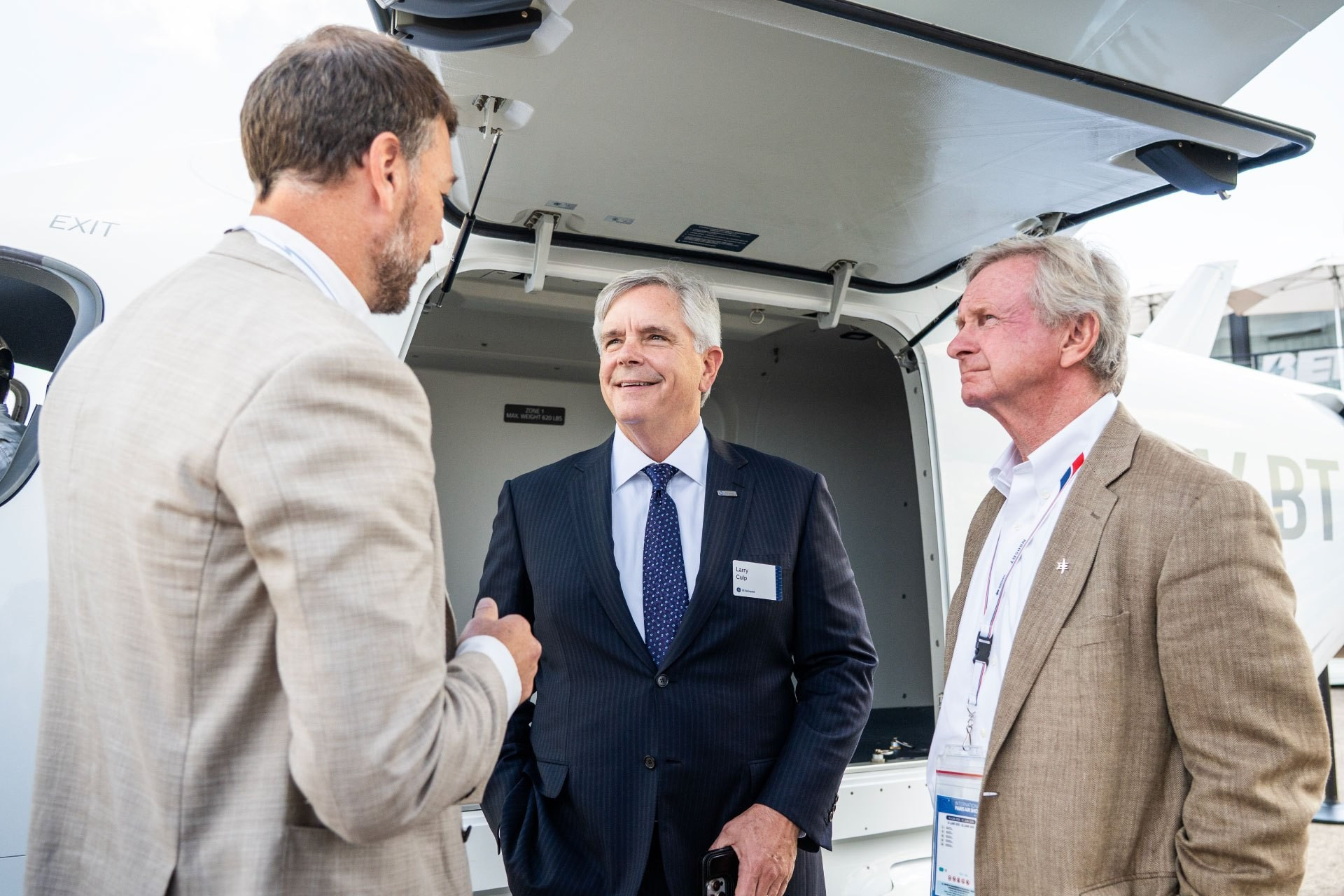
In a strategic move aimed at accelerating hybrid-electric aviation, GE Aerospace has committed to a $300 million equity investment in Beta Technologies, as part of a new partnership to jointly develop a hybrid-electric turbogenerator for advanced air mobility applications. By combining GE’s well-established CT7 and T700 engine systems with Beta’s electric propulsion expertise, the partnership seeks to deliver improved aircraft range, speed, payload, and operational efficiency—as well as to position both companies at the forefront of next-generation aerospace innovation. Notably, the collaboration also grants GE the right to appoint a director to Beta’s board, further signaling deep integration and aligned incentives.
Sources: VT Digger, GE Aerospace, The Air Current
Key Takeaways
– Strategic Investment for Scale: GE is not just writing a check; it’s gaining influence and board-level input, pointing to long-term collaboration and shared vision.
– Complementary Capabilities: GE’s infrastructure and turbine legacy combined with Beta’s electric innovation create an ecosystem poised for delivering efficient, high-performance hybrid systems.
– Hybrid as Near-Term Viable Solution: With fully electric aviation still grappling with energy density limitations, hybrid-electric systems offer a practical bridge—especially valuable in defense and range-critical missions.
In-Depth
GE Aerospace’s bold $300-million move to back Beta Technologies isn’t just another headline in aviation—it’s a calculated bet on a hybrid-electric future that blends old-school muscle with new-school agility. At its core, this is about co-developing a turbo-generator that leverages GE’s CT7 and T700 engine know-how—a system historically used in helicopters and turboprops—that now gets fused with Beta’s high-performance permanent-magnet electric generators. The endgame? Aircraft that don’t just fly farther, but smarter—carrying heavier payloads, covering longer distances, and doing so with improved efficiency.
Beta brings a nimble design ethos, electric propulsion savvy, and a carving path in both eVTOL and conventional electric aircraft markets. GE, meanwhile, brings credibility, scale, safety certifications, and decades of power systems mastery. Together, they carve a more balanced, future-friendly route through the challenges of electrifying flight—finding synergy rather than redundancy.
On the strategic front, GE also gains a seat at Beta’s board, reinforcing its stake in guiding future design and deployment—an action that’s about more than financing; it’s governance and alignment of long-term strategies.
Market watchers are already giving this news a nod of approval: GE’s stock ticked up around 2.3% on the announcement, with investors seeing this as a smart bridge into future propulsion technologies—even if purely electric flight remains further down the runway.
All told, this partnership is shaping up as an important blueprint in the transition toward sustainable aviation—pragmatic, well-resourced, and rooted in real engineering strengths.