

Close Menu

    Subscribe to Updates

    Get the latest creative news from FooBar about art, design and business.

    What's Hot

    Utah Launches First-Ever AI Prescription Pilot in the U.S., Sparking Debate on Safety and Innovation

    January 13, 2026

    EU Widens Tech Crackdown, Targeting Musk’s Grok and TikTok Over Alleged AI Law Violations

    January 13, 2026

    Malicious Chrome Extensions Compromise 900,000 Users’ AI Chats and Browsing Data

    January 12, 2026
    Facebook X (Twitter) Instagram
    • Tech
    • AI News
    Facebook X (Twitter) Instagram Pinterest VKontakte
    TallwireTallwire
    • Tech

      Malicious Chrome Extensions Compromise 900,000 Users’ AI Chats and Browsing Data

      January 12, 2026

      Wearable Health Tech Could Create Over 1 Million Tons of E-Waste by 2050

      January 12, 2026

      Viral Reddit Food Delivery Fraud Claim Debunked as AI Hoax

      January 12, 2026

      Activist Erases Three White Supremacist Websites onstage at German Cybersecurity Conference

      January 12, 2026

      AI Adoption Leaders Pull Ahead, Leaving Others Behind

      January 11, 2026
    • AI News
    TallwireTallwire
    Home»Tech»Hackers Claim 15.8 Million PayPal Credentials Leaked — Experts, PayPal Push Back
    Tech

    Hackers Claim 15.8 Million PayPal Credentials Leaked — Experts, PayPal Push Back

    Updated:December 25, 20252 Mins Read
    Facebook Twitter Pinterest LinkedIn Tumblr Email
    Hackers Claim 15.8 Million PayPal Credentials Leaked — Experts, PayPal Push Back
    Hackers Claim 15.8 Million PayPal Credentials Leaked — Experts, PayPal Push Back
    Share
    Facebook Twitter LinkedIn Pinterest Email

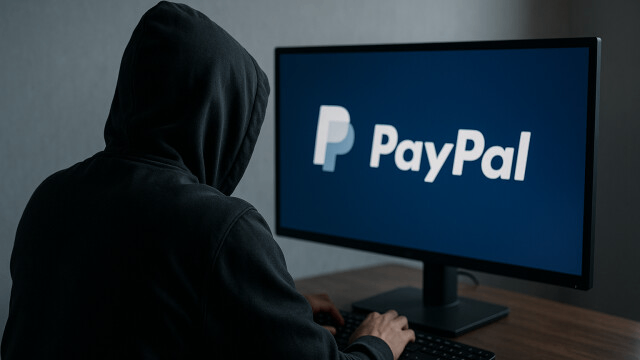
    A cybercrime forum post by a user known as “Chucky_BF” claims to be selling a dataset of approximately 15.8 million PayPal account credentials—including email addresses, plaintext passwords, and associated URLs—allegedly stolen in May 2025. PayPal swiftly denied any new breach, attributing the data to a “security incident” in 2022 that exposed only around 35,000 accounts. Security researchers remain skeptical of the dump’s authenticity: they point to the unusually low sale price, small sample size, and similarities to infostealer malware logs as signs the data may have been harvested from compromised devices rather than PayPal’s systems. In light of the uncertainty, users are advised to reset PayPal passwords (especially if reused), enable multi-factor authentication, and employ tools like password managers, antivirus, VPNs, and identity protection services.

    Sources: TechRadar, Tom’s Guide, PC World

    Key Takeaways

    – The low asking price for the dataset raises suspicion about its authenticity and quality.

    – Infostealer malware—which harvests credentials from victims’ devices—is a likely source rather than a direct PayPal breach.

    – PayPal links the incident back to its 2022 “security incident,” and regulators previously fined them over that event.

    In-Depth

    There’s a fresh scare going around: someone using the handle “Chucky_BF” is offering what they say is a treasure trove of PayPal credentials—over 15.8 million email-password pairs, each linked to specific PayPal login pages. That sounds massive, but take a breath.

    PayPal itself dismisses the claim, saying no new breach happened and pointing back to a long-resolved 2022 incident that affected a fraction of that many accounts. And here’s why the skepticism is well-founded: the data’s being sold for a suspiciously low price, researchers could verify only a tiny slice, and the format seems lifted straight from infostealer malware—malicious software that quietly steals logins from infected devices.

    Put simply, it’s more plausible the data was collected from individuals’ compromised systems—then mashed together and marketed under PayPal’s name—rather than ripped from PayPal itself. But misleading or not, the effect on users is real: reused passwords can give crooks tools for credential stuffing and phishing. The bottom line? Act now. Reset your PayPal password, make it unique; fire up multi-factor authentication; and consider a password manager, antivirus software, or identity protection service to stay one step ahead. The lesson sticks: even whispers of leaks demand a swift response.

    Share. Facebook Twitter Pinterest LinkedIn Tumblr Email
    Previous ArticleHackers Behind Jaguar Land Rover Claim Retirement—but Experts Warn the Threat Is Far from Over
    Next Article Hackers Claim Oracle Apps Breach, Send High-Stakes Extortion Emails to Executives

    Related Posts

    Malicious Chrome Extensions Compromise 900,000 Users’ AI Chats and Browsing Data

    January 12, 2026

    Wearable Health Tech Could Create Over 1 Million Tons of E-Waste by 2050

    January 12, 2026

    Viral Reddit Food Delivery Fraud Claim Debunked as AI Hoax

    January 12, 2026

    Activist Erases Three White Supremacist Websites onstage at German Cybersecurity Conference

    January 12, 2026
    Add A Comment
    Leave A Reply Cancel Reply

    Editors Picks

    Malicious Chrome Extensions Compromise 900,000 Users’ AI Chats and Browsing Data

    January 12, 2026

    Wearable Health Tech Could Create Over 1 Million Tons of E-Waste by 2050

    January 12, 2026

    Viral Reddit Food Delivery Fraud Claim Debunked as AI Hoax

    January 12, 2026

    Activist Erases Three White Supremacist Websites onstage at German Cybersecurity Conference

    January 12, 2026
    Top Reviews
    Tallwire
    Facebook X (Twitter) Instagram Pinterest YouTube
    • Tech
    • AI News
    © 2026 Tallwire. Optimized by ARMOUR Digital Marketing Agency.

    Type above and press Enter to search. Press Esc to cancel.