

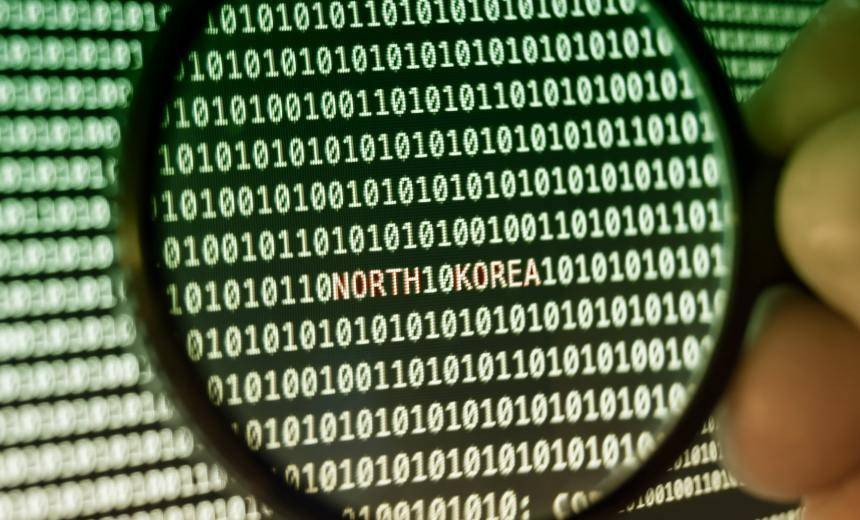
In a significant cybersecurity breach, two hackers, known by their aliases Saber and cyb0rg, infiltrated a North Korean government hacker’s computer, revealing an extensive 8.9 GB trove of espionage data. This unprecedented leak offers a rare glimpse into the operations of Kimsuky, a notorious North Korean state-sponsored hacking group active since 2012. The exposed files include phishing logs from attacks on South Korea’s Defense Counterintelligence Command, complete source code from South Korea’s Ministry of Foreign Affairs’ email systems, Cobalt Strike tools, and a toolkit for phishing websites. The hackers, aiming to expose Kimsuky’s morally questionable operations, released the data through Distributed Denial of Secrets. While this leak may not dismantle Kimsuky, it could severely disrupt its current operations and force the group to overhaul its tactics and infrastructure.
Sources: TechRadar, TechCrunch, India Today
Key Points
– Kimsuky’s Operations: The leaked data sheds light on Kimsuky’s extensive cyber espionage activities, targeting government agencies and companies, particularly in South Korea.
– International Cooperation: The breach highlights the group’s collaboration with other state-sponsored hackers, including Chinese entities, indicating a broader network of cyber espionage.
– Impact on Cybersecurity: This incident underscores the vulnerabilities in global cybersecurity defenses and the need for enhanced protection against state-sponsored cyber threats.
In-Depth
In a rare and revealing breach, two independent hackers—operating under the pseudonyms Saber and cyb0rg—successfully infiltrated the computer of a North Korean government hacker, exposing a massive cache of intelligence tied to the infamous Kimsuky group. The leak, totaling nearly 9 gigabytes, offers an unprecedented view into the operations of one of Pyongyang’s most persistent state-sponsored cyber espionage networks, active since at least 2012. The trove includes phishing logs targeting South Korea’s Defense Counterintelligence Command, email system source code from South Korea’s Ministry of Foreign Affairs, and tools such as Cobalt Strike used to penetrate systems and deploy malicious payloads.
The release of this sensitive data through the nonprofit Distributed Denial of Secrets highlights both the vulnerabilities within North Korea’s own cyber operations and the broader international stakes in digital security. The hackers claim their mission was to expose morally questionable activities and provide transparency, a rare glimpse into a shadowy organization often operating with impunity.
While Kimsuky remains operational, the breach is likely to disrupt its ongoing campaigns, forcing the regime to overhaul tactics and software infrastructure, at least temporarily. Beyond Pyongyang’s borders, the incident underscores the growing sophistication of state-sponsored hacking and the urgent need for strengthened cybersecurity across government, corporate, and public networks. It serves as a stark reminder that in the 21st century, national security is inseparable from cyber vigilance and that unchecked adversaries pose real threats not only abroad but potentially at home.