

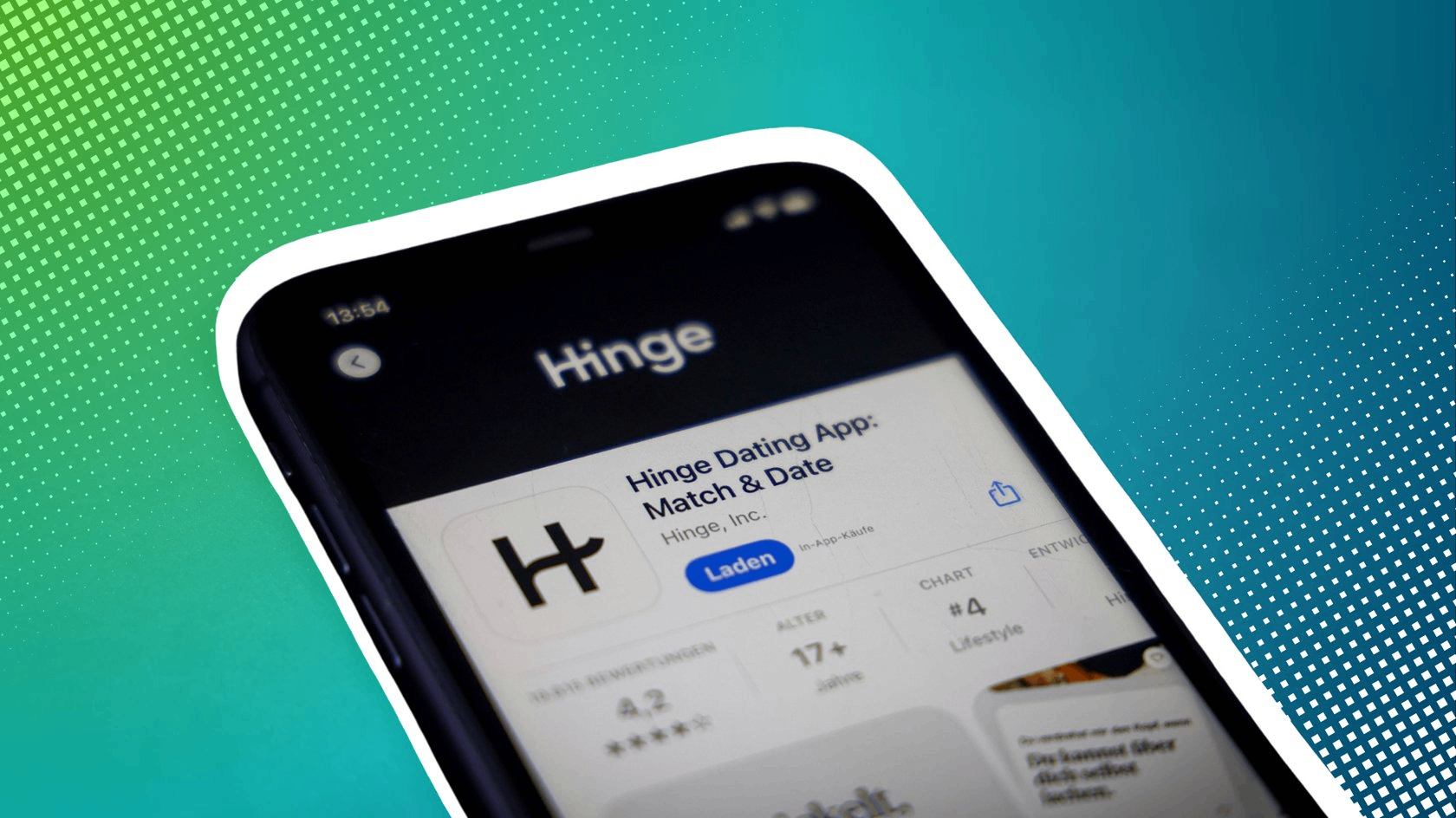
Hinge is changing how it handles content violations by shifting away from blanket account bans toward a more measured system: instead of immediately removing your account for a single misstep, the platform will flag or remove just the offending content and hide your profile from discovery until you make corrections, while sending explanations via email, push notifications, and in-app alerts. The flagged content spans offensive or discriminatory material, illegal promotions, unauthorized images of others (or minors), or attempts at commercial spam. Users who repeatedly violate policies still risk being banned. In essence, the platform aims to give users a chance to repair, rather than eject them outright. Hinge will remove only the content in violation and prompt users to correct it. Another writeup describes that the app will suspend Discover visibility until corrections are made, and will explicitly notify users about what triggered the flag and how to fix it
Sources: Digitrenz, Yahoo Finance
Key Takeaways
– Users aren’t banned outright for a first offense; only the specific content is removed or hidden, and the rest of the profile stays intact (unless violations repeat).
– Hinge will explain the violation—via email, push notification, and an in-app prompt—so users know exactly what to change.
– Persistent or severe rule-breaking (harassment, fraud, hate speech, etc.) can still lead to a full account ban under the new system.
In-Depth
In the shifting world of social and dating apps, moderation has become one of the trickiest challenges: platforms want to keep communities safe, but also don’t want to alienate users with draconian rules or opaque bans. Hinge seems to be carving a middle path with its recent policy shift toward more targeted enforcement. Rather than punishing an entire account for a single misstep, the app now flags or removes just the offending item—be it a problematic photo, a prompt answer, or other content—and temporarily hides the profile from discovery until the user makes the required change. Meanwhile, users receive clear explanations via email, push notification, and in-app messages so they know what went wrong.
Under the new rules, content that might trigger a flag includes offensive or discriminatory language, sexual or violent content beyond the platform’s permitted bounds, attempts to promote illegal activity or business services, or use of images of others (or minors) without proper consent. Once flagged, the profile is effectively “paused” in the discovery ecosystem until the user addresses the issue, but not totally shut down. That gives well-meaning users a chance to remedy rather than be summarily booted. It’s a shift toward transparency and proportional enforcement.
That said, Hinge isn’t abandoning accountability. Users with repeated offenses—or those who commit blatantly harmful violations—can still be banned outright. The change is meant to target the distinction between inadvertent or marginal violations and willful, repeated misconduct. In making this adjustment, Hinge reflects a broader trend among platforms under pressure to be more transparent and just in moderation decisions, particularly as regulators and users alike demand fairness and clarity. The hope is to reduce false positives, lower support friction, and maintain user trust.