

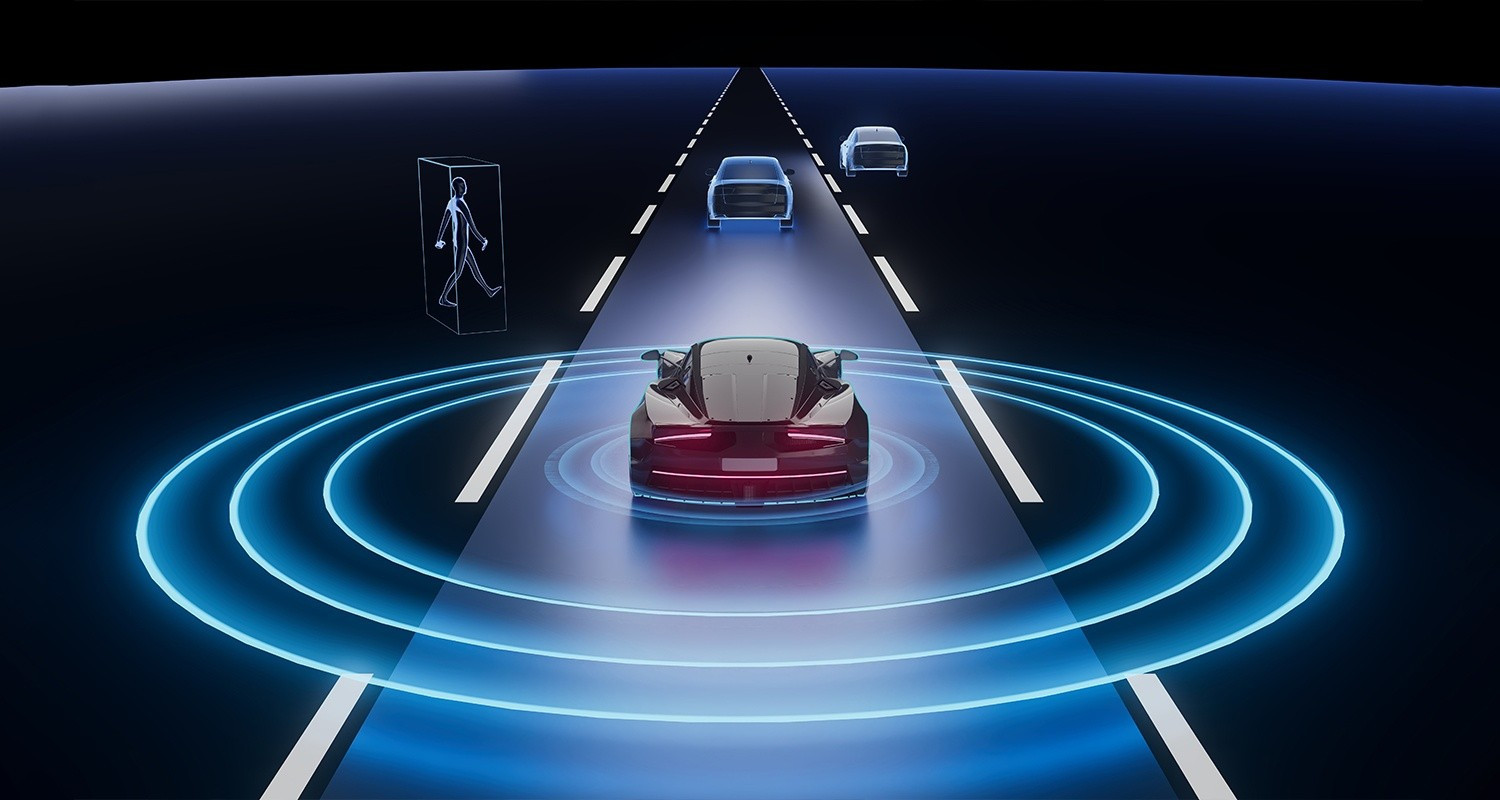
Honda has signed a multi-year joint development agreement with Helm.ai to fast-track its Advanced Driver Assistance Systems (ADAS) for mass-market vehicles. Leveraging Helm.ai’s real-time AI software stack—including Helm.ai Vision, Helm.ai Driver, and generative simulation models like VidGen-2 and WorldGen-1—Honda aims to embed its Navigate on Autopilot (NOA) into both highway and urban driving scenarios. The end-to-end AI control architecture, designed to handle perception, decision-making, and vehicle actuation, is slated for phased rollout across Honda’s lineup with mass production targeted after 2027. The collaboration underscores Honda’s aim to enhance affordability and safety and edge closer to its goal of zero traffic collision fatalities.
Sources: SelfDrive News, Reuters, VentureBeat
Key Takeaways
– Scope of Tech: Helm.ai supplies its full stack AI—vision systems, path-prediction AI, and foundational simulation models—to power Honda’s NOA platform.
– Rollout Timeline: Partial automation expected on upcoming Honda models with mass-market integration of NOA beginning after 2027.
– Core Motivation: The partnership is driven by Honda’s dual aspirations to boost vehicle safety (moving toward zero traffic fatalities) and deliver affordable AI-powered driving tech.
In-Depth
Honda’s new partnership with Helm.ai comes at a time when carmakers need to stay sharp in the fast-moving world of intelligent driving systems. Helm.ai brings serious AI chops to the table—its perception stack, real-time path-prediction, and simulation tools are exactly what a forward-looking automaker needs to keep pace without breaking the bank.
The deal focuses on Honda’s Navigate on Autopilot platform, a step toward partial automation that supports both highway and city driving. Importantly, the system still expects the driver to stay alert—keeping human judgment in the loop even as AI takes on more of the heavy lifting. Honda’s goal is pragmatic: expand this technology across more models, but only once it’s been vetted thoroughly. That’s why “after 2027” is the key target—it gives time to refine safety and scalability before hitting the market hard.
What really stands out is Honda’s commitment to make this tech accessible, without letting safety slide. By aiming for zero traffic fatalities, the automaker sets a clear bar. It’s not just about flashy features—it’s about making roads safer and smarter over time. In partnering with Helm.ai, Honda isn’t just catching up to competitors—it plans to do so responsibly and affordably.