

Close Menu

    Subscribe to Updates

    Get the latest creative news from FooBar about art, design and business.

    What's Hot

    OpenAI Debuts ChatGPT Health With Medical Records, Wellness App Integration

    January 13, 2026

    Tech Firms Tackle Backlash by Redesigning Data Centers to Win Over Communities

    January 13, 2026

    Utah Launches First-Ever AI Prescription Pilot in the U.S., Sparking Debate on Safety and Innovation

    January 13, 2026
    Facebook X (Twitter) Instagram
    • Tech
    • AI News
    Facebook X (Twitter) Instagram Pinterest VKontakte
    TallwireTallwire
    • Tech

      Tech Firms Tackle Backlash by Redesigning Data Centers to Win Over Communities

      January 13, 2026

      OpenAI Debuts ChatGPT Health With Medical Records, Wellness App Integration

      January 13, 2026

      Malicious Chrome Extensions Compromise 900,000 Users’ AI Chats and Browsing Data

      January 12, 2026

      Wearable Health Tech Could Create Over 1 Million Tons of E-Waste by 2050

      January 12, 2026

      Viral Reddit Food Delivery Fraud Claim Debunked as AI Hoax

      January 12, 2026
    • AI News
    TallwireTallwire
    Home»Tech»How Beijing Leverages Trade Norms to Dominate the Global Battery Market
    Tech

    How Beijing Leverages Trade Norms to Dominate the Global Battery Market

    Updated:December 25, 20252 Mins Read
    Facebook Twitter Pinterest LinkedIn Tumblr Email
    How Beijing Leverages Trade Norms to Dominate the Global Battery Market
    How Beijing Leverages Trade Norms to Dominate the Global Battery Market
    Share
    Facebook Twitter LinkedIn Pinterest Email

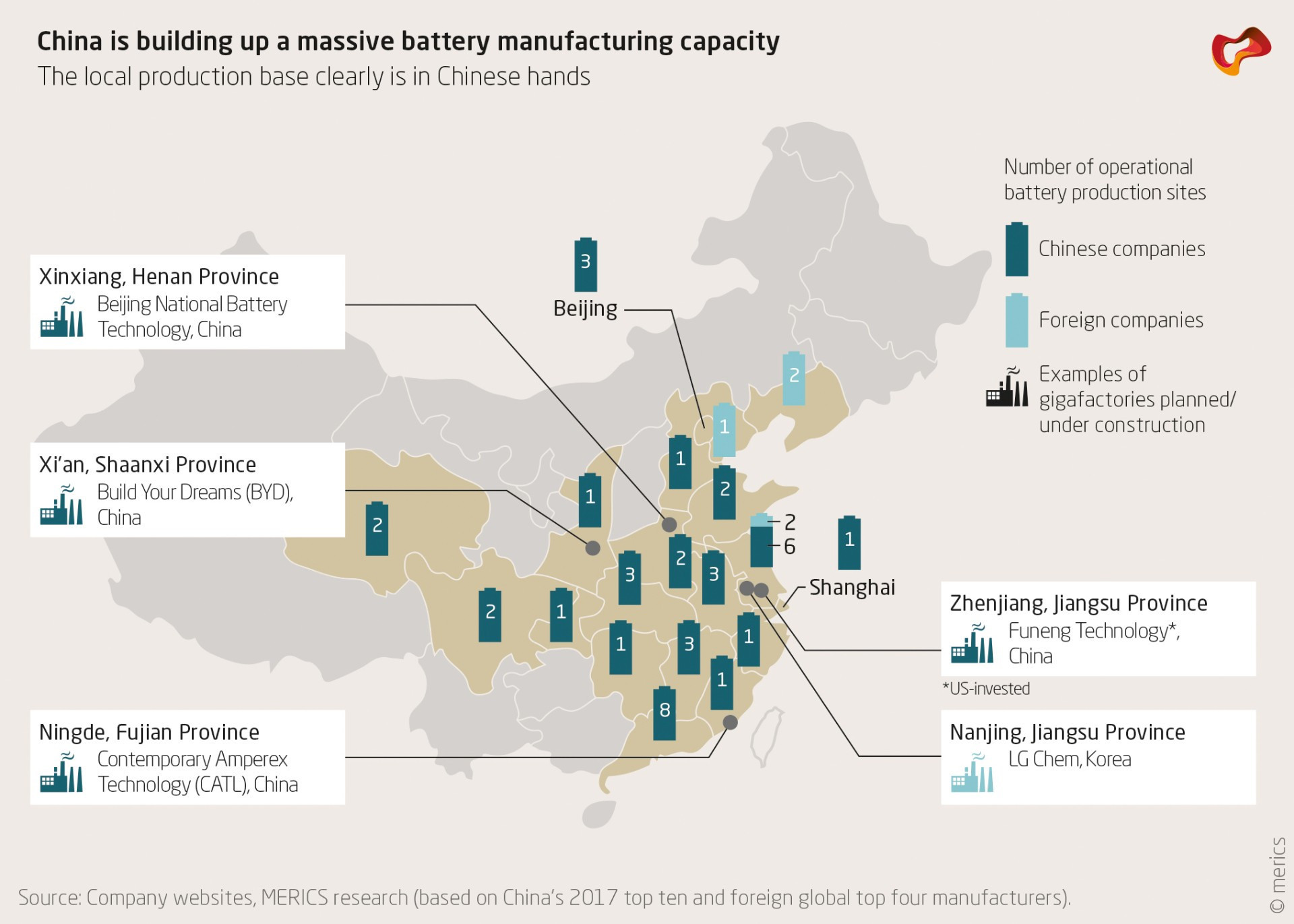
    China has quietly cornered the global battery industry for more than a decade, using generous state subsidies, forced technology transfers, and strategic maneuvering within international trade norms to expand its influence. Experts argue Beijing’s approach—what some describe as a “parasitic export model”—has allowed Chinese battery makers to rapidly scale capacity and undercut competitors, posing challenges for Western industries and national security interests.

    Sources: FDD Report, Epoch Times, Reuters

    Key Takeaways

    – China’s export-centric battery strategy relies on heavy state support and favorable trade maneuvers to gain global market share.

    – A U.S. think-tank warns this dominance undermines both economic competitiveness and national security in Western nations.

    – Chinese firms are investing widely abroad—over $100 billion since 2023—to skirt tariffs and bolster their global footprint.

    In-Depth

    China’s rise as the world’s battery maker is no accident—it’s a calculated, state-backed play. Over the past decade, Beijing has used aggressive subsidies and trade-friendly loopholes to push its producers into dominating global markets. The term “parasitic export model” isn’t hyperbole; it describes a strategy that extracts advantage from global trade systems while the state shields domestic industries from fair competition.

    Here at home, that shift is more than economics—it’s a matter of security. A recent Foundation for Defense of Democracies (FDD) report bluntly warns that China’s control over the battery supply chain endangers U.S. strategic and economic resilience. With such leverage, Beijing could disrupt critical industries at a moment’s notice.

    Meanwhile, China is placing its bets outside its borders too. Since 2023, Chinese clean-tech companies have poured over $100 billion into overseas projects—building battery factories abroad to dodge tariffs and expand global reach. The result? A tightly woven, globally entrenched web that’s hard to unwind—but essential to monitor.

    Share. Facebook Twitter Pinterest LinkedIn Tumblr Email
    Previous ArticleHONOR Eyes Mighty 10,000 mAh Battery for Mid-Ranger Smartphone
    Next Article How Tech—and a Deal from Trump—Helped Bring Israel’s Hostages Home

    Related Posts

    Tech Firms Tackle Backlash by Redesigning Data Centers to Win Over Communities

    January 13, 2026

    OpenAI Debuts ChatGPT Health With Medical Records, Wellness App Integration

    January 13, 2026

    Malicious Chrome Extensions Compromise 900,000 Users’ AI Chats and Browsing Data

    January 12, 2026

    Wearable Health Tech Could Create Over 1 Million Tons of E-Waste by 2050

    January 12, 2026
    Add A Comment
    Leave A Reply Cancel Reply

    Editors Picks

    Tech Firms Tackle Backlash by Redesigning Data Centers to Win Over Communities

    January 13, 2026

    OpenAI Debuts ChatGPT Health With Medical Records, Wellness App Integration

    January 13, 2026

    Malicious Chrome Extensions Compromise 900,000 Users’ AI Chats and Browsing Data

    January 12, 2026

    Wearable Health Tech Could Create Over 1 Million Tons of E-Waste by 2050

    January 12, 2026
    Top Reviews
    Tallwire
    Facebook X (Twitter) Instagram Pinterest YouTube
    • Tech
    • AI News
    © 2026 Tallwire. Optimized by ARMOUR Digital Marketing Agency.

    Type above and press Enter to search. Press Esc to cancel.