

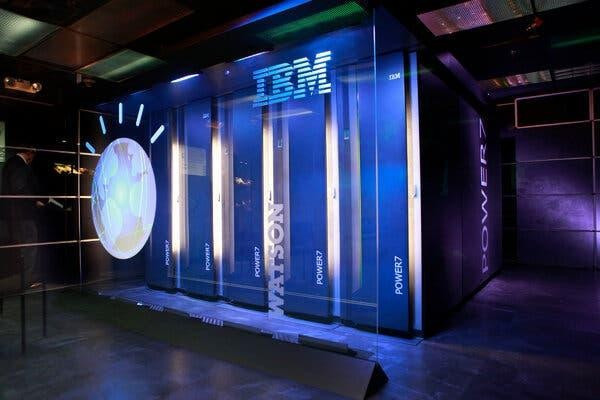
IBM and AMD have unveiled a strategic partnership to build “quantum‑centric supercomputing”—hybrid systems that fuse IBM’s quantum computing capabilities with AMD’s high‑performance computing and AI accelerators, including CPUs, GPUs, and potentially FPGAs. This collaboration is designed to develop scalable, open‑source platforms that could outpace traditional computing and address complex challenges in areas like drug discovery, materials science, logistics, optimization, and generative AI applications. The ambition: construct a next‑generation, commercially viable architecture for hybrid quantum‑classical workloads, with a public demo slated for later this year.
Sources: Investopedia, Axios, TechCrunch
Key Takeaways
– Hybrid Quantum-Classical Strategy: The partnership targets combining quantum computing with traditional AI/HPC hardware to tackle computationally expensive real‑world problems more effectively.
– Open‑Source, Scalable Vision: The platform will be open‑sourced and designed for scalability, aiming to foster widespread adoption in research and industry alike.
– Market Validation & Momentum: The announcement boosted investor confidence—AMD and IBM stocks rose, and an analyst even upgraded AMD citing strengthened AI and data‑center prospects.
In-Depth
IBM and AMD are teaming up on an initiative that aims to meld the best of quantum computing with top-tier high-performance and AI-accelerated hardware. Their joint pursuit of “quantum-centric supercomputing” isn’t about replacing classical systems—it’s about making them better, smarter, and capable of handling tasks that today’s machines simply can’t.
IBM brings its deep roots in quantum research, while AMD contributes its GPU, CPU, and FPGA prowess, already proven in the world’s fastest supercomputers. Together, they’re working toward a scalable, open-source system that could transform how problems in drug discovery, materials science, logistics, and AI are solved.
This collaboration marks a calculated move by two companies that found themselves behind the generative AI wave. Instead of chasing the same path, they’re pursuing a differentiated strategy—investing in next-gen computing infrastructure that could reignite their relevance and leadership. Intended as a public demo later this year, this hybrid architecture would showcase quantum and classical elements working side by side, signaling that the future of computing may be about integration, not exclusion.
The market responded favorably: AMD’s stock surged, buoyed by optimism around its growing presence in AI hardware, and IBM’s stock nudged up too. Analysts are optimistic that this partnership could pave the way for a “quantum-classical” era of computing—one that doesn’t just chase performance, but redefines how we approach complex problems in a more holistic, capability-driven way.