

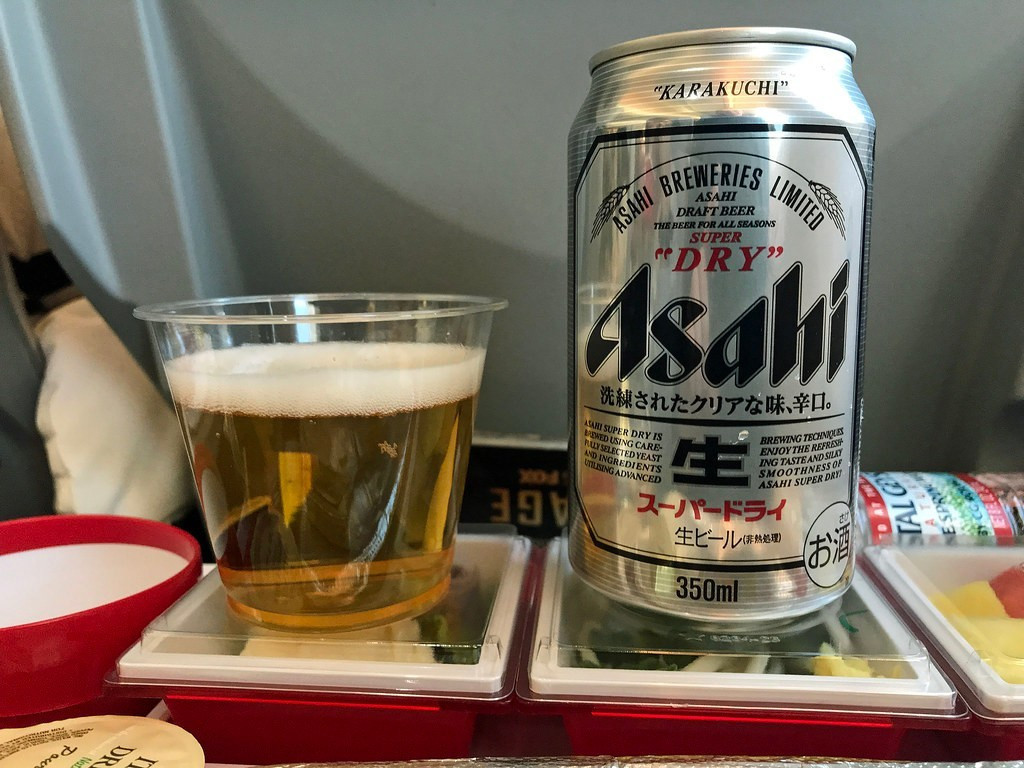
Asahi Group Holdings, one of Japan’s biggest beverage producers, has suspended production across its domestic factories following a severe cyberattack that knocked out its systems and forced it to stop orders, shipments, and call-center operations. Although the company insists there’s no confirmed customer data leak so far, it has no clear timeline for restoring operations or assessing full damage across its 30 Japanese plants. Reuters reports that Asahi “cannot foresee when production will resume,” pointing to deep operational disruptions. Another account emphasizes that the attack appears localized to Japan, leaving Asahi’s overseas operations — including brands like Peroni, Grolsch, and Fuller’s — unaffected so far. TechRadar further underscores that the stoppage includes suspension of order and shipment capabilities as well as shutdowns in call centers.
Key Takeaways
– The cyberattack has forced a broad operational halt within Asahi’s Japanese network — stopping production, order processing, shipping, and customer service functions.
– No confirmed breach of personal or customer data has yet been detected, though investigations are ongoing and the full extent of the incident remains unclear.
– The disruption is confined (so far) to domestic Japanese operations, and Asahi’s international business lines report minimal or no immediate impact.
In-Depth
When a company like Asahi — with deep roots in Japan’s brewing and beverage industry — is brought to a standstill by a cyberattack, it underscores a harsh truth: the integration of digital systems and manufacturing processes has given malicious actors a more potent access vector than ever before. In an era when factories, logistics systems, and customer interfaces are increasingly networked, operational vulnerabilities can be just as damaging — if not more so — than classic data breaches.
The sequence of events, according to public disclosures, began with what Asahi described as a “system failure” attributable to a cyberattack. From that point, it suspended key business operations: orders could not be taken, shipments could not go out, and its call centers and customer service arms were taken offline. The scale is significant: Asahi operates around 30 plants in Japan, and while it’s not yet confirmed that all were afflicted, the disruption spans a large segment of its domestic footprint.
One relief, for now, is that Asahi says it has found no evidence of leaked customer or employee personal data. But in these incidents, that status can shift as investigations deepen. The absence of immediate evidence doesn’t guarantee safety; malicious actors might still be lying dormant, or steganographically extracting data slowly over time. Incident response teams at Asahi will likely be under heavy pressure to validate system integrity, conduct forensic analyses, and ensure that recovery doesn’t reopen avenues for further intrusion.
From a strategic standpoint, Asahi’s global operations may provide some buffer. Brands under its umbrella — like Peroni, Grolsch, and Fuller’s — are reportedly insulated (for now) from the domestic chaos. Still, the disruption in its core Japanese operations carries serious cost implications. Lost production, delayed orders, strained relationships with distributors, and reputation damage all matter. Competitors will likely scramble to fill any gaps in supply, and resellers depending on Asahi’s output may seek alternate sources until certainty returns.
The broader industry lens cannot be ignored. 2025 has seen a string of major operational cyberattacks — from automakers to retailers. The Asahi case reinforces the evolving playbook of cybercriminals: they’re targeting not just data repositories, but the pipelines of physical goods and supply chains. For manufacturers and consumer goods businesses, this means that cybersecurity strategies must extend far beyond firewalls and encryption — they must encompass operational resilience, network segmentation, redundancies, and robust incident recovery protocols.
In short, Asahi’s nightmare may serve as a wake-up call. In the interconnected world, a vulnerability in one node can cascade across production lines, delivery networks, and consumer confidence. The company’s ability to rebound — not simply by restoring IT systems, but by rebuilding trust, ensuring continuity, and hardening defenses — will test its agility and resilience.