

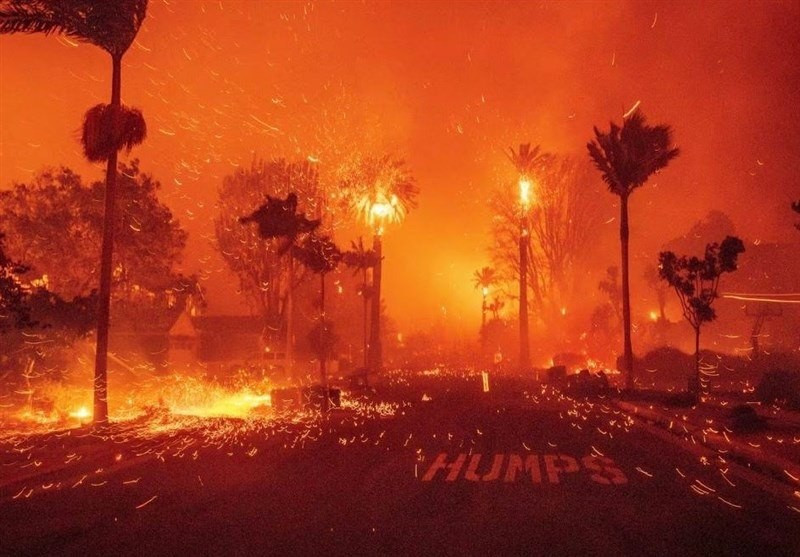
A recent investigation spearheaded by Nicholas Spada and collaborators uncovered that the January 2025 Los Angeles wildfires generated a surprising level of ultrafine (“nanoparticle-scale”) toxic metals that entered the air, raising alarm over long-term health risks. Spada, one of the few researchers globally with expertise in proton-induced x-ray emission analyses, deployed special air samplers in neighborhoods downwind of the Palisades and Eaton fires to track inhalable particles under 0.1 micrometers containing metals like lead, titanium, copper, and in some cases hexavalent chromium and silver. These particles, because of their size, can penetrate deeply into the lungs and cross into other tissues. Meanwhile, other scientists studying soil, dust, and air in the broader burn zones detected mobile heavy metals and pollutants even in homes not directly burned, suggesting the toxic footprint extends beyond visible fire damage. This emerging picture raises serious questions about whether air quality standards and cleanup protocols are sufficient to protect public health from the lingering, invisible hazards created by urban wildfires.
Sources: UCLA Newsroom, Wired
Key Takeaways
– Researchers found abundant ultrafine metal particles (below 0.1 micrometers) in the air following the L.A. fires—these particles are small enough to bypass many natural defense systems in the lungs and potentially enter organs.
– The metal composition of these particles (lead, titanium, copper, chromium, silver) suggests the fires transformed building materials, electronics, and household goods into airborne toxins—not just burning vegetation.
– Evidence from complementary studies shows contamination of soil, dust, and indoor air in areas not directly burned, indicating the hazard zone extends beyond the immediate fire footprint and raising questions about existing standards and cleanup practices.
In-Depth
When a wildfire rages through a largely undeveloped forest, we tend to think in terms of smoke, ash, and carbon emissions. But when the fuel is urban infrastructure—homes, wiring, plastics, metals—the chemistry changes drastically. That’s precisely what Nicholas Spada sought to understand after the January 2025 L.A. fires. Employing specialized instruments developed at UC Davis, Spada installed “DRUM” samplers (Davis Rotating Unit for Monitoring) across neighborhoods downwind of the Palisades and Eaton fires. These samplers sort airborne particles by size, capturing material down to 0.09 micrometers, a realm far below what typical air monitors measure. His team then analyzed the filters using proton-induced x-ray emission to fingerprint metal elements present in the smoke.
The results were unsettling: levels of lead, titanium, copper, and other elements spiked during the active fire period at multiple monitoring sites. Some of these elements appeared disproportionately in the smallest particles—the ones most capable of penetrating deep into lung tissue or entering the bloodstream. These findings suggest that when a house burns, the metal components within it don’t just disappear—they get reprocessed by fire into ultrafine particles that can travel through air and dwell in human bodies.
To build a fuller picture, Spada’s work aligns with other postfire research. Scientists measuring soil, dust, surface runoff, and indoor air in the burn zone observed elevated heavy metals and contaminants even in homes untouched by the flames. For example, UCLA researchers showed that silver nanoparticles and hexavalent chromium were present in cleanup zones around Palisades and Altadena. These metals are known for their toxicity—hexavalent chromium, in particular, long notorious as a potential carcinogen. The broader implication is that the fire’s toxic impact extends beyond charred homes and may distribute invisible risk over broader areas.
What emerges is a warning sign: existing air quality standards, which focus largely on coarse particles and certain regulated chemicals, may not adequately address the danger posed by ultrafine metal particles from urban wildfires. The cleanup and public health response must evolve alongside the changing nature of fire emissions—and communities must reckon with hazards that lie hidden behind smoke and ash.