

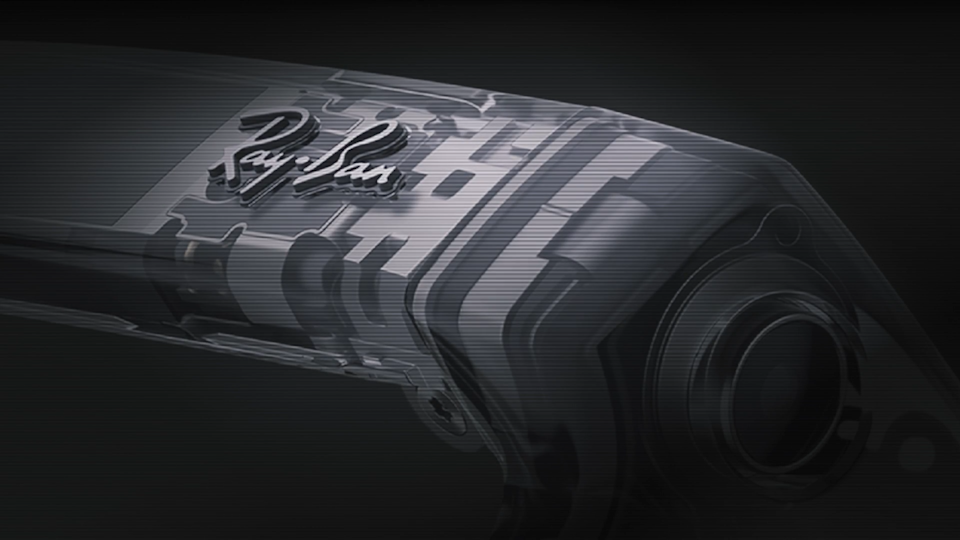
Meta is gearing up to unveil its next generation of smart glasses—internally called “Hypernova,” expected to launch under the name Celeste—at the Meta Connect event, with a built-in display in one lens and a weightier price point near US$800. These specs would mark the company’s first consumer AR/AI glasses with a digital display, going beyond its existing Ray-Ban and Oakley lines that rely on cameras, livestreaming, and AI features without a full heads-up display. The new model is rumored to ship with a gesture-control wristband (sEMG wristband) for inputs, improved battery life, and a more premium physical design. Though Meta has invested heavily in AR/AI, analysts caution the high cost and bulkier build may limit mass adoption; Meta still trails in pushing fully immersive AR hardware.
Sources: Business Insider, The Verge, Reuters
Key Takeaways
– Display & Features Upgrade: The upcoming model Celeste (aka Hypernova) is expected to include a digital display in one lens, along with gesture-control via a wristband and other premium design upgrades.
– Price and Market Positioning Risks: At ~$800, this is a substantial step up from Meta’s previous smart glasses; while aiming for high-end appeal, that pricing and bulk may limit broader appeal.
– Competitive Landscape & Meta’s Strategy: Meta’s push further into AR/AI wearables is part of a larger strategy where fashion branding (Ray-Ban, Oakley), hardware innovation, and third-party developer support are key. Meta faces competition from companies like Amazon and Google also moving into AR smart glasses.
In-Depth
Meta is doubling down on wearable augmented reality in a big way, preparing to roll out its most advanced smart glasses yet at the 2025 Meta Connect event. The upcoming product, codenamed Hypernova and expected to reach consumers under the name Celeste, is believed to include a waveguide display embedded in one lens, elevating it from past models into a higher-end AR/AI item rather than just camera/audio integrated eyewear. In addition, a gesture-control wristband is rumored to accompany the glasses, giving users control via subtle motions rather than full-touch controllers or voice alone.
Cost is rising commensurately. Whereas earlier models from Meta, such as its Ray-Ban and Oakley smart glasses, began around the $299–$399 range, Celeste is anticipated to carry a price tag of about $800, placing it in the premium tech wearables category. This implies Meta is targeting enthusiasts, early adopters, and those willing to pay more for a blend of style, fashion, and cutting-edge AR features rather than mass market penetration from day one.
From a strategic standpoint, this move signals Meta’s intent to leap forward in the AI/AR wearable space, making hardware that leans more heavily on mixed reality display tech. Meta has invested tens of billions into its augmented reality efforts over recent years in hopes of establishing dominance in what many believe is the next major computing platform. The company is also opening up to third-party developers, following leaks and previews that suggest more sophisticated software and apps will be supported. That said, the higher price, expected bulkier form, and trade-offs in battery life and design may limit adoption to niche markets initially.
It’s a gamble: can Meta balance ambition with usability and cost, especially as competitors like Amazon, Google, and others are accelerating their own AR-glasses roadmaps? For many consumers, whether these glasses deliver enough real utility beyond novelty will decide if Celeste is a prestige item or a breakthrough.